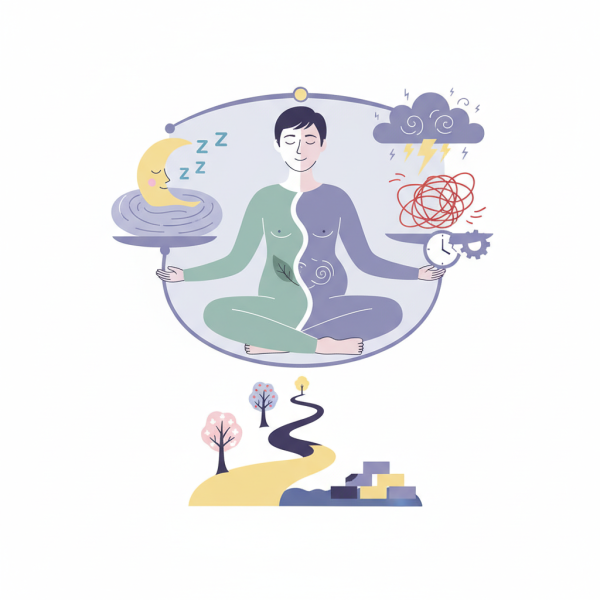
How Stress and Sleep Shape Your Health and Weight
- -->> 11. How Stress and Sleep Shape Your Health and Weight
What you'll learn
 Stress-Sleep ConnectionWeight and Metabolic HealthBroader Health ImpactsManagement Strategies
In the intricate dance of human health, stress and sleep are often overlooked yet profoundly interconnected partners. Their synergy, or lack thereof, ripples through every aspect of our well-being, most notably impacting our physical health and weight management. Understanding this crucial relationship is the first step towards achieving a balanced and healthier life. This article explores the deep ties between chronic stress, inadequate sleep, and their combined effect on our metabolic health, body weight, and overall vitality, offering insights into effective management strategies.
The Vicious Cycle: Stress and Sleep Deprivation
The human body is remarkably resilient, but chronic stress can push its systems to their limits. When stressed, our adrenal glands release cortisol, often dubbed the 'stress hormone.' While essential for fight-or-flight responses, prolonged elevation of cortisol disrupts numerous bodily functions, including sleep patterns. Stress can make it difficult to fall asleep, lead to fragmented sleep, and reduce the quality of restorative deep sleep.
Conversely, insufficient sleep itself acts as a stressor on the body. It elevates cortisol levels, creating a vicious cycle where stress impedes sleep, and lack of sleep exacerbates stress. This continuous loop primes the body for a cascade of negative health outcomes, making it challenging to maintain balance and optimal functioning throughout the day and night.
Weight Management: The Unseen Battleground
The connection between stress, sleep, and weight is more direct than many realize. Chronic stress and sleep deprivation both contribute significantly to weight gain and make weight loss efforts challenging. Elevated cortisol, a consequence of stress and poor sleep, signals the body to store fat, particularly visceral fat around the abdomen, which is metabolically active and highly detrimental to health.
Beyond fat storage, poor sleep and stress interfere with appetite-regulating hormones. Sleep deprivation decreases leptin, the hormone that signals fullness, and increases ghrelin, the hormone that stimulates hunger. This hormonal imbalance leads to increased cravings for high-calorie, high-sugar foods, making overeating more likely. The energy deficit from lack of sleep also reduces motivation for physical activity, further hindering weight management goals. The body, perceiving a state of emergency, conserves energy and stores calories more readily.
Broader Health Implications
The ramifications of chronic stress and insufficient sleep extend far beyond weight fluctuations. Their persistent presence can undermine nearly every bodily system. The cardiovascular system is particularly vulnerable, with increased risks of high blood pressure, heart disease, and stroke. Chronic inflammation, a known contributor to many diseases, is also exacerbated by both stress and poor sleep.
Metabolic health suffers significantly. Insulin resistance, a precursor to type 2 diabetes, becomes more prevalent. The immune system weakens, leaving the body more susceptible to infections and slower to recover. Mental health is also deeply affected; anxiety, depression, irritability, and impaired cognitive function are common consequences. This holistic decline in health underscores the critical importance of addressing both stress and sleep proactively.
Strategies for a Restful and Balanced Life
Breaking the cycle of stress and sleep deprivation requires intentional effort and a multi-faceted approach. Integrating effective stress management techniques and prioritizing sleep can profoundly transform your health.
Stress Management Techniques:
- Mindfulness and Meditation: Regular practice can lower cortisol levels and improve emotional regulation.
- Physical Activity: Engaging in moderate exercise daily helps burn off stress hormones and improves sleep quality, but avoid intense workouts close to bedtime.
- Time Management: Organizing tasks and setting realistic expectations can reduce feelings of overwhelm.
- Deep Breathing Exercises: Simple breathing techniques can calm the nervous system quickly.
- Connecting with Nature: Spending time outdoors has been shown to reduce stress and improve mood.
Sleep Hygiene Practices:
- Consistent Sleep Schedule: Go to bed and wake up at the same time every day, even on weekends, to regulate your body's natural sleep-wake cycle.
- Create a Relaxing Bedtime Routine: This could include a warm bath, reading a book, or gentle stretching.
- Optimize Your Sleep Environment: Ensure your bedroom is dark, quiet, cool, and comfortable.
- Limit Screen Time Before Bed: The blue light emitted from devices can interfere with melatonin production.
- Avoid Caffeine and Heavy Meals Late in the Day: These can disrupt sleep patterns and cause discomfort.
Prioritizing both stress reduction and quality sleep is not a luxury but a fundamental pillar of good health. It empowers the body to restore, repair, and thrive, paving the way for sustainable weight management and overall vitality.
Summary
The profound interconnections between chronic stress, inadequate sleep, and their downstream effects on weight and overall health are undeniable. Elevated cortisol from stress and sleep deprivation directly contributes to fat storage, disrupts appetite hormones, and weakens metabolic and immune functions. By actively managing stress through mindfulness, exercise, and effective time management, and by prioritizing consistent, quality sleep through good hygiene practices, individuals can break detrimental cycles, foster a healthier body composition, and enhance their long-term well-being.
Comprehension questions
 What role does cortisol play in the vicious cycle between stress and sleep deprivation?How do chronic stress and poor sleep collectively impact appetite-regulating hormones and contribute to weight gain?Besides weight fluctuations, what are some broader health implications of persistent stress and insufficient sleep?Name two distinct stress management techniques and two sleep hygiene practices mentioned in the article.
Review Quiz
Next Lesson

Course Contents : Healthier Eating and Sustainable Weight Loss
- >> 11.
 How Stress and Sleep Shape Your Health and Weight