
What you'll learn
 Understanding Evaporative CoolingTechniques for Overcoming The StallPros and Cons of Wrapping MeatAchieving Tender Smoked Meats
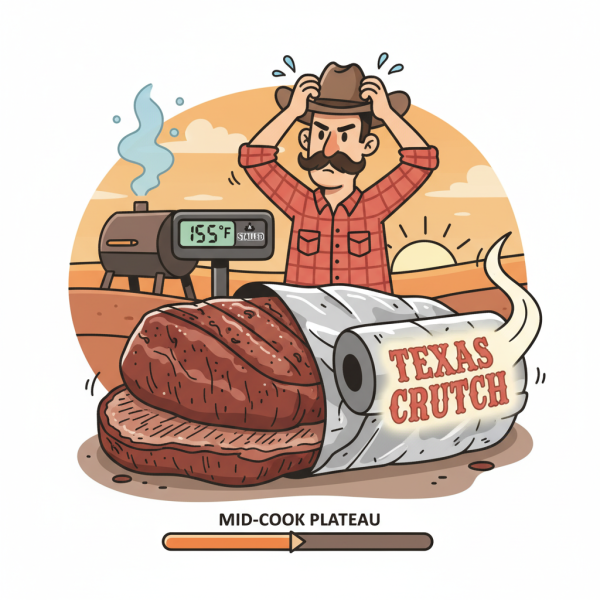
There's a moment in every serious outdoor cook's journey, especially those dedicated to the low-and-slow art of BBQ and smoking, when frustration can creep in. You've diligently maintained your smoker's temperature, the aromas are incredible, and your meat is steadily climbing towards its target internal temperature. Then, inexplicably, it stops. The thermometer needle seems stuck, hovering stubbornly in the 150-165°F range, refusing to budge for hours. This perplexing phenomenon is known as "The Stall," a rite of passage for many pitmasters. It can extend cook times dramatically and test the patience of even the most seasoned BBQ enthusiast. But fear not, for understanding the science behind The Stall and mastering techniques like the "Texas Crutch" will empower you to push through this challenging plateau and consistently achieve succulent, perfectly cooked results.
Understanding The Stall: The Scientific Explanation
The Stall isn't a sign of a faulty thermometer or a dying smoker fire; it's a natural scientific process at play. As large cuts of meat, like briskets, pork butts, or ribs, cook at low temperatures, moisture within the meat begins to evaporate from the surface. This evaporation is a cooling process, much like how sweat cools your body on a hot day. While the internal temperature of the meat is rising due to the heat from your smoker, the evaporative cooling effect simultaneously works to cool the surface, preventing the core temperature from increasing.
Think of it this way: your smoker is constantly adding heat, but the evaporating moisture is constantly carrying heat away. At a certain point, usually between 150°F and 165°F for most large cuts, the rate of evaporative cooling equals the rate of heat absorption. This equilibrium causes the internal temperature to plateau. This is why the thermometer seems stuck – it's not truly stuck, but rather the net gain in temperature has slowed to a crawl, or even temporarily halted.
It's important to differentiate The Stall from other processes happening simultaneously, such as the breakdown of tough connective tissues like collagen into gelatin, which also occurs in this temperature range. While collagen breakdown is a key factor in tenderizing the meat, The Stall itself is primarily an evaporative cooling phenomenon.
The Pitmaster's Frustration: When Patience Wears Thin
For outdoor cooks, especially those with hungry friends and family eagerly awaiting the fruits of their labor, The Stall can be a major source of anxiety. What was planned as an 8-hour cook can easily stretch into 12, 14, or even 16 hours if left unchecked. This extended cooking time not only throws off meal schedules but can also lead to concern about the meat drying out if exposed to direct smoke and heat for too long in its unwrapped state. While the low and slow method is designed to keep meat moist, a prolonged stall can push the boundaries.
Many novice pitmasters make the mistake of cranking up the smoker temperature to try and "power through" the stall. This often backfires, leading to an overcooked exterior, a tough interior, and potentially drying out the meat before the connective tissues have had enough time to properly render. Understanding that The Stall is a normal part of the process, rather than an obstacle to be brute-forced, is the first step towards mastering it.
Enter The Texas Crutch: Your Secret Weapon Against The Stall
The "Texas Crutch" is a technique beloved by many BBQ enthusiasts for its effectiveness in navigating The Stall. Simply put, it involves wrapping your meat tightly in heavy-duty aluminum foil (or sometimes butcher paper) once it hits the stall temperature range. This seemingly simple act fundamentally changes the thermodynamics of your cook.
When you wrap the meat, you effectively create a barrier that traps the moisture evaporating from its surface. With the moisture contained, evaporative cooling is significantly reduced, or even halted entirely. This allows the heat from the smoker to continue its work unimpeded, causing the internal temperature of the meat to rise much more rapidly. The crutch accelerates the cooking process, allowing you to push past the stall and reach your target temperature in a more predictable timeframe.
Deploying the Crutch: A Step-by-Step Guide
Knowing when and how to deploy the Texas Crutch is crucial for its success. Here's a typical approach:
- Monitor Temperature Closely: Once your meat approaches the 150-165°F internal temperature range, keep a watchful eye. This is when The Stall typically begins.
- Prepare Your Wrap: Have several sheets of heavy-duty aluminum foil ready. For large cuts like brisket, you might need two or three sheets layered or overlapped to ensure a tight, secure wrap. Butcher paper is another excellent option, offering a slightly more breathable wrap that can preserve bark better.
- Remove and Wrap: Carefully remove the meat from your smoker. Place it onto your prepared foil or butcher paper. Wrap it tightly, ensuring there are no gaps where steam can easily escape. The goal is to create a sealed environment.
- Return to Heat: Place the wrapped meat back into your smoker, or even a preheated oven set to your target smoker temperature (around 225-275°F). At this point, smoke penetration has largely ceased, so using an oven won't significantly impact flavor and can free up your smoker for other items.
- Continue Cooking: Monitor the internal temperature until your meat reaches its final target temperature (e.g., 200-205°F for brisket or pork shoulder). The temperature will climb much faster now.
- Rest: Once at target temperature, remove the wrapped meat and let it rest for at least an hour, or even several hours for large cuts, in an insulated cooler. This allows the juices to redistribute, resulting in a more tender and moist product. Do not unwrap until just before serving.
Pros and Cons of the Texas Crutch
While the Texas Crutch is an incredibly useful tool, it's not without its trade-offs. Understanding these can help you decide when it's the right choice for your cook.
Advantages:
- Accelerated Cook Time: The most significant benefit is drastically reducing the overall cooking time, making it easier to hit meal deadlines.
- Increased Moisture: By trapping evaporating moisture, the crutch often results in a noticeably juicier final product.
- Consistent Results: It helps ensure the internal temperature continues to rise steadily, providing more predictable outcomes.
- Temperature Management: Can simplify the later stages of a long cook by reducing the need for constant smoker adjustments.
Disadvantages:
- Softer Bark: The trapped moisture can soften the coveted crispy bark that develops on the meat's surface during the unwrapped phase. This is often the biggest complaint from purists.
- "Pot Roast" Effect: Some argue that wrapping too early or for too long can give the meat a "stewed" or "pot roast" flavor profile, diminishing the distinct smoky characteristics.
- Loss of Smoke Penetration: Once wrapped, the meat will no longer absorb additional smoke flavor. This means you need to ensure ample smoke exposure during the initial unwrapped phase.
Beyond the Crutch: Patience and Practice
While the Texas Crutch is a powerful technique, it's important to remember that it's just one tool in the pitmaster's arsenal. Some BBQ purists choose to "power through" The Stall naturally, preferring the intensely crispy bark and unadulterated smoky flavor that comes from an entirely unwrapped cook. This method requires significantly more time and patience but can yield truly exceptional results for those willing to wait.
Ultimately, the choice to crutch or not to crutch often comes down to personal preference, the specific cut of meat, and the desired outcome. Experimentation is key. Try both methods with similar cuts and see which results you prefer. The more you cook outdoors, the more intuitive you'll become with your smoker and the unique characteristics of different meats.
Summary
The Stall is a common, often frustrating, evaporative cooling phenomenon that causes meat temperatures to plateau during low-and-slow cooking. It occurs when the rate of moisture evaporation from the meat's surface equals the rate of heat absorption, typically between 150-165°F. The "Texas Crutch," which involves wrapping the meat in foil or butcher paper, effectively combats this by trapping moisture, eliminating evaporative cooling, and allowing the internal temperature to rise more quickly. While the crutch offers benefits like faster cook times and increased moisture, it can compromise bark crispness. Understanding the science and choosing the right technique for your desired outcome are key to achieving consistently tender, flavorful BBQ, whether you opt to crutch or embrace the slow power through.
