Balanced Nutrition and Lasting Satisfaction
- -->> 7. Balanced Nutrition and Lasting Satisfaction
What you'll learn
 Macronutrient EssentialsProtein PowerCarbohydrate ChoicesBeneficial Fats
Building a truly balanced plate is a fundamental step towards achieving optimal health, sustained energy, and genuine meal satisfaction. It moves beyond simply counting calories, focusing instead on the quality and combination of essential macronutrients: proteins, healthy fats, and complex carbohydrates. Understanding how these components interact and fuel your body allows you to make informed dietary choices that support your well-being, manage weight effectively, and enhance daily performance. This guide will help you unlock the power of intentional eating, transforming your meals into a powerful tool for better health.
The Foundation: Understanding Macronutrients
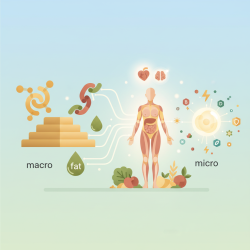
Our bodies require three main macronutrients to function: proteins, carbohydrates, and fats. Each plays distinct yet interconnected roles, and a deficiency or excess of any can impact your health. Proteins are crucial for building and repairing tissues. Carbohydrates are the body's primary source of energy. Fats are essential for hormone production, nutrient absorption, and cell function. A balanced plate ensures you get adequate amounts of each, in appropriate proportions, to support all bodily processes.
Building Blocks: Proteins Explained
Proteins are often called the building blocks of life. They are vital for repairing cells, making enzymes and hormones, and building muscle and bone. Including adequate protein in every meal helps you feel full and satisfied, which can prevent overeating. For most adults, aiming for a palm-sized portion of protein at each main meal is a good general guideline.
Excellent sources of protein include:
- Lean meats such as chicken breast, turkey, and lean beef
- Fish and seafood, particularly fatty fish like salmon, mackerel, and sardines
- Eggs, a complete protein source
- Legumes, including lentils, chickpeas, and black beans
- Plant-based options like tofu, tempeh, and edamame
- Dairy products such as Greek yogurt and cottage cheese
Varying your protein sources ensures you receive a wide spectrum of amino acids and other beneficial nutrients.
Fueling Your Body: The Role of Complex Carbohydrates
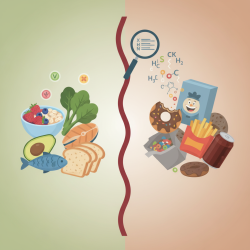
Carbohydrates are the body's preferred energy source. However, not all carbohydrates are created equal. Complex carbohydrates, rich in fiber, are digested slowly, providing a steady release of glucose into the bloodstream. This helps maintain stable blood sugar levels, preventing energy crashes and promoting sustained vitality. Simple carbohydrates, found in sugary drinks, white bread, and pastries, cause rapid spikes and drops in blood sugar and should be consumed sparingly.
Focus on incorporating these complex carbohydrate sources:
- Whole grains like oats, brown rice, quinoa, and whole-wheat bread
- Starchy vegetables such as sweet potatoes, butternut squash, and corn
- Non-starchy vegetables like broccoli, spinach, bell peppers, and green beans
- Legumes, which also double as a protein source
- Fruits, which provide natural sugars along with fiber, vitamins, and antioxidants
The fiber content in complex carbohydrates also supports digestive health and can contribute to a feeling of fullness.
Essential Nutrients: Healthy Fats for Well-being
Despite past misconceptions, fats are not the enemy; healthy fats are crucial for overall health. They are vital for absorbing fat-soluble vitamins (A, D, E, K), insulating organs, and maintaining cell membranes. Healthy fats also play a significant role in hormone production and brain function. Furthermore, they contribute significantly to satiety, helping you feel satisfied after meals.
Integrate these healthy fat sources into your diet:
- Avocados, rich in monounsaturated fats
- Nuts (almonds, walnuts, pecans) and seeds (chia, flax, pumpkin), which also offer fiber and protein
- Olive oil, a staple of the Mediterranean diet
- Fatty fish like salmon and mackerel, providing omega-3 fatty acids
- Nut butters (peanut, almond) without added sugars
While healthy fats are beneficial, they are also calorie-dense, so portion control remains important.
The Art of Combining: Creating a Balanced Plate
Putting it all together involves mindful plate construction. A simple visual guide can help you achieve balance at each meal. Imagine your plate divided:
- Half your plate: Fill with non-starchy vegetables. These are low in calories but high in nutrients and fiber.
- One-quarter of your plate: Dedicate to lean protein.
- The remaining quarter: Occupy with complex carbohydrates.
- Add a small portion of healthy fats: This could be a drizzle of olive oil, a few slices of avocado, or a sprinkle of seeds.
This approach ensures a rich supply of vitamins, minerals, fiber, and the right macronutrient balance to sustain energy and promote health without strict calorie counting.
Practical Tips for Plate Building
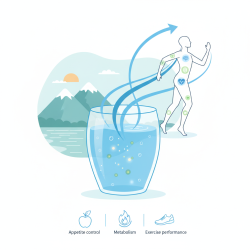
Building a balanced plate doesn't have to be complicated. Start small and make gradual changes. Prioritize whole, unprocessed foods whenever possible. Embrace a variety of colors in your vegetables and fruits to ensure a broad spectrum of nutrients. Meal planning can be incredibly helpful for ensuring balanced meals throughout the week. Prep ingredients ahead of time to make healthy eating convenient. Listen to your body's hunger and fullness cues, and remember that consistency, not perfection, is the key to long-term success. Stay hydrated by drinking plenty of water throughout the day, as this also plays a role in satiety and overall bodily function.
Summary
In summary, building a balanced plate is an empowering approach to nutrition that prioritizes quality over quantity. By consciously combining lean proteins for muscle repair and satiety, complex carbohydrates for sustained energy, and healthy fats for vital bodily functions, you can create meals that are not only nutritious but also deeply satisfying. This holistic method supports stable energy levels, weight management, and overall well-being, transforming your relationship with food into a positive and health-promoting practice.
Comprehension questions
 What are the three main macronutrients discussed in the article, and what is the primary role of each?Why are complex carbohydrates preferred over simple carbohydrates for sustained energy?List three examples of healthy fat sources mentioned and explain why they are important for the body.According to the article, what is a simple visual guide for proportioning your plate for a balanced meal?
Review Quiz
Next Lesson

Course Contents : Healthier Eating and Sustainable Weight Loss
- >> 7.
 Balanced Nutrition and Lasting Satisfaction