
Perfecting the Reverse Sear for Savory Steaks
What you'll learn
 The Science of Reverse SearingBest Steaks for Reverse SearingEssential Tools for GrillingStep-by-Step Reverse Sear Guide
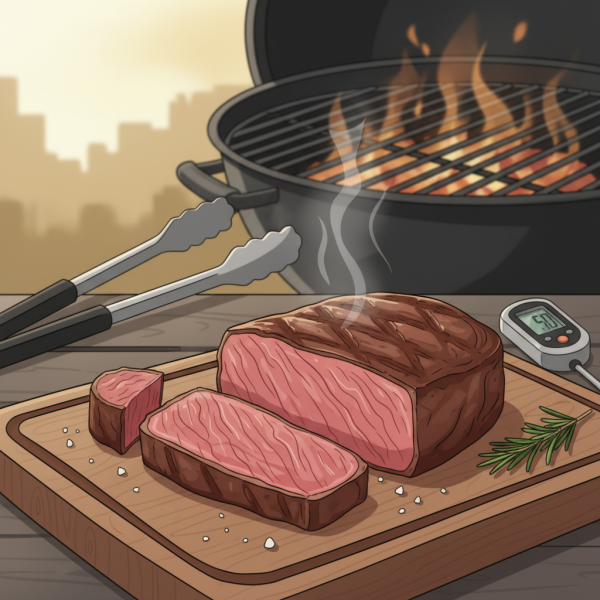
For any outdoor cooking aficionado, the pursuit of the perfect steak is a lifelong journey. We've all been there: a beautiful, thick cut of prime beef, sizzling on the grates, only to be sliced open later, revealing a well-done gray band surrounding a small pink center. It’s a culinary heartbreak. But what if there was a method that promised an impeccable edge-to-edge medium-rare, crowned with a rich, crusty sear, all while enjoying the fresh air of your backyard? Enter reverse searing, a technique that has revolutionized how pitmasters and grill masters approach thick cuts, ensuring every bite is a testament to perfectly cooked meat.
The Science of Why Reverse Searing Wins
Traditional steak cooking often involves a high-heat sear upfront, followed by lower heat to finish, or direct high heat throughout. While effective for thinner cuts, this approach can lead to uneven cooking in thicker steaks, where the outside cooks much faster than the inside, creating that undesirable gray ring. Reverse searing flips this script, starting the steak at a low, gentle temperature and finishing with a blazing hot sear.
This low-and-slow initial phase allows the heat to penetrate the meat gradually and evenly. The muscle fibers relax, moisture is retained, and the internal temperature rises slowly across the entire steak. This process minimizes the temperature gradient from the exterior to the interior, setting the stage for uniform doneness. When the steak then hits the screaming-hot surface, its exterior quickly caramelizes and forms a crust, without significantly raising the already perfected internal temperature.
The Perfect Steak for Reverse Searing
Not all steaks are created equal when it comes to reverse searing. This method truly shines with thicker cuts, typically 1.5 inches or more. Thin steaks simply won't benefit as much from the extended low-heat phase and risk drying out.
- Ribeye: Known for its generous marbling, which renders beautifully with reverse searing, adding incredible juiciness and flavor.
- New York Strip: A classic for good reason, offering a great balance of tenderness and beefy flavor.
- Porterhouse/T-Bone: These cuts give you the best of both worlds – a tenderloin and a strip – both benefiting immensely from even cooking.
- Tomahawk: The ultimate showstopper, its thickness and bone-in nature are perfectly suited for the reverse sear method.
Regardless of the cut, always pat your steak thoroughly dry with paper towels before seasoning. Moisture on the surface inhibits crust formation. Season generously with kosher salt and freshly cracked black pepper. Some prefer to add a simple rub, but quality beef needs little adornment.
Essential Tools for the Outdoor Cook
To master the reverse sear in your outdoor domain, a few key pieces of equipment are non-negotiable. These tools ensure accuracy and precision, transforming guesswork into repeatable success.
- Reliable Temperature Probe: A leave-in probe thermometer is paramount. It allows you to monitor the steak's internal temperature without repeatedly opening your grill or smoker, which causes heat fluctuations. Look for one with a digital display and an alarm function.
- Grill or Smoker Capable of Indirect Heat:
- Charcoal Grill: Set up a two-zone fire, with coals on one side and an empty space on the other.
- Gas Grill: Ignite burners on one side and place the steak on the unlit side.
- Pellet Smoker: Simply set your desired low temperature.
- Cast Iron Skillet or Griddle: For the final high-heat sear. Cast iron retains heat exceptionally well, providing an even, consistent surface for that perfect crust. Alternatively, a searing burner on your gas grill or direct contact over screaming hot coals works just as effectively.
- Heat-Resistant Gloves and Long Tongs: For safe handling of hot grates and steak.
A Step-by-Step Guide to the Reverse Sear
This is where the magic happens. Patience is a virtue, especially in the initial stages.
Phase 1: The Low and Slow Cook
- Preheat Your Grill/Smoker: Set your outdoor cooking apparatus to a stable temperature between 225-275°F (107-135°C). The goal here is gentle, even heat.
- Position the Steak: Place your seasoned, room-temperature steak on the indirect heat side of your grill or in your smoker. Insert your temperature probe into the thickest part of the meat, avoiding any bone.
- Cook to Target Temperature: Slowly cook the steak until its internal temperature reaches 10-15°F (5-8°C) below your desired final doneness. For medium-rare, this means pulling it off around 115-120°F (46-49°C). This can take anywhere from 45 minutes to 1.5 hours, depending on thickness and your grill's stability. Resist the urge to constantly check or flip the steak.
- Remove and Rest: Once the target temperature is reached, remove the steak from the grill/smoker and place it on a cutting board or wire rack. Let it rest uncovered for 10-15 minutes. This crucial rest allows the carryover cooking to occur (raising the temperature a few more degrees) and for juices to redistribute, ensuring a tender, moist steak.
Phase 2: The High-Heat Finish
- Prepare for Searing: While the steak is resting, crank up your grill to its highest setting, or place your cast iron skillet over direct high heat on your grill or side burner. Get it screaming hot. Add a tablespoon of high smoke point oil (like grapeseed, avocado, or canola) to the skillet if using one.
- Sear the Steak: Once the pan or grill grates are smoking hot, carefully place the steak onto the searing surface. Sear for 60-90 seconds per side, until a deep, crusty, dark brown bark forms. Don't be afraid of the smoke and sizzle; that's flavor developing.
- Optional Flavor Boost: During the last 30 seconds of searing each side, you can add a knob of butter, a crushed garlic clove, and a sprig of rosemary or thyme to the pan. Tilt the pan and spoon the melted, aromatic butter over the steak repeatedly. This basting adds incredible depth of flavor.
- Sear the Edges: If your steak is particularly thick, use your tongs to hold it on its sides and sear the edges for 30-60 seconds each, until nicely browned.
Phase 3: Final Rest and Serve
- Final Rest: After searing, remove the steak from the heat and let it rest on a clean cutting board for another 5 minutes. This allows the exterior to relax and any last bit of juice to settle.
- Slice and Enjoy: Slice the steak against the grain into thick, succulent pieces. Behold the perfect edge-to-edge pinkness and enjoy the fruits of your patience and technique.
Troubleshooting Common Reverse Sear Challenges
- No Good Crust: Ensure your steak is thoroughly dry before seasoning and searing. Also, your searing surface might not be hot enough. Let that cast iron get blistering hot.
- Overcooked Interior: You likely pulled the steak from the low-heat phase too late. Remember, carryover cooking will add a few degrees. Pull it earlier next time.
- Uneven Cooking: This could be due to uneven heat distribution in your grill during the low-and-slow phase, or inconsistent thickness of the steak itself. Try rotating the steak halfway through the initial cook.
Final Thoughts
Reverse searing is a game-changer for thick steaks, particularly for those who love the art of outdoor cooking. By starting low and slow, then finishing with an intense, blazing sear, you achieve an unparalleled level of even doneness from edge to edge, combined with a flavor-packed, crispy crust. The process requires a good temperature probe and a bit of patience, but the result is a consistently perfect steak that will impress even the most discerning palate, making every outdoor cooking experience a triumph.
Comprehension questions
 What makes reverse searing a superior method for cooking thick steaks compared to traditional methods?Which types of steak cuts are best suited for the reverse searing technique, and why?What are the essential tools required to successfully execute the reverse sear method in an outdoor cooking environment?Describe the two main phases of the reverse searing journey and the key steps involved in each.