
What you'll learn
 Collagen to Gelatin ConversionIdeal Smoking Temperature (225°F)The Importance of Patience in BBQBark Development and Moisture Retention
Introduction to Low and Slow Mastery
There's a sacred ritual in outdoor cooking, a patient art form that transforms humble cuts of meat into succulent, fall-off-the-bone masterpieces. This isn't about rushing; it's about reverence for the process, a deep understanding of what happens when meat meets consistent, gentle heat over many hours. For countless BBQ enthusiasts, one temperature stands out as the ultimate sweet spot, the gold standard for achieving unparalleled tenderness and flavor: 225°F. This seemingly unassuming number isn't arbitrary; it's rooted in fundamental biological processes that unlock the true potential of tougher cuts, making them sing with smoky goodness. Mastering the low and slow method, particularly at this critical temperature, is the cornerstone of exceptional barbecue, a journey where patience isn't just a virtue but the most crucial ingredient in your arsenal.
The Culinary Science of Connective Tissue
Before we dive into the magic temperature, it's vital to understand the adversary: collagen. Collagen is a structural protein, a key component of connective tissues found throughout an animal's body. In cuts like brisket, pork shoulder, or ribs, collagen is abundant. It's what makes raw meat tough and chewy. Imagine tiny, stiff ropes binding muscle fibers together; that's collagen at work. When you cook meat quickly at high temperatures, this collagen contracts and squeezes out moisture, making the meat even tougher and drier. This is why a perfectly seared steak, while delicious, is a different beast entirely from a slow-smoked brisket. The goal of low and slow cooking is not to avoid collagen, but to transform it.
225°F: The Sweet Spot for Transformation
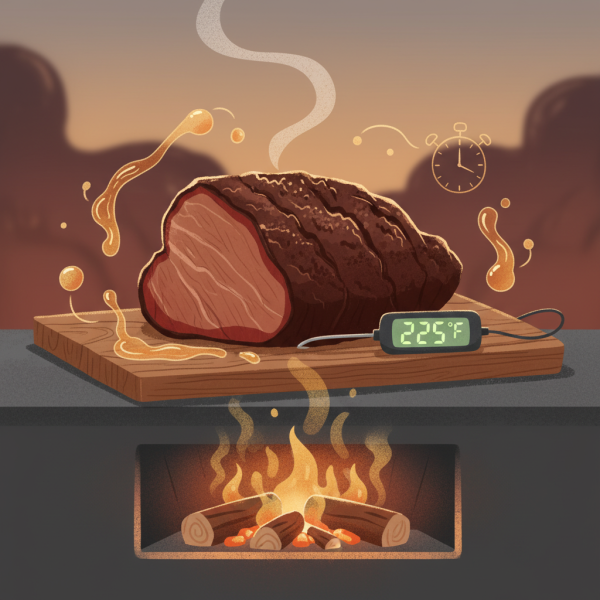
So, why 225°F? This precise temperature isn't chosen at random; it represents the ideal thermal environment for the enzymatic breakdown and subsequent conversion of collagen into gelatin. While collagen begins to denature and break down at around 160°F, the conversion process accelerates and becomes most effective within the range of 160°F to 200°F. Holding your smoker at 225°F allows the exterior of the meat to slowly absorb smoke and develop a beautiful bark, while simultaneously ensuring the internal temperature rises gradually and steadily into this critical collagen-conversion zone. This gentle approach prevents the rapid moisture loss associated with higher temperatures, keeping the meat juicy as it tenderizes.
Maintaining a consistent 225°F is crucial for several reasons:
- Optimal Collagen Conversion: It provides ample time and sufficient heat for collagen to slowly melt into gelatin, resulting in that signature tender, moist texture.
- Smoke Penetration: The lower temperature allows for a longer cooking duration, giving the meat more time to absorb desirable smoky flavors without becoming acrid or overpowering.
- Moisture Retention: Gradual cooking minimizes the rate at which moisture is expelled from the meat, keeping it incredibly juicy throughout the extended process.
- Bark Development: A stable, low temperature encourages the formation of a rich, flavorful bark on the exterior of the meat through the Maillard reaction and dehydration.
From Tough Collagen to Tender Gelatin
This is where the true alchemy of low and slow cooking occurs. As your brisket or pork shoulder slowly cooks at 225°F, the heat gently works its way into the core of the meat. Once the internal temperature reaches the collagen-conversion threshold, those tough collagen fibers begin to dissolve. They unwind, break apart, and transform into gelatin, a wonderfully viscous, slippery substance. Gelatin melts into the surrounding muscle fibers, lubricating them and giving the meat an incredibly moist, succulent mouthfeel that simply cannot be achieved through quick, high-heat methods.
Think of it like this: collagen is a stiff, unyielding rope. Heat applied gradually at 225°F acts like a patient unraveling tool, slowly breaking the rope down into its individual strands, which then melt into a rich, liquid form. This liquid gelatin is not only responsible for the meat's tenderness but also contributes significantly to its rich flavor and juiciness. It's the reason a perfectly smoked brisket shimmers and wiggles, ready to pull apart with just a gentle tug.
Patience: The Unsung Ingredient
If 225°F is the magic number, then patience is the magic wand. You simply cannot rush good barbecue. Trying to speed up the process by cranking up the heat will only lead to dry, tough meat. The collagen needs time, often many hours, to fully convert into gelatin. This is also where phenomena like "the stall" come into play, where the internal temperature of the meat seems to plateau for an extended period. This stall is caused by evaporative cooling as moisture evaporates from the surface of the meat. A novice might panic and increase the heat, but a seasoned pitmaster knows to hold steady, trusting the process and the consistent 225°F environment to push through.
True pitmasters understand that the clock is merely a guide; the meat tells you when it's done. This means relying on internal temperature probes, feeling for tenderness, and observing the bark, rather than strictly adhering to a predetermined timeline. The reward for this patience is meat that is unbelievably tender, bursting with flavor, and profoundly satisfying. It’s the difference between merely cooking food and crafting an experience.
Essential aspects of patience in low and slow BBQ:
- Trust the Temperature: Maintain a consistent 225°F, resisting the urge to increase heat during the stall.
- Monitor Internal Doneness: Use a reliable thermometer to track the meat's internal temperature, targeting specific ranges for collagen breakdown.
- The Texas Crutch (Wrapping): While optional, wrapping meat in butcher paper or foil after the bark has set can help push through the stall and retain moisture, but it's still part of the extended cook.
- Resting Period: Once cooked, allow the meat to rest for a significant period (often 1-2 hours or more for large cuts). This allows the juices to redistribute, resulting in a more tender and moist product.
Beyond the Heat: Complementary Principles
While 225°F and patience are paramount, other elements complement the low and slow approach:
Wood Selection: The type of wood chips or chunks you use—hickory, oak, cherry, apple—imparts distinct flavor profiles that marry beautifully with the long cooking times. A steady stream of clean smoke at 225°F is essential for that signature BBQ taste.
Rub Application: A well-balanced dry rub forms the foundation of the bark, providing flavor and protection to the meat during its extended journey in the smoker. Its sugars and spices caramelize and meld into the outer layer.
Moisture Management: While the low temperature helps, maintaining a humid environment within the smoker (e.g., with a water pan) can further aid in moisture retention and prevent the meat from drying out, especially during long cooks.
Consistent Smoker Temperature: Fluctuations in temperature can sabotage a low and slow cook. Invest in a good smoker that holds heat steadily, or learn to manage your fire precisely to maintain that crucial 225°F.
Summary of Low and Slow Excellence
The journey into low and slow barbecue, particularly at the magical temperature of 225°F, is a testament to the rewards of understanding both culinary science and the art of patience. We've explored how collagen, the tough connective tissue in meat, undergoes a remarkable transformation into tender, succulent gelatin when subjected to prolonged, gentle heat. This biological breakdown, optimized at 225°F, is the secret behind moist, fall-apart BBQ. We also emphasized that patience is not just a virtue but an indispensable ingredient, allowing enough time for smoke penetration, bark development, and the full conversion of collagen. Combined with careful wood selection, rub application, and consistent temperature management, adhering to the 225°F rule will consistently elevate your outdoor cooking to master-level status, delivering BBQ that's truly unforgettable.
Comprehension questions
 What is collagen, and why is its transformation important in low and slow BBQ?Explain why 225°F is considered the gold standard of slow BBQ?Beyond maintaining 225°F and patience, what other complementary principles are crucial for successful low and slow barbecue?