
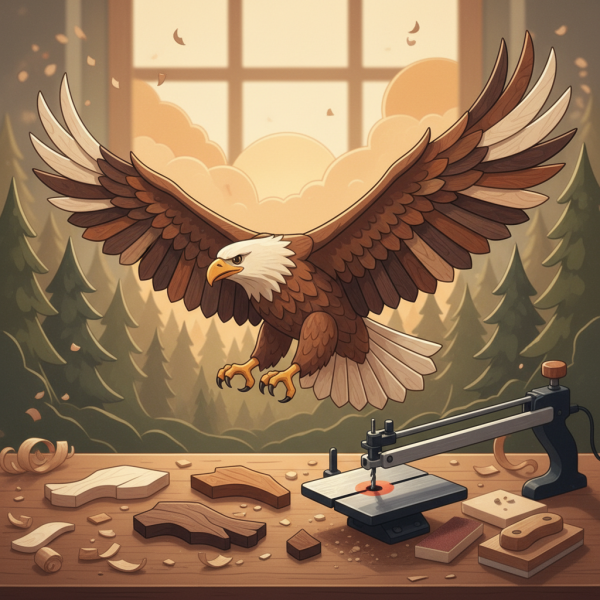
Intarsia: Crafting Three-Dimensional Art with Natural Wood
What you'll learn
 Introduction to IntarsiaWood Selection TechniquesEssential Tools and SkillsDesigning Intarsia Projects
Intarsia: Sculpting with Wood
Welcome to a fascinating journey into the world of intarsia, an ancient yet continually evolving art form that transforms ordinary pieces of wood into breathtaking three-dimensional masterpieces. For members of an online learning community passionate about craftsmanship and artistic expression, intarsia offers a unique blend of woodworking skill, creative design, and an appreciation for nature's inherent beauty. It's more than just an inlay; it's a sculptural approach to mosaic, utilizing the natural grain, color, and texture of various wood species to create depth and lifelike imagery. Prepare to discover how humble timber can be elevated into stunning pictorial art.
What is Intarsia?
Intarsia is a sophisticated form of wood inlaying that originated centuries ago, reaching its peak during the Renaissance in Italy. Unlike traditional marquetry, which focuses on flat, intricate patterns using veneers, intarsia uses solid pieces of wood, often varying in thickness, to create a three-dimensional effect. Each segment of wood is carefully selected, shaped, and sanded to represent a specific part of an image, taking advantage of its unique characteristics to enhance the overall design.
The process involves cutting individual wood pieces, often shaped with slightly beveled edges to create a sense of depth. These pieces are then meticulously fitted together, much like a jigsaw puzzle, to form a complete picture. The magic of intarsia truly comes alive through the strategic use of contrasting wood colors and grain patterns, allowing artists to 'paint' with wood, capturing light and shadow without the need for stains or dyes.
The Art of Wood Selection
The success of an intarsia piece hinges significantly on the judicious selection of wood. This is where the artist's eye for color, grain, and texture becomes paramount. Different species offer a vast palette:
- Light Woods: Aspen, Basswood, Maple, and Holly provide excellent bases and highlights.
- Medium Woods: Poplar, Walnut (lighter sapwood), and Cherry offer versatile mid-tones.
- Dark Woods: Wenge, African Mahogany, and darker Walnut provide rich shadows and contrasts.
- Exotic Grains: Zebrano, Leopardwood, and Lacewood can add dramatic texture and visual interest for specific features like animal fur or foliage.
Beyond color, consider the grain direction. A piece of wood with a swirling grain might be perfect for an animal's eye, while straight grain could define a tree trunk or a bird's feather. The natural undulations and unique patterns within each board are invaluable assets, guiding the artist's hand and imbuing the artwork with organic realism.
Tools and Techniques for Intarsia
While intarsia can be performed with hand tools, modern techniques often integrate power tools for efficiency and precision:
- Scroll Saw: This is the workhorse for cutting intricate shapes. Its fine blade allows for tight curves and detailed cuts.
- Band Saw: Useful for resawing thicker stock into thinner pieces or cutting larger, less intricate shapes.
- Sander (Spindle, Disk, Belt): Essential for shaping the edges, creating bevels, and smoothing the surfaces of individual pieces.
- Dremel/Rotary Tool: Excellent for fine detail work, texturing, and accessing small areas.
- Adhesives: Wood glue is used to permanently join the fitted pieces onto a backer board, or directly to each other for smaller, free-standing pieces.
- Finishes: Oils, waxes, or clear lacquers enhance the wood's natural beauty and protect the finished artwork.
The core technique involves transferring a pattern onto selected wood pieces, cutting them out, shaping their edges to create depth, sanding them smooth, and then carefully assembling them. Precision in cutting and shaping is key, as gaps between pieces can detract from the illusion of a seamless image.
Designing Your Intarsia Project
Starting with a well-designed pattern is crucial. Many intarsia artists begin with existing patterns, especially when learning, but eventually, most venture into creating their own. Consider these design principles:
- Simplicity in Complexity: Even intricate designs can be broken down into manageable, individual pieces.
- Embrace the 3D: Think about how bevels, differing thicknesses, and stacking can enhance the illusion of depth and movement.
- Color and Grain Harmony: Pre-visualize which wood species will best represent each part of your design, paying close attention to how their natural colors and grains will interact.
- Focal Points: Use contrasting woods or more pronounced shaping to draw the eye to key elements of the composition.
Sketching out ideas, experimenting with wood samples, and even creating a paper mock-up can significantly aid in the design process, ensuring the final piece achieves the desired visual impact.
Embracing the Learning Curve
Like any fine craft, intarsia requires patience, practice, and a willingness to learn from mistakes. Beginners might start with simpler patterns featuring fewer pieces and less intricate shaping. As skills develop, more complex designs can be tackled, incorporating finer details and more pronounced three-dimensional effects.
Joining an online learning community like ours offers invaluable resources, including tutorials, shared projects, and direct interaction with experienced intarsia artists. The collaborative spirit can inspire new ideas, provide solutions to challenges, and celebrate successes. Don't be discouraged by initial imperfections; each piece you create is a stepping stone in your artistic journey.
Summary
Intarsia is a captivating woodworking art form that employs the inherent beauty of different wood species to craft stunning three-dimensional images. This article explored its definition, historical context, and the critical role of wood selection in achieving lifelike depth and color. We also touched upon the essential tools and techniques involved, from precise cutting with a scroll saw to meticulous shaping and finishing. Furthermore, we discussed key considerations for designing impactful intarsia projects and emphasized the importance of continuous learning and community engagement for aspiring artists. This craft offers a rewarding path for those who appreciate the unique beauty of wood and the satisfaction of bringing an image to life, one carefully shaped piece at a time.
Comprehension questions
 How does intarsia differ from traditional marquetry?What are some key considerations when selecting wood for an intarsia project?Which power tool is considered the workhorse for cutting intricate shapes in intarsia?Why is it important to consider the 3D aspect and wood grain when designing an intarsia piece?