
Blue Smoke vs. White Smoke: The Pitmaster's Guide to Flavorful Fire
What you'll learn
 Understanding smoke chemistryDifferentiating smoke typesTechniques for clean combustionOptimizing BBQ flavor
For outdoor cooks and pitmasters, the journey to perfectly smoked meat is often characterized by the delicate dance between heat, time, and, most importantly, smoke. Far beyond just a byproduct of burning wood, smoke is a critical ingredient, infusing food with complex flavors and aromas. Yet, not all smoke is created equal. The difference between a sublime, savory crust and a bitter, acrid mess often hinges on one crucial visual cue: the color and consistency of your smoke. This guide delves into the fundamental distinction between coveted thin blue smoke and problematic thick white smoke, unraveling the science behind each and equipping you with the knowledge to master your fire management for unparalleled BBQ.
The Science of Smoke: A Pitmaster's Primer
At its core, smoking food involves exposing it to the products of incomplete combustion of wood. When wood burns, it undergoes a process called pyrolysis, where heat breaks down its complex organic compounds—cellulose, hemicellulose, and lignin—into gases, tars, and other volatile organic compounds (VOCs). These compounds are what give smoke its distinctive aroma and flavor. The key to excellent BBQ lies in managing this pyrolysis to ensure these compounds are mostly "clean" and beneficial.
The type of wood, its moisture content, and, critically, the amount of oxygen available to the fire all dictate the combustion efficiency and, consequently, the smoke's characteristics. A well-managed fire aims for maximum efficiency, converting most of these compounds into heat and beneficial flavor-carrying gases, rather than unburnt particulates and creosote.
Embracing Thin Blue Smoke: The Holy Grail of Flavor
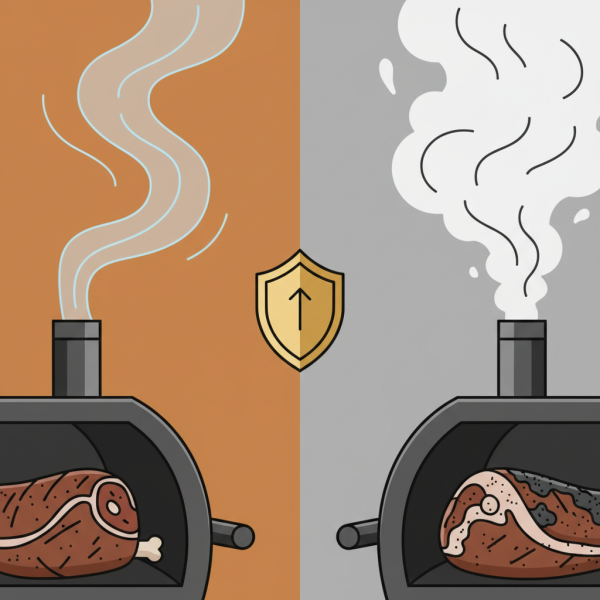
Thin blue smoke is the unmistakable sign of a well-maintained, clean-burning fire. It's often wispy, almost transparent, with a faint blue tint, and it typically dissipates quickly into the air. This type of smoke indicates nearly complete combustion, meaning the wood is burning hot and efficiently, with plenty of oxygen. What's left are highly refined, beneficial volatile compounds that impart a clean, sweet, and nutty flavor profile to your food without any harshness.
When you see thin blue smoke, it means that the tars and unburnt particulates—which are responsible for bitter flavors and a dirty mouthfeel—have been mostly consumed by the flame. It's the cleanest form of wood smoke you can achieve, and it's what professional pitmasters strive for to produce award-winning BBQ.
The Peril of Thick White Smoke: A Warning Sign
Conversely, thick white smoke is the nemesis of great BBQ. It's dense, opaque, and tends to linger heavily around your cooker. This type of smoke is a clear indicator of incomplete combustion, often due to insufficient oxygen reaching the fire or overly moist wood. When wood smolders rather than burns cleanly, it produces a high concentration of unburnt particulates, tars, and creosote.
These compounds not only carry an acrid, bitter, and sometimes chemical taste but can also deposit a grimy residue on your meat, often referred to as "blackening" or "soot." This creosote layer can ruin the flavor of your food, making it unpleasant and even unappetizing. Exposure to thick white smoke for extended periods will undoubtedly lead to a bitter bark and an overall undesirable product.
Mastering the Art of Thin Blue Smoke Production
Achieving and maintaining thin blue smoke requires a combination of proper fuel, attentive fire management, and a good understanding of your smoker. It's a skill that develops with practice and observation.
Fuel Selection and Preparation:
- Seasoned Wood: Always use properly seasoned wood. Green or wet wood contains too much moisture, which cools the fire, inhibits complete combustion, and leads to excessive white smoke. Wood should be dried for at least 6-12 months.
- Hardwoods are King: Stick to hardwoods like oak, hickory, pecan, cherry, and apple. They burn hotter and produce cleaner smoke than softwoods, which often contain resins that create bitter flavors.
- Consistent Size: Use wood chunks or splits of relatively consistent size. This helps the fire burn more evenly and predictably.
Fire Starting and Management:
- Clean Start: Always start your fire clean. Use a chimney starter for charcoal and allow it to ash over before adding wood. For offset smokers, establish a strong, hot coal bed before introducing wood splits. Avoid using lighter fluid, which can impart off-flavors.
- Adequate Airflow: Oxygen is crucial for complete combustion. Ensure your smoker's intake and exhaust dampers are open enough to allow sufficient airflow. Restricting airflow too much starves the fire, causing it to smolder and produce white smoke.
- Temperature Control: Maintain a consistent cooking temperature. Erratic temperatures can lead to fluctuating smoke quality. A stable temperature indicates a stable, efficient fire.
- Reading the Smoke: Your eyes are your best tool. Constantly monitor the smoke coming from your exhaust. If it turns thick and white, assess your fire. It might need more oxygen, or the wood might be too large or too wet.
- Adding Wood Strategically: Don't smother your fire with too much wood at once. Add smaller, preheated splits or chunks to maintain an even burn and prevent temperature drops that can cause smoldering.
Practical Tips for the Dedicated Pitmaster
Implementing these principles will significantly improve your smoke quality and, by extension, your BBQ flavor. Remember that every smoker is a little different, so getting to know your equipment is key.
Begin each session with a thoroughly cleaned cooker, especially the firebox and grease traps. Accumulated ash and grease can hinder airflow and contribute to dirty smoke. Allow your smoker to preheat to your target temperature for at least 30-60 minutes before adding meat. This ensures the entire system is stable and producing clean smoke.
When adding wood, place it directly onto the hottest part of your coal bed. This encourages rapid ignition and minimizes the smoldering phase. If you notice a burst of white smoke after adding wood, be patient. It's normal for a brief period as the new wood ignites and moisture evaporates. However, if it persists for more than 10-15 minutes, adjust your airflow or consider slightly smaller wood pieces.
Never choke your fire to control temperature. If your temperature is running too high, consider closing the intake damper slightly, but never fully. If it's too low, open the intake more. Learning to adjust your dampers incrementally will give you fine control over both temperature and smoke quality. A good goal is to maintain a steady flow of thin blue smoke for the duration of your cook.
Summary: The Pursuit of Flavorful Fire
Mastering the distinction between thin blue smoke and thick white smoke is a cornerstone of exceptional outdoor cooking. By understanding the science of clean combustion, selecting properly seasoned hardwoods, ensuring adequate airflow, and diligently managing your fire, you can consistently achieve the coveted thin blue smoke. This clean, efficient smoke delivers unparalleled flavor without the bitterness, transforming your BBQ from good to truly great. Embrace the blue, banish the white, and elevate your pitmaster prowess to new heights.
Comprehension questions
 What is the primary difference in composition between thin blue smoke and thick white smoke?How does proper airflow contribute to achieving desirable thin blue smoke during the smoking process?What are the negative consequences of prolonged exposure to thick white smoke on the flavor of smoked food?Describe at least two practical steps an outdoor cook can take to transition from producing white smoke to thin blue smoke.