Embracing Sustainable Weight Loss
- -->> 9. Embracing Sustainable Weight Loss
What you'll learn
 Gradual Calorie DeficitNutrient-Dense EatingConsistent Physical ActivityMindful Eating Practices
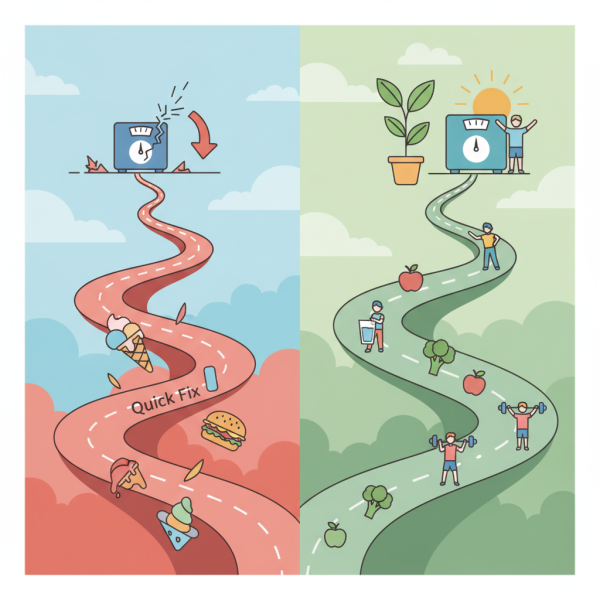
Embarking on a weight loss journey is a common goal for many, often driven by desires for improved health, enhanced appearance, or increased vitality. However, the pursuit of a leaner body frequently leads individuals down paths of extreme diets and grueling workout regimens promising rapid results. While the allure of quick fixes can be strong, true success in weight management, the kind that endures and genuinely benefits overall health, lies in embracing sustainable strategies. This approach shuns temporary deprivation in favor of gradual, consistent changes that foster a healthier relationship with food and activity, prioritizing long-term well-being over fleeting numbers on a scale.
The Pitfalls of Quick Fixes
The diet industry is saturated with programs advocating for drastic calorie restriction, elimination of entire food groups, or reliance on supplements. These methods often yield initial rapid weight loss, primarily due to water loss and muscle depletion, not sustained fat reduction. Such extreme measures are notoriously difficult to maintain and can lead to nutrient deficiencies, metabolic slowdown, and a frustrating cycle of weight regain, often referred to as "yo-yo dieting." This cycle not only harms physical health but also erodes self-esteem and makes subsequent weight loss attempts even more challenging.
Rapid weight loss can also be detrimental to mental health, fostering an unhealthy obsession with food and body image. The focus shifts from nourishing the body to strictly controlling it, creating stress and anxiety around eating. Understanding these drawbacks is the first step toward adopting a more sensible and effective strategy.
The Core Principles of Sustainable Weight Loss
Sustainable weight loss is built upon a foundation of realistic expectations and consistent effort. It's about making lifestyle adjustments that you can maintain indefinitely, rather than temporary sacrifices. Here are the key pillars:
Gradual Calorie Deficit
To lose weight, you need to consume fewer calories than your body expends. However, this deficit should be moderate. A daily deficit of 300-500 calories is generally recommended for a healthy weight loss of 1-2 pounds per week. This allows your body to adapt without triggering extreme hunger or metabolic resistance. It’s a gentle nudge, not a harsh push, ensuring that your body retains essential nutrients and energy levels.
Nutrient-Dense Foods
Focus on quality over quantity. Prioritize whole, unprocessed foods that are rich in nutrients, fiber, and protein. This includes fruits, vegetables, lean proteins, whole grains, and healthy fats. These foods provide satiety, essential vitamins and minerals, and sustained energy, preventing cravings and supporting overall bodily functions. They naturally help you feel fuller for longer, reducing the temptation to overeat.
Regular Physical Activity
Exercise plays a crucial role not just in burning calories, but also in building muscle mass, boosting metabolism, improving cardiovascular health, and enhancing mood. Aim for a combination of cardiovascular exercises (like brisk walking, jogging, or cycling) and strength training. Find activities you enjoy to ensure long-term adherence. Consistency, even with moderate activity, is far more effective than sporadic intense workouts.
Mindful Eating Practices
Mindful eating involves paying attention to your body's hunger and fullness cues, eating slowly, and savoring your food without distractions. It helps you recognize true hunger versus emotional eating, and allows your brain to register satiety, preventing overconsumption. This practice fosters a healthier relationship with food, shifting focus from restrictive rules to intuitive nourishment.
Building Healthy Habits for Life
Sustainable weight loss isn't just about diet and exercise; it's about cultivating a mindset and daily routines that support your goals.
- Consistency is Key: Small, consistent actions compound over time. Don't strive for perfection; strive for consistency. Missing a workout or having an indulgent meal doesn't derail your progress; it's an opportunity to return to your healthy habits at the next meal or workout.
- Patience and Persistence: Weight loss is not a linear journey. There will be plateaus and minor fluctuations. Embrace patience, celebrate small victories, and understand that true transformation takes time. Focus on the progress, not just the outcome.
- Self-Compassion: Be kind to yourself. Acknowledge that change is hard and setbacks are part of the process. Rather than self-criticism, practice self-compassion. Treat yourself with the same understanding and encouragement you would offer a friend.
- Adequate Sleep: Often overlooked, sufficient sleep (7-9 hours per night) is vital. Lack of sleep can disrupt hunger hormones (ghrelin and leptin), leading to increased appetite and cravings for unhealthy foods. Prioritize restorative sleep to support your weight management efforts.
- Stress Management: Chronic stress can lead to increased cortisol levels, which promotes fat storage, especially around the abdomen. Incorporate stress-reducing activities like meditation, yoga, spending time in nature, or hobbies into your routine.
Beyond the Scale: Measuring Success
While the scale can be a useful tool, it's not the sole indicator of progress. Sustainable weight loss brings numerous non-scale victories that are equally, if not more, important. These include:
- Increased energy levels and improved stamina.
- Better sleep quality.
- Improved mood and reduced stress.
- Enhanced physical strength and flexibility.
- Better blood pressure, cholesterol, and blood sugar levels.
- Clothing fitting better.
- A greater sense of self-efficacy and confidence.
Focusing on these holistic improvements helps maintain motivation and reinforces the idea that your efforts are yielding significant, lasting benefits beyond just a number.
Summary
Sustainable weight loss is a journey characterized by gradual, consistent changes to diet and lifestyle, moving away from the fleeting promises of quick fixes towards lasting health. It emphasizes a moderate calorie deficit, the consumption of nutrient-dense foods, regular physical activity, and mindful eating. Building healthy, lifelong habits, exercising patience, and practicing self-compassion are crucial for navigating this path. Ultimately, success is measured not just by changes on the scale, but by a holistic improvement in well-being, energy, and overall health, ensuring that the benefits of your efforts are profound and enduring.
Comprehension questions
 What are some of the common pitfalls associated with quick-fix weight loss strategies?How large of a calorie deficit is generally recommended for sustainable weight loss, and what are its benefits?Besides calorie burning, what are two additional benefits of regular physical activity in a sustainable weight loss journey?Name three non-scale victories that indicate successful progress in sustainable weight loss.
Community Poll
Next Lesson

Course Contents : Healthier Eating and Sustainable Weight Loss
- >> 9.
 Embracing Sustainable Weight Loss