Unpacking the Impact of Sugars and Processed Foods
- -->> 6. Unpacking the Impact of Sugars and Processed Foods
What you'll learn
 Impact of added sugarsDangers of processed foodsWeight management challengesStrategies for healthier eating
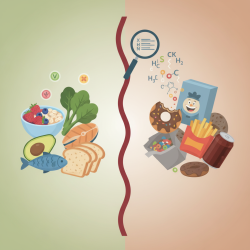
In the modern dietary landscape, few topics generate as much discussion and confusion as the roles of added sugars and processed foods. These pervasive elements have become staples in countless diets globally, often without a full understanding of their profound impact on our well-being. From breakfast cereals to seemingly healthy snack bars, hidden sugars and highly refined ingredients are stealthily contributing to a spectrum of health issues, including weight gain and chronic diseases. This article aims to pull back the curtain, revealing the science behind why these dietary components are so detrimental and offering insights into how to reclaim control over your plate and your health.
What Defines "Processed"?
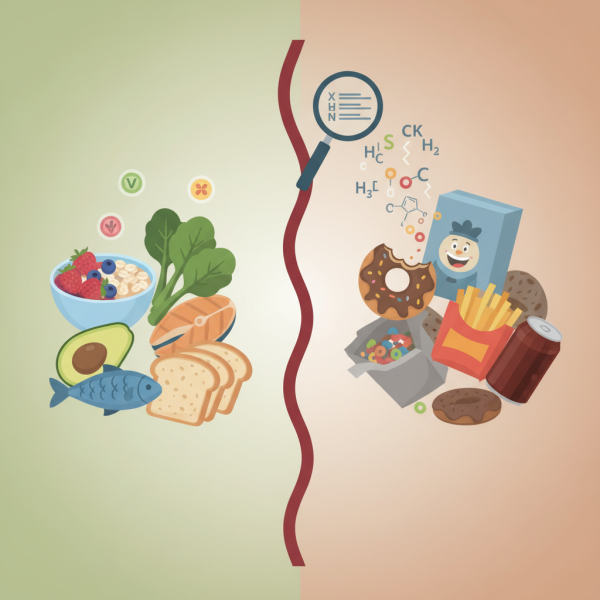
The term "processed food" can be broad, ranging from minimally altered items like pre-cut vegetables to ultra-processed products packed with artificial ingredients. For our discussion, we're focusing on the latter: foods that have undergone significant industrial processing, often containing ingredients you wouldn't typically find in a home kitchen. Think about items created from fractions of whole foods, such as isolated proteins, hydrogenated oils, high-fructose corn syrup, and artificial flavors and colors. These foods are engineered for taste, convenience, and shelf-life, often at the expense of nutritional value.
Examples include sugary drinks, packaged baked goods, most breakfast cereals, instant noodles, fast food items, and many frozen meals. Their production often strips away fiber, vitamins, and minerals, replacing them with unhealthy fats, excessive sodium, and, critically, added sugars.
The Hidden Dangers of Added Sugars
Added sugars are not naturally occurring sugars found in fruits or milk. They are sweeteners and syrups added to foods during processing or preparation. The average person consumes far more added sugar than is recommended, often without realizing it. Food manufacturers use a multitude of names to disguise sugar in ingredient lists, making it difficult for consumers to identify.
When you consume added sugars, particularly in liquid form, your body experiences a rapid spike in blood glucose, prompting the pancreas to release insulin. Chronic overconsumption of sugar can lead to insulin resistance, a precursor to Type 2 Diabetes. Beyond blood sugar regulation, excessive sugar intake places a burden on the liver, which converts excess fructose into fat, potentially leading to non-alcoholic fatty liver disease.
Common names for added sugars to watch out for include:
- High-fructose corn syrup
- Cane sugar or cane juice
- Dextrose, maltose, sucrose, glucose
- Corn syrup solids
- Molasses
- Rice syrup
- Agave nectar
- Maple syrup (when added to processed foods)
Beyond Calories: The Nutritional Void of Processed Foods
One of the most insidious aspects of processed foods is their nutritional profile. While they may provide calories, they often lack the essential micronutrients (vitamins, minerals) and macronutrients (fiber, healthy fats, quality protein) that your body needs to function optimally. This leads to a phenomenon known as "empty calories" – consuming a lot of energy without sufficient nutritional benefit. Such foods can leave you feeling unsatisfied and craving more, leading to overeating and nutrient deficiencies.
The high sodium content in many processed foods also contributes to health problems, particularly high blood pressure, increasing the risk of heart disease and stroke. Furthermore, the trans fats and unhealthy saturated fats commonly found in these items can raise bad cholesterol levels, negatively impacting cardiovascular health.
Impact on Weight Management
The link between processed foods, added sugars, and weight gain is well-established. Processed foods are typically hyper-palatable, meaning they are designed to taste incredibly good, often combining sugar, fat, and salt in proportions that stimulate reward centers in the brain. This can lead to addictive eating behaviors, making it harder to control portion sizes and resist cravings.
Their low fiber content means they are digested quickly, leading to rapid blood sugar spikes and subsequent crashes, which can trigger hunger shortly after eating. This cycle of hunger and overeating, combined with the caloric density of processed foods, creates an ideal environment for weight accumulation. Moreover, the lack of essential nutrients can disrupt satiety signals, preventing your body from recognizing when it's truly full and nourished.
Health Consequences Beyond Weight
While weight gain is a significant concern, the adverse effects of added sugars and processed foods extend much further, affecting nearly every system in the body. Chronic inflammation is a major consequence, implicated in numerous diseases. The high glycemic load from sugars and refined carbohydrates, coupled with unhealthy fats, promotes inflammation throughout the body.
Specific health issues strongly linked to high consumption of these foods include:
- Increased risk of Type 2 Diabetes due to insulin resistance.
- Cardiovascular disease, including heart attacks and strokes, from elevated bad cholesterol, high blood pressure, and inflammation.
- Non-alcoholic fatty liver disease (NAFLD) from excess fructose metabolism.
- Certain types of cancer, with chronic inflammation and obesity being contributing factors.
- Digestive issues and an imbalanced gut microbiome, affecting immunity and mental health.
- Dental cavities due to sugar exposure.
- Acne and other skin issues.
Breaking Free: Strategies for a Healthier Diet
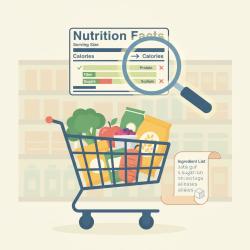
Reducing your intake of added sugars and processed foods requires conscious effort but is entirely achievable. The first step is to become a diligent label reader. Look for added sugars under their various names and prioritize foods with fewer ingredients, especially those you recognize as whole foods.
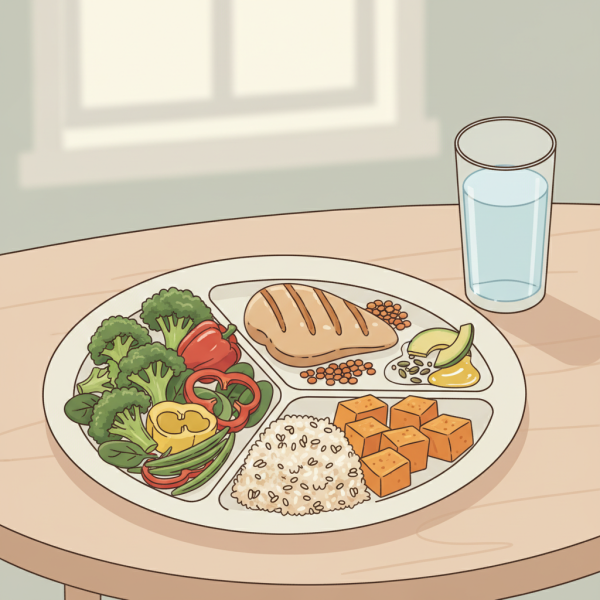
Focus on incorporating more whole, unprocessed foods into your diet. This includes plenty of fresh fruits and vegetables, lean proteins, whole grains, and healthy fats. Cooking more at home gives you control over ingredients and helps you avoid hidden sugars and unhealthy additives. Gradual changes are often more sustainable than drastic overhauls. Start by replacing one sugary drink with water, or one processed snack with a piece of fruit.
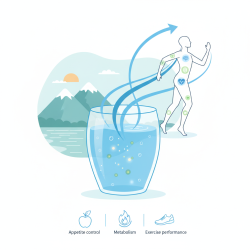
Hydration with water, adequate sleep, and regular physical activity also play crucial roles in supporting your body as you transition to a cleaner eating pattern. Be patient with yourself; taste buds adapt, and soon you'll find that whole foods taste more vibrant and satisfying.
Summary
In conclusion, the widespread presence of added sugars and heavily processed foods in our diets poses significant threats to our health and weight management efforts. These items, often engineered for hyper-palatability and convenience, are nutritionally deficient and contribute to a host of metabolic disorders, inflammation, and chronic diseases beyond just weight gain. Understanding their deceptive nature and committing to a diet rich in whole, unprocessed foods is crucial for reclaiming vitality and fostering long-term well-being. By making informed choices and prioritizing real food, individuals can significantly mitigate the adverse impacts and pave the way for a healthier future.
Comprehension questions
 What is the key difference between naturally occurring sugars and added sugars, and why is this distinction important for health?Explain two ways in which the design of processed foods makes them contribute to weight gain and difficulty in weight management.Beyond weight gain, list and briefly describe at least three other significant health consequences linked to high consumption of added sugars and processed foods.
Review Quiz
Next Lesson
Course Contents : Healthier Eating and Sustainable Weight Loss
- >> 6.
 Unpacking the Impact of Sugars and Processed Foods