Your Guide to Effortless Meal Planning
- -->> 3. Your Guide to Effortless Meal Planning
What you'll learn
 Understanding Your NeedsBuilding Your Meal RepertoireThe Weekly Planning ProcessSmart Shopping & Pre-Preparation
In our fast-paced world, maintaining a healthy and balanced diet can often feel like a monumental task. The daily scramble to decide what to eat, followed by rushed cooking or unhealthy takeout, is a common scenario. However, there's a powerful and simple solution: meal planning. This practice isn't just about organizing food; it's about taking control of your nutrition, saving precious time, reducing food waste, and significantly cutting down on grocery expenses. Meal planning transforms the daunting chore of daily cooking into an enjoyable and stress-free part of your routine, making nutritious eating an accessible reality for everyone.
Understanding Your Unique Needs and Preferences
Before diving into recipes and grocery lists, the most crucial first step in effective meal planning is to understand your unique lifestyle and dietary preferences. Take a moment to assess your household's specific requirements. This foundational assessment will guide all your subsequent planning decisions, ensuring your meals are both practical and enjoyable.
- Time Availability: Consider how much time you genuinely have for cooking on different days of the week. Weekday evenings might demand quicker meals, while weekends could allow for more elaborate dishes or batch cooking sessions.
- Dietary Requirements: Are there any allergies, intolerances, or specific dietary protocols (e.g., vegetarian, vegan, gluten-free, low-carb) you need to adhere to? Factor these in from the start to ensure safe and compliant meals.
- Family Preferences: What do you and your family genuinely enjoy eating? Including favorite meals and ingredients will increase adherence and satisfaction with your meal plan. Don't forget to note any foods to avoid.
Building Your Meal Repertoire: The Master List
One of the biggest hurdles to consistent meal planning is decision fatigue. To combat this, create a "master list" of go-to meals that you enjoy and know how to prepare. This list will become your personal cookbook, a wellspring of ideas to draw from each week.
Organize your master list in a way that makes sense to you. You might categorize meals by main ingredient (chicken, pasta, vegetarian), by cooking method (slow cooker, sheet pan, quick stove-top), or simply by meal type (breakfast, lunch, dinner). Aim for a mix of simple, quick-prep options alongside a few more involved recipes you can tackle when you have more time.
- Include a variety of cuisines and flavors to keep meals interesting.
- Note down recipes that can easily be scaled up for leftovers, providing future lunches.
- Regularly update this list with new favorites and seasonal dishes to prevent boredom.
The Weekly Planning Process
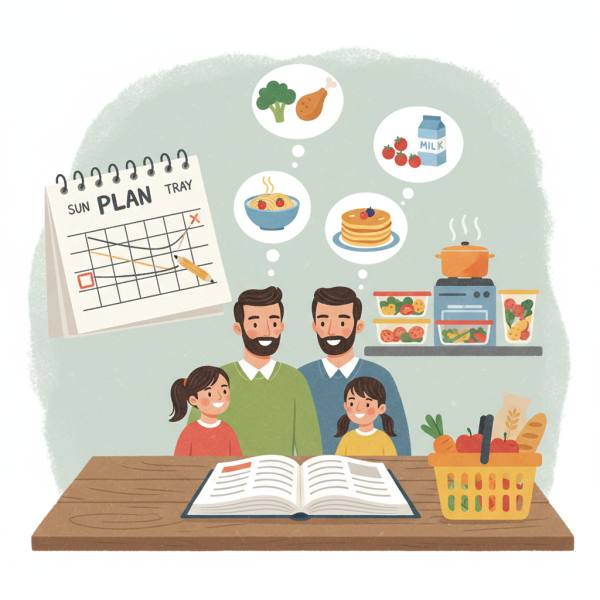
Once you understand your needs and have a repertoire of meals, dedicate a specific, consistent time each week for planning. Many find Sunday afternoon ideal. During this planning session, review your upcoming schedule to identify busy days that will require minimal cooking effort. Then, map out your meals for the entire week.
Think about how ingredients can be reused or repurposed throughout the week to reduce waste and streamline cooking. For example, roasted chicken for dinner one night could become chicken salad for lunch the next. Write down your chosen meals, day by day, for breakfasts, lunches, and dinners. This visual plan helps you ensure variety and balance.
Smart Shopping and Strategic Pre-Preparation
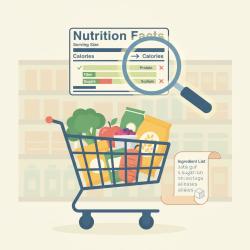
With your weekly meal plan firmly in place, the next step is creating a detailed, itemized grocery list. Stick to this list diligently when you shop to avoid impulse buys and ensure you have all the necessary ingredients. Once your groceries are home, dedicate some time to "pre-prep." This strategic effort can drastically cut down on weeknight cooking time.
Pre-preparation might involve washing, chopping, and storing vegetables in airtight containers; cooking a large batch of grains like quinoa, brown rice, or farro; or grilling/roasting a protein source such as chicken breasts or ground turkey that can be used in multiple dishes. Having these components ready to go means assembling a nutritious meal during the week takes only minutes, not hours.
Maintaining Flexibility and Enjoyment
While planning is crucial, it’s equally important to approach it with a degree of flexibility. Life is unpredictable, and sometimes plans change. Don’t view your meal plan as an unchangeable decree, but rather as a helpful guide. It’s perfectly acceptable to swap meals around, order takeout occasionally, or pivot to an easy "emergency meal" you keep on hand in your pantry or freezer for unexpected busy evenings.
The ultimate goal of meal planning is to reduce stress and enhance your enjoyment of food, not to create rigid rules. Learn from what works and what doesn't, and feel empowered to adjust your strategies and meal choices over time to perfectly align with your evolving tastes and lifestyle. This adaptability ensures long-term success and satisfaction.
Your Path to Simplified Nutrition
Meal planning is a transformative strategy for anyone looking to eat healthier, save time and money, and reduce daily stress. By first understanding your individual and household needs, then building a reliable master list of meals, and consistently engaging in weekly planning with smart shopping and strategic pre-preparation, you can effortlessly create nutritious meals. Embrace flexibility and continuously refine your approach, and you'll discover that meal planning isn't just a chore, but a powerful tool for a healthier, more organized, and enjoyable life.
Comprehension questions
 What are the primary benefits of implementing meal planning into your routine?What three key aspects should you consider when understanding your unique needs for meal planning?What two strategies are recommended for efficient grocery shopping and weeknight cooking once your meal plan is set?
Review Quiz
Next Lesson

Course Contents : Healthier Eating and Sustainable Weight Loss
- >> 3.
 Your Guide to Effortless Meal Planning