The Indispensable Power of Hydration
- -->> 5. The Indispensable Power of Hydration
What you'll learn
 Bodily FunctionsWeight ManagementHydration BenefitsDaily Water Intake
Water, an essential element for life, often takes a backseat in our daily health considerations. Despite its ubiquitous presence, the profound impact of adequate hydration on our overall well-being and specifically on effective weight management cannot be overstated. From the cellular level to systemic bodily functions, water plays a critical role, acting as a silent, yet powerful, orchestrator of health. Understanding and prioritizing proper hydration is not just about quenching thirst; it's about optimizing every physiological process that keeps us alive and thriving.
The Fundamental Role of Water in Bodily Functions
Our bodies are comprised of roughly 50-70% water, a testament to its indispensable nature. This vital fluid is involved in practically every major bodily function. It acts as a solvent, transporting nutrients, oxygen, and hormones to cells throughout the body. Concurrently, it facilitates the removal of waste products and toxins from the body through the kidneys and other excretory systems. Without sufficient water, these critical transport and detoxification processes become inefficient, leading to a cascade of negative health effects.
Water plays a crucial role in maintaining body temperature. Through perspiration, water helps dissipate excess heat, preventing overheating, especially during physical activity or in warm environments. It also lubricates joints and acts as a shock absorber for sensitive tissues like the brain and spinal cord, protecting them from damage. Adequate hydration supports cognitive function, ensuring optimal brain performance, mood regulation, and concentration levels. Dehydration, even mild, can significantly impair these functions, leading to fatigue, headaches, and reduced mental clarity.
- Regulates body temperature through sweating.
- Transports nutrients and oxygen to cells.
- Removes waste products and toxins.
- Lubricates joints and protects tissues.
- Supports cognitive function and mood.
Hydration and Weight Management: A Powerful Link
When it comes to weight management, water often goes unacknowledged as a key player. Yet, its influence is significant and multi-faceted. Integrating proper hydration into a weight loss or maintenance strategy can yield remarkable benefits that extend beyond mere fluid intake.
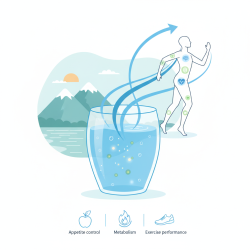
Appetite Control and Satiety
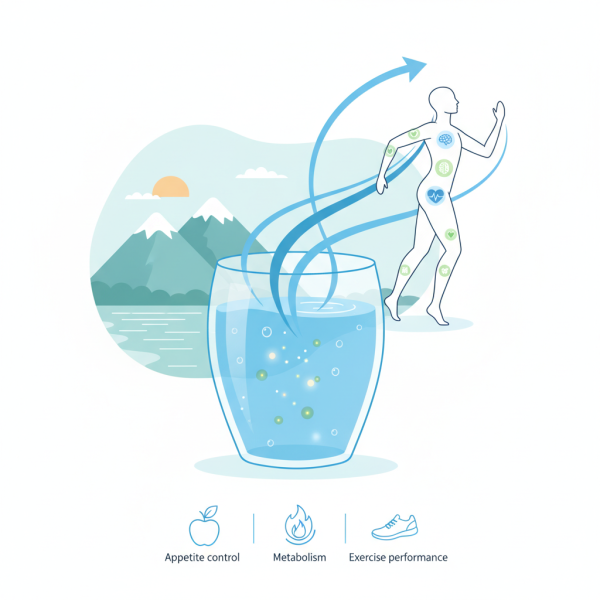
Drinking water before meals can contribute to a feeling of fullness, potentially reducing overall calorie intake. Often, our bodies confuse thirst with hunger. Reaching for a glass of water when hunger pangs strike can help determine if you are truly hungry or simply dehydrated. This simple habit can prevent unnecessary snacking and overeating, making it easier to stick to dietary goals. Water has zero calories, making it the perfect beverage choice to satisfy thirst without adding to your caloric load.
Metabolism Boost
Research suggests that drinking cold water can temporarily increase your metabolic rate. The body expends energy to warm the water to body temperature, a process that slightly burns calories. While the caloric expenditure from this effect alone may seem modest, combined with other hydration benefits, it contributes to a more efficient metabolism. A well-hydrated body is also more efficient at fat metabolism; without adequate water, the body struggles to break down stored fat for energy.
Enhanced Exercise Performance
Physical activity is a cornerstone of weight management, and hydration is paramount for optimal performance. Even a small degree of dehydration can impair strength, endurance, and overall exercise capacity. Water helps transport oxygen and nutrients to working muscles, regulates body temperature, and lubricates joints, all of which are critical for effective workouts. Staying hydrated before, during, and after exercise ensures you can push harder, recover faster, and maximize the calorie-burning potential of your physical activity.
Reduced Caloric Beverage Intake
Many people consume a significant amount of "empty" calories through sugary drinks like sodas, juices, and sweetened coffees. Replacing these high-calorie beverages with water is one of the easiest and most effective ways to reduce daily calorie intake and support weight loss efforts. This simple switch can save hundreds of calories per day, contributing significantly to a caloric deficit.
How Much Water Do You Really Need?
The common recommendation of eight glasses of water per day is a good starting point, but individual hydration needs can vary significantly. Factors such as activity level, climate, diet, and overall health status all play a role. Athletes, individuals living in hot climates, or those experiencing illness (fever, vomiting, diarrhea) will require more fluid intake. Pregnant and breastfeeding women also have increased hydration needs.
A good indicator of adequate hydration is the color of your urine; it should be pale yellow or nearly clear. Dark yellow urine typically indicates dehydration. While it's important to drink enough, excessive water intake can also be dangerous, leading to a condition called hyponatremia. Listen to your body's thirst cues, but don't wait until you're parched to drink.
Practical Tips for Staying Hydrated
Incorporating more water into your daily routine doesn't have to be a chore. Small, consistent efforts can make a big difference.
- Carry a reusable water bottle and refill it throughout the day.
- Set reminders on your phone or use hydration tracker apps.
- Drink a glass of water first thing in the morning.
- Consume water before each meal.
- Add natural flavor to water with slices of fruit (lemon, cucumber, berries).
- Eat water-rich foods like fruits and vegetables (watermelon, oranges, lettuce).
- Limit intake of sugary drinks and excessive caffeine.
Summary
In conclusion, hydration is far more than just drinking water; it is a cornerstone of holistic health and a powerful ally in effective weight management. Water supports nearly every bodily function, from nutrient transport and waste removal to temperature regulation and cognitive performance. For those aiming to manage their weight, proper hydration aids in appetite control, boosts metabolism, enhances exercise performance, and helps reduce the intake of high-calorie beverages. By understanding our individual needs and adopting simple, consistent habits, we can unlock the full potential of this life-sustaining fluid and significantly improve our overall well-being. Prioritizing water intake is a simple yet profound step towards a healthier, more vibrant life.
Comprehension questions
 What percentage of the human body is comprised of water, and what are its primary roles in bodily functions?How does drinking water before meals contribute to appetite control and weight management?In what ways does adequate hydration enhance exercise performance?Besides the common recommendation of eight glasses, what factors can influence an individual's daily water needs?
Community Poll
Next Lesson
Course Contents : Healthier Eating and Sustainable Weight Loss
- >> 5.
 The Indispensable Power of Hydration