Decoding Food Labels and Nutritional Data
- -->> 2. Decoding Food Labels and Nutritional Data
What you'll learn
 Understanding Nutrition FactsIdentifying Key NutrientsInterpreting Ingredient ListsEvaluating Marketing Claims
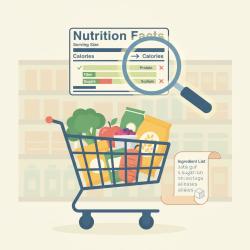
Navigating the grocery store aisles can often feel like a treasure hunt, especially when you're trying to make genuinely healthy choices. With a bewildering array of products, flashy marketing, and often confusing jargon, the key to unlocking a healthier shopping cart lies in mastering one crucial skill: decoding food labels. Far from being mere technical specifications, food labels are powerful tools designed to inform you about what you're truly putting into your body. By understanding how to read and interpret these labels, you can cut through the marketing hype and make informed decisions that support your health and wellness goals, transforming your shopping experience from guesswork to confident selection.
Understanding the Basics of the Nutrition Facts Panel
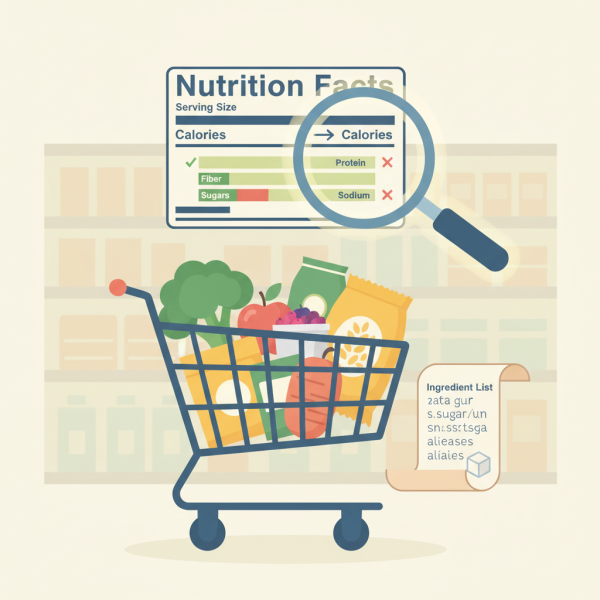
The Nutrition Facts panel is the cornerstone of every food label, offering a standardized snapshot of a product's nutritional profile. Located prominently on most packaged foods, it's the first place to look for reliable information.
Serving Size and Servings Per Container
This is arguably the most critical piece of information, yet it's often overlooked. All the nutritional values listed below it pertain to a single serving. It’s vital to check the "servings per container" as well. Many seemingly single-serving items actually contain multiple servings, meaning you could be consuming two, three, or even four times the stated calories and nutrients if you eat the whole package.
Calories
Calories represent the energy content of a food. While not the sole determinant of health, understanding calorie counts per serving helps manage overall energy intake. Keep in mind that "empty calories" from added sugars and unhealthy fats offer little nutritional benefit.
Daily Values (%DV)
The % Daily Value indicates how much a nutrient in a serving of food contributes to a total daily diet of 2,000 calories. It's a quick way to see if a food is high or low in a particular nutrient. A %DV of 5% or less is considered low, while 20% or more is considered high. Use this as a guide, aiming for low %DV for nutrients to limit (like sodium and added sugars) and high %DV for nutrients to encourage (like fiber and vitamins).
Key Nutrients to Watch For (and Limit)
Certain nutrients, when consumed in excess, can negatively impact health. The food label makes it easy to identify and limit these.
Added Sugars
This is a major concern in many processed foods. Unlike naturally occurring sugars in fruits and dairy, added sugars contribute extra calories without significant nutrients. High intake is linked to increased risk of obesity, type 2 diabetes, and heart disease. The Nutrition Facts panel now lists "Added Sugars" separately, making them easier to spot. Aim to keep your intake of added sugars as low as possible.
Saturated and Trans Fats
While some fats are essential, saturated and especially trans fats should be limited. Saturated fats, often found in animal products and some plant oils, can raise LDL ("bad") cholesterol. Trans fats, often created during food processing, are particularly harmful, increasing both LDL and lowering HDL ("good") cholesterol. Many food manufacturers have removed trans fats, but it's still wise to check.
Sodium
High sodium intake is linked to high blood pressure, a major risk factor for heart disease and stroke. Processed foods are often a significant source of sodium. Look for products with lower sodium content, especially if you have concerns about blood pressure. The %DV for sodium is a good indicator here.
Nutrients to Emphasize
Just as important as limiting certain nutrients is ensuring you get enough of beneficial ones.
Fiber
Dietary fiber is crucial for digestive health, helps regulate blood sugar, and can contribute to feelings of fullness, aiding in weight management. Found in whole grains, fruits, vegetables, and legumes, aim for a high %DV for fiber.
Vitamins and Minerals
Essential vitamins and minerals like Vitamin D, Calcium, Iron, and Potassium are vital for numerous bodily functions. The label often highlights these, allowing you to identify foods that contribute significantly to your daily requirements.
Protein
Protein is essential for building and repairing tissues, making enzymes and hormones, and providing energy. While many people get sufficient protein, checking the label can help ensure adequate intake, especially for vegetarians, vegans, or those focusing on muscle development.
The Ingredient List: More Than Just Words
Beyond the numbers, the ingredient list provides a narrative of what’s truly in your food. It’s often where the real surprises lie.
Order of Ingredients
Ingredients are listed in descending order by weight. This means the first few ingredients make up the largest proportion of the product. If sugar, unhealthy fats, or refined grains are among the first three ingredients, it’s a strong indicator that the food may not be the healthiest choice.
Common Aliases for Sugar
Food manufacturers often use multiple names for sugar to make its overall quantity seem less prominent. Be vigilant for terms like high-fructose corn syrup, corn syrup solids, dextrose, evaporated cane juice, fructose, glucose, lactose, malt syrup, maltose, molasses, sucrose, and fruit juice concentrate. If several of these appear on the list, the product likely contains a significant amount of added sugar.
Recognizing Unhealthy Additives
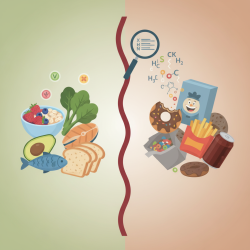
The ingredient list also reveals artificial colors, flavors, preservatives, and other additives. While many are deemed safe, some consumers prefer to avoid them. Longer ingredient lists with many unfamiliar chemical names often signify a highly processed food.
Front-of-Package Claims: What Do They Really Mean?
Marketing claims on the front of packages are designed to attract your attention, but they don't always tell the whole story. Always refer back to the Nutrition Facts panel and ingredient list to verify.
- "Low Fat," "Reduced Sugar," "Light": These terms are regulated but can be misleading. A "low-fat" product might be high in sugar to compensate for flavor, and "light" can refer to calories, fat, or sodium, not necessarily overall healthfulness.
- "Natural": This term is broadly defined and largely unregulated, meaning it doesn't necessarily indicate a healthy or minimally processed product.
- "Organic": Certified organic products meet specific standards regarding farming practices, avoiding synthetic pesticides, fertilizers, and GMOs.
- "Non-GMO": This indicates that the product is made without genetically modified organisms.
Summary
Mastering food labels is an empowering skill that puts you in control of your dietary choices. By diligently checking serving sizes, scrutinizing calorie and %DV figures for key nutrients, and delving into the ingredient list to identify hidden sugars and additives, you can confidently navigate the complex world of packaged foods. Remember to prioritize whole, unprocessed foods whenever possible, but for packaged items, let the label be your trusted guide, helping you make healthier selections and avoid marketing traps. This informed approach to grocery shopping will undoubtedly contribute to better overall health and well-being.
Comprehension questions
 Which three key nutrients does the article suggest limiting, and why?What is the significance of the order of ingredients on a food label?How can consumers identify hidden added sugars in an ingredient list?
Community Poll
Next Lesson

Course Contents : Healthier Eating and Sustainable Weight Loss
- >> 2.
 Decoding Food Labels and Nutritional Data