A Guide to Macronutrients and Micronutrients
- -->> 1. A Guide to Macronutrients and Micronutrients
What you'll learn
 Macronutrient RolesMicronutrient ImportanceNutrient SynergyBalanced Diet Principles
In the vast landscape of nutrition, two fundamental categories of nutrients form the bedrock of our health: macronutrients and micronutrients. While both are indispensable, they serve distinct yet interconnected roles, acting as the essential building blocks and operational catalysts for every function within our bodies. A comprehensive understanding of these nutritional pillars is not merely academic; it is paramount for making informed dietary choices that support energy levels, growth, repair, and overall well-being. This article will delve into the specifics of each, exploring their individual functions and emphasizing why a harmonious balance between them is crucial for optimal health.
The Foundation: Macronutrients
Macronutrients are the nutrients our bodies need in larger quantities to provide energy, facilitate growth, and maintain bodily functions. They are the primary sources of calories in our diet. There are three main types of macronutrients:
Carbohydrates: The Body's Preferred Energy Source
Carbohydrates are the body's primary and most readily available source of energy. They are broken down into glucose, which is then used by cells for fuel. Not all carbohydrates are created equal, however.
- Simple Carbohydrates: These are sugars (like glucose, fructose, sucrose) found in fruits, milk, and processed foods. They provide quick bursts of energy but can lead to blood sugar spikes.
- Complex Carbohydrates: Found in whole grains, vegetables, and legumes, these are composed of longer chains of sugar molecules. They are digested more slowly, providing sustained energy and often delivering fiber, vitamins, and minerals. Fiber is crucial for digestive health and helps regulate blood sugar.
Consuming adequate complex carbohydrates ensures a steady energy supply for brain function, muscle activity, and metabolic processes throughout the day.
Proteins: The Building Blocks of Life
Proteins are fundamental to every cell in the body, serving as the primary structural components of tissues, organs, muscles, and bones. Beyond structure, proteins are vital for producing enzymes, hormones, and antibodies, which are critical for countless biochemical reactions, communication within the body, and immune defense.
Proteins are made up of smaller units called amino acids. There are 20 different amino acids, nine of which are considered "essential" because the body cannot produce them and they must be obtained through diet. Complete proteins, found in animal products like meat, fish, eggs, and dairy, contain all essential amino acids. Plant-based sources like legumes, nuts, seeds, and grains can provide complete protein when consumed in various combinations.
Fats (Lipids): Concentrated Energy and Essential Functions
Fats, or lipids, often misunderstood, are absolutely vital for human health. They are the most concentrated source of energy, providing more than twice the calories per gram compared to carbohydrates or proteins. Beyond energy, fats play critical roles in:
- Absorbing fat-soluble vitamins (A, D, E, K).
- Insulating the body and protecting organs.
- Forming cell membranes.
- Producing hormones.
- Supporting brain health and nerve function.
Not all fats are beneficial. Saturated fats (found in animal fats and some tropical oils) and trans fats (often in processed foods) should be limited due to their potential negative impact on cardiovascular health. Unsaturated fats, including monounsaturated (e.g., olive oil, avocados) and polyunsaturated fats (e.g., fatty fish, walnuts, flaxseeds, which contain essential omega-3 and omega-6 fatty acids), are considered healthy and should be prioritized in the diet.
The Details: Micronutrients
Micronutrients are essential nutrients that the body needs in smaller quantities compared to macronutrients. Despite their small required amounts, their impact on health is profound. They are crucial for metabolic processes, enzyme function, immune system support, bone health, and countless other physiological functions. Micronutrients are categorized into two main groups: vitamins and minerals.
Vitamins: Organic Regulators
Vitamins are organic compounds that the body cannot synthesize (or cannot synthesize in sufficient quantities) and must therefore be obtained from the diet. They act as coenzymes, helping enzymes perform their functions efficiently in metabolic reactions. Vitamins are classified based on their solubility:
- Water-soluble Vitamins: These include Vitamin C and the B-complex vitamins (B1, B2, B3, B5, B6, B7, B9, B12). They are not stored in the body for long periods and any excess is typically excreted in urine, meaning regular intake is necessary. They are important for energy metabolism, immune function, and cell growth.
- Fat-soluble Vitamins: These include Vitamins A, D, E, and K. They are absorbed with dietary fat and can be stored in the body's fatty tissues and liver. They play roles in vision, bone health, antioxidant protection, and blood clotting.
Each vitamin has a specific set of functions, and deficiencies can lead to various health problems.
Minerals: Inorganic Catalysts and Structural Components
Minerals are inorganic elements that originate from the earth and are absorbed by plants or consumed by animals. They are vital for hundreds of bodily functions, including bone formation, fluid balance, nerve transmission, muscle contraction, and hormone production. Minerals are broadly divided into two groups:
- Major Minerals: Needed in larger amounts (e.g., calcium, phosphorus, potassium, sodium, chloride, magnesium, sulfur). For instance, calcium is crucial for strong bones and teeth, while potassium and sodium are essential for maintaining fluid balance and nerve impulses.
- Trace Minerals: Needed in very small amounts (e.g., iron, zinc, iodine, selenium, copper, manganese, fluoride, chromium). Despite the tiny quantities, their absence can have serious consequences. Iron, for example, is vital for oxygen transport in the blood, and iodine is essential for thyroid hormone production.
Like vitamins, maintaining adequate mineral intake through a varied diet is crucial for preventing deficiencies and supporting overall health.
Synergy and Balance: Why Both Matter
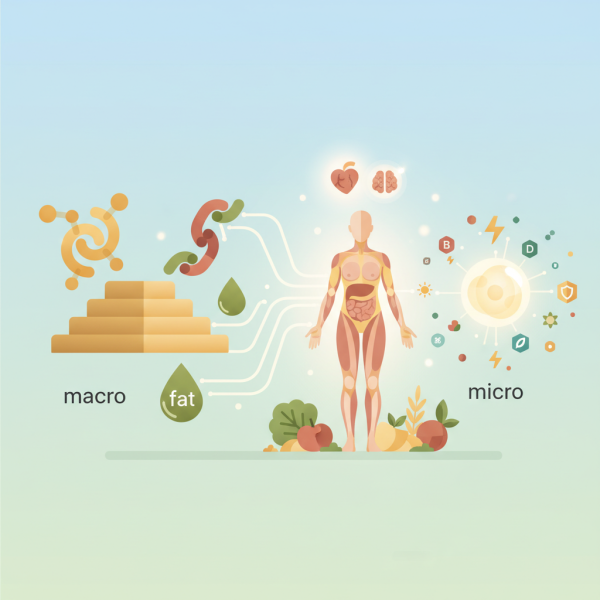
It is tempting to focus on one group over the other, but optimal health hinges on the synergistic relationship between macronutrients and micronutrients. Macronutrients provide the bulk energy and structural components, while micronutrients act as the crucial facilitators and regulators that allow those macros to be properly utilized and for all physiological processes to occur smoothly. Without sufficient micronutrients, the body cannot efficiently convert macronutrients into energy, build and repair tissues effectively, or maintain robust immune function.
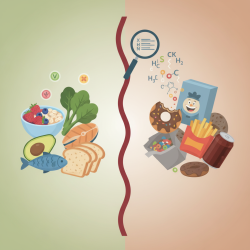
The concept of "nutrient density" becomes paramount here. This refers to the amount of nutrients (vitamins, minerals, fiber) a food provides relative to its calorie content. Prioritizing nutrient-dense foods, which are typically whole, unprocessed foods, ensures you are getting a rich array of both macros and micros without excessive calories. Conversely, relying heavily on calorie-dense but nutrient-poor processed foods can lead to "hidden hunger" – consuming enough calories but lacking essential micronutrients, which can eventually manifest as fatigue, weakened immunity, and chronic disease.
A balanced and varied diet, rich in fruits, vegetables, whole grains, lean proteins, and healthy fats, is the most effective strategy for ensuring adequate intake of all essential macronutrients and micronutrients. Supplementation might be beneficial in specific cases (e.g., vitamin D in winter, iron for certain individuals, B12 for vegans), but it should complement, not replace, a wholesome diet. Understanding these building blocks empowers individuals to make informed choices that fuel their bodies efficiently and sustainably for long-term health and vitality.
Summary
In summary, understanding macronutrients and micronutrients is foundational to comprehending nutrition and its impact on health. Macronutrients—carbohydrates, proteins, and fats—provide energy and structural components, each playing distinct roles from fueling daily activities to building and repairing tissues. Micronutrients, comprising vitamins and minerals, though required in smaller amounts, are indispensable catalysts for countless metabolic processes, immune function, and overall physiological balance. Both categories work in concert; macronutrients cannot be effectively utilized without the regulatory functions of micronutrients. Achieving optimal health necessitates a balanced and varied diet, focusing on nutrient-dense whole foods to ensure adequate intake of both the body's essential building blocks and its vital operational components.
Comprehension questions
 What are the three main types of macronutrients and their primary roles in the body?Differentiate between water-soluble and fat-soluble vitamins, providing an example of each.Why is it important to consume both major and trace minerals, and what role do they play?Explain the concept of nutrient density and why a varied diet is crucial for obtaining all necessary macros and micros.
Review Quiz
Next Lesson

Course Contents : Healthier Eating and Sustainable Weight Loss
- >> 1.
 A Guide to Macronutrients and Micronutrients