Strategies to Overcome Plateaus and Sustain Your Health Journey
- -->> 12. Strategies to Overcome Plateaus and Sustain Your Health Journey
What you'll learn
 Setting Realistic GoalsTracking Progress EffectivelyStrategies for Overcoming PlateausCultivating a Resilient Mindset
Embarking on a health journey is an admirable commitment, one that often begins with high enthusiasm and clear objectives. However, sustaining that initial burst of motivation can be challenging as weeks turn into months, and the path inevitably presents its share of obstacles. It's common for individuals to experience periods where progress seems to slow, or even stall completely—a phenomenon known as hitting a plateau. These moments can be incredibly disheartening, leading to frustration, self-doubt, and the temptation to abandon your efforts altogether. Understanding why these plateaus occur and equipping yourself with effective strategies to navigate them is crucial for long-term success. This article will delve into practical techniques to reignite your motivation, break through common challenges, and ensure your health journey remains a fulfilling and sustainable pursuit.
The Reality of the Health Journey: Ups and Downs
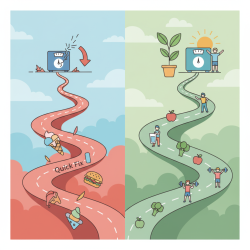
No health journey is a linear ascent. It's a dynamic process filled with peaks of rapid progress and valleys of slower advancement. Acknowledging this inherent variability from the outset can help manage expectations and prevent discouragement when challenges arise. Physical adaptations, metabolic changes, and psychological factors all contribute to the ebb and flow of your journey. Recognizing that plateaus are a normal, even expected, part of the process can shift your perspective from one of failure to one of opportunity for adjustment and growth.
Setting Realistic Goals and Expectations
The foundation of sustained motivation lies in setting appropriate goals. Unrealistic or overly ambitious targets can quickly lead to burnout and a sense of inadequacy. Focus on creating objectives that are specific, measurable, achievable, relevant, and time-bound (SMART). Break down larger goals into smaller, manageable milestones that provide regular opportunities for celebration and reinforcement.
For instance, instead of aiming to "lose a lot of weight," try "lose 5 pounds in the next month by exercising 3 times a week and preparing healthy meals." This approach makes the journey less daunting and more actionable.
Tracking Progress Beyond the Scale
Many individuals become overly fixated on a single metric, such as body weight, which can be misleading and demotivating. Weight fluctuations can occur due to hydration levels, muscle gain, or hormonal shifts, masking genuine progress. To gain a more comprehensive view of your advancements, consider tracking a variety of indicators:
- Physical Measurements: Regularly measure your waist, hips, arms, and thighs to observe changes in body composition, even if the scale hasn't moved.
- Strength and Endurance: Note improvements in how much weight you can lift, how many repetitions you can perform, or how long you can sustain an activity.
- Energy Levels and Sleep Quality: Pay attention to qualitative improvements in your daily energy, mood, and the restful quality of your sleep.
- Clothing Fit: Notice how your clothes fit more comfortably or if you're dropping a size.
- Progress Photos: Taking pictures every few weeks provides a visual record of your transformation that can be incredibly motivating.
- Food and Exercise Journals: Documenting your intake and activity can reveal patterns and help identify areas for adjustment.
Strategies for Battling Plateaus
When progress stalls, it's a sign that your body has adapted to your current routine and requires a new stimulus. This is where strategic adjustments become vital. Simply pushing harder with the same routine often isn't the answer.
Consider these proactive steps:
- Re-evaluate Your Nutrition: Take an honest look at your diet. Are portion sizes creeping up? Are hidden calories from sauces, drinks, or snacks undermining your efforts? Small adjustments to macronutrient ratios or calorie intake can make a big difference.
- Shake Up Your Workout Routine: If you're consistently doing the same exercises, your body becomes efficient. Introduce new types of training (e.g., strength training, HIIT, yoga, cardio), vary the intensity, duration, or order of your exercises. "Muscle confusion" can reignite progress.
- Prioritize Rest and Recovery: Overtraining can be as detrimental as undertraining. Ensure you're getting adequate sleep (7-9 hours per night) and incorporating rest days. Stress management techniques like meditation can also aid recovery.
- Seek Professional Guidance: A qualified personal trainer, nutritionist, or health coach can offer an objective perspective, identify blind spots, and provide a tailored plan to overcome your specific plateau.
- Increase Non-Exercise Activity Thermogenesis (NEAT): Look for ways to be more active throughout your day beyond structured workouts. Take the stairs, park further away, stand more, or take short walking breaks.
Cultivating a Resilient Mindset
Your mental approach is just as important as your physical actions. A resilient mindset views challenges not as roadblocks, but as opportunities for learning and adaptation. Self-compassion is key; avoid harsh self-criticism when things don't go perfectly.
Remind yourself of your initial "why" – the core reasons you started this journey. This intrinsic motivation is a powerful fuel. Build a strong support system of friends, family, or online communities who understand and encourage your goals. Sharing experiences and receiving encouragement can provide a significant boost during challenging times. Celebrate non-scale victories, such as improved mood, better sleep, increased stamina, or a new personal record in the gym. These small triumphs reinforce positive behaviors and remind you of the holistic benefits of your efforts.
The Power of Routine and Consistency
While variety is important to break plateaus, a solid routine forms the backbone of a sustainable health journey. Consistent positive habits, even small ones, compound over time to create significant results. Develop a schedule that integrates your healthy eating and exercise activities into your daily life, making them non-negotiable appointments. However, be prepared for life to throw curveballs. The key is not rigid adherence, but flexible consistency—bouncing back quickly after a missed workout or an unhealthy meal, rather than letting it derail your entire effort.
Summary
Maintaining motivation and breaking through plateaus are inevitable challenges on any health journey, but they are entirely surmountable with the right strategies and mindset. By setting realistic goals, tracking diverse forms of progress, strategically adjusting your nutrition and exercise routines, prioritizing rest, and fostering a resilient mindset, you can navigate these common hurdles effectively. Remember that progress isn't always linear, and setbacks are opportunities for growth. Embrace flexibility, celebrate every victory, and leverage the power of consistent, positive habits to ensure your long-term success and well-being.
Comprehension questions
 What is a common challenge that individuals face on a long-term health journey, and how does acknowledging it help?Besides body weight, what are three other effective ways to track progress on a health journey?When hitting a plateau, what are two key strategies for adjusting your workout routine?Why is a resilient mindset and self-compassion considered crucial for long-term health journey success?
Community Poll
Next Lesson

Course Contents : Healthier Eating and Sustainable Weight Loss
- >> 12.
 Strategies to Overcome Plateaus and Sustain Your Health Journey