What to Carry and How to Pack Smartly
- -->> 3. What to Carry and How to Pack Smartly
What you'll learn
 Essential Backpack ContentsEffective Packing StrategiesWeight Distribution and ComfortPersonalizing Your Pack
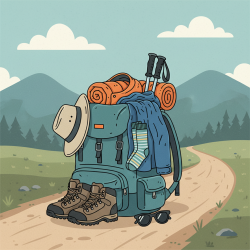
Whether you're embarking on a day trip, commuting to work, heading to school, or setting off on an epic adventure, your backpack is more than just a container; it's a mobile command center. The way you pack it can significantly impact your comfort, efficiency, and preparedness for whatever the day or journey throws at you. Mastering the art of smart packing means understanding not just what to bring, but also how to organize and carry your essentials effectively, turning potential hassles into smooth sailing. This guide will walk you through the fundamental principles of packing smartly, ensuring you're always ready and comfortable.
Why Smart Packing Matters
Many people underestimate the power of a well-packed bag. Overpacking leads to unnecessary weight and discomfort, while underpacking can leave you unprepared for unexpected situations. A strategically organized backpack ensures that crucial items are easily accessible, prevents damage to delicate gear, and distributes weight optimally to reduce strain on your body. It's about creating a harmonious balance between being prepared and remaining agile, making every movement efficient and every item purposeful.
The Essentials: What Every Backpack Needs
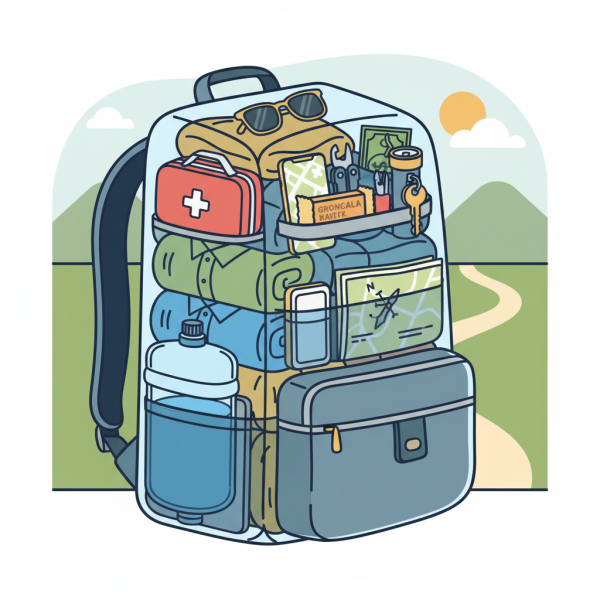
While the exact contents of your backpack will vary based on your specific activity and destination, a core set of essentials forms the backbone of preparedness. These items are universally useful and should be considered for almost any outing. Thinking about these categories can help you build your foundational packing list.
- Hydration: A reusable water bottle is paramount. Staying hydrated is key to energy and focus, regardless of your activity.
- First-Aid Kit: A small, basic kit with band-aids, antiseptic wipes, pain relievers, and any personal medications is non-negotiable for minor scrapes or ailments.
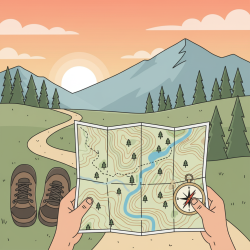
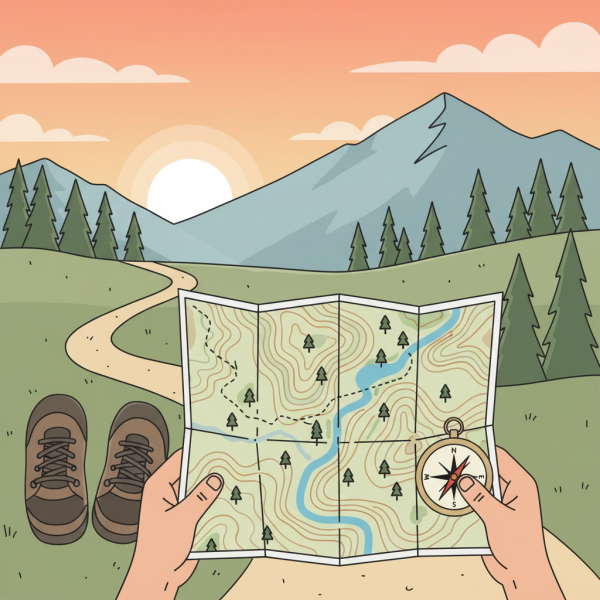
- Navigation: Your smartphone with downloaded maps, or a physical map and compass for wilderness excursions, ensures you always know your way.
- Snacks: Energy bars, nuts, or fruit can provide a crucial energy boost when hunger strikes, preventing drops in focus or mood.
- Multi-tool/Knife: A compact multi-tool can solve countless small problems, from opening packages to minor repairs.
- Power Bank & Cable: Keep your electronic devices charged, especially your phone, which is vital for communication and emergencies.
- Personal Documents: ID, keys, and a small amount of cash should always be readily available and securely stored.
- Light Source: A small flashlight or headlamp can be invaluable in low-light conditions or emergencies, even during the day.
- Sun Protection: Sunscreen, sunglasses, and a hat protect you from harmful UV rays, preventing discomfort and long-term damage.
- Layered Clothing: Depending on the climate, an extra layer like a light jacket or rain shell prepares you for unexpected weather changes.
Organizing Your Gear: Smart Packing Strategies
Once you have your essentials, the next step is to pack them in a way that maximizes space, protects items, and allows for easy access. Strategic organization is the difference between a functional backpack and a jumbled mess.
- Heavy Items First, Close to Your Back: Place your heaviest items (e.g., laptop, water reservoir, books) at the bottom and closest to your spine. This keeps the center of gravity high and tight, preventing your backpack from pulling you backward and reducing strain.
- Frequently Accessed Items on Top or in Outer Pockets: Items you'll need often, such as your phone, snacks, map, or wallet, should be in easily reachable spots. Use outer pockets, top pockets, or the very top of the main compartment.
- Roll or Fold Clothing: Rolling clothes tightly saves space and minimizes wrinkles more effectively than haphazard folding. Consider using packing cubes to compress clothes and categorize them.
- Utilize Small Gaps: Stuff socks, underwear, or small accessories into any empty spaces between larger items to maximize every cubic inch of your backpack.
- Protect Fragile Items: Wrap delicate items like electronics or cameras in clothing or padded pouches, and position them centrally within your pack for cushioning.
- Keep Liquids Separate: Place toiletries or anything that could leak in sealed, waterproof bags to prevent spills from damaging other contents.
Weight Distribution and Comfort
Beyond the internal organization, how your backpack sits on your body is crucial for comfort, especially over longer periods. Proper weight distribution prevents fatigue and potential injury.
Ensure your backpack's shoulder straps are snug but not too tight, and utilize the sternum strap to pull the shoulder straps closer, relieving pressure. If your backpack has a hip belt, engage it properly; a significant portion of the pack's weight should rest on your hips, not just your shoulders. Adjust compression straps on the sides to stabilize the load and prevent items from shifting, which can throw off your balance.
Weather Preparedness and Safety Items
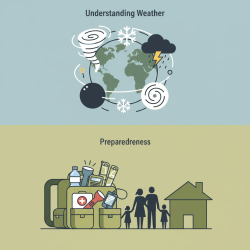
Never underestimate the impact of weather. A rain cover for your backpack is a small investment that can save all your contents from getting soaked. Consider waterproof stuff sacks for crucial electronics and documents. For outdoor adventures, an emergency whistle, a small mirror for signaling, or even a space blanket can be vital safety additions. Being proactive about potential weather changes or emergency scenarios ensures a safer and more enjoyable experience.
Beyond the Basics: Personalizing Your Pack
While the principles remain constant, your specific needs will always dictate the final contents of your backpack. A student's backpack will differ greatly from a hiker's or a business traveler's. Always consider the duration, purpose, and environment of your trip. Leave a little room for flexibility – perhaps a souvenir or an unexpected purchase – but avoid the temptation to overpack. Regularly review your pack's contents to shed unnecessary items and update essentials.
Summary: The Power of a Prepared Pack
Embracing the basics of smart packing transforms your backpack from a simple carrier into a powerful tool for preparedness and comfort. By understanding what essential items to carry, employing strategic organization techniques, and ensuring proper weight distribution, you enhance every journey. A well-packed backpack not only makes your life easier but also allows you to face the day or adventure with confidence, knowing you have what you need, exactly when you need it.
Comprehension questions
 What are three key benefits of smart packing mentioned in the article?List five essential items that every backpack should contain, according to the article.Explain the importance of placing heavy items low and close to your back when packing.How does the article suggest personalizing your backpack's contents beyond the basic essentials?
Review Quiz
Next Lesson
Course Contents : A Beginner's Guide to Hiking
- >> 3.
 What to Carry and How to Pack Smartly