- -->> 8. Selecting the Right Trails for Beginners
What you'll learn
 Assessing Personal ReadinessKey Trail Selection FactorsEssential Gear for BeginnersSafety and Enjoyment on Trails
Embarking on a hiking journey can be an incredibly rewarding experience, offering a chance to connect with nature, improve physical fitness, and enjoy serene landscapes. However, for those new to the activity, the sheer variety of trails can feel overwhelming. Choosing the right path from the outset is crucial for building confidence, ensuring safety, and fostering a lasting love for hiking. Starting with trails that match your current fitness level and experience will make all the difference, preventing frustration and potential injury.
Understanding Your Personal Readiness
Before you even begin looking at trail maps, take a moment to honestly assess your physical condition and comfort level with outdoor activities. Are you regularly engaging in physical exercise, or are you starting from a more sedentary lifestyle? Your current fitness baseline will heavily influence what kind of trail is appropriate for your first few outings. Consider any health conditions or mobility concerns that might affect your ability to walk for extended periods or navigate uneven terrain.
It is perfectly acceptable and wise to start small. There is no shame in beginning with gentle, flat paths and gradually working your way up to more challenging routes. The goal is enjoyment and gradual progression, not immediate conquest of the toughest trails.
Key Factors in Selecting Beginner-Friendly Trails
When evaluating potential trails, several key characteristics should guide your decision-making process. These factors directly impact the difficulty and enjoyment of your hiking experience, especially for beginners.
- Trail Length: Opt for shorter trails, ideally under 3-5 miles. This allows you to complete the hike without excessive fatigue and provides a good introduction to pacing yourself.
- Elevation Gain: Look for trails with minimal elevation gain. Flat or gently rolling terrain is much more forgiving on the muscles and joints than steep inclines, which can quickly exhaust a new hiker.
- Trail Surface: The ground you walk on matters significantly. Paved paths, well-maintained gravel trails, or smooth dirt paths are ideal. Avoid trails with extensive rocky sections, roots, mud, or stream crossings until you've gained more experience and confidence in your footing.
- Accessibility and Amenities: Trails located near urban areas or within established parks often have better signage, restrooms, and sometimes even visitor centers. These amenities can add a layer of comfort and security for first-timers.
- Popularity: While some seek solitude, starting on a moderately popular trail can offer peace of mind. Knowing there are other people around can be reassuring, especially if you're hiking alone or feel unsure about navigation.
Types of Beginner-Friendly Paths
Fortunately, there are many excellent options for new hikers. These types of trails are designed with ease of access and manageable conditions in mind, making them perfect starting points.
- Paved Paths and Urban Parks: Often found in cities and towns, these provide smooth, stable surfaces, perfect for getting used to walking outdoors. They typically feature clear signage and easy access to facilities.
- Rail Trails: These are old railway lines converted into multi-use paths. They are known for being long, flat, and wide, offering gentle grades and scenic views without demanding technical skills.
- Nature Walks and Interpretive Trails: Many nature centers and state parks offer designated "nature walks" which are usually short, well-maintained loops with educational signage about local flora and fauna.
- Short Loop Trails: Look for trails that form a loop and are only a couple of miles long. Loops minimize the chance of getting lost and often offer varied scenery without requiring a long commitment.
Always research the specific trail you plan to visit. Websites like AllTrails, state park sites, or local park district resources often provide detailed descriptions, user reviews, and difficulty ratings, which can be invaluable.
Essential Gear for Your First Hikes
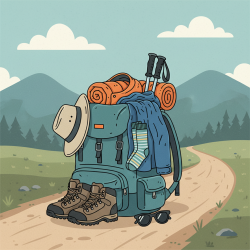
While you don't need a full mountaineer's kit for beginner trails, having a few essential items will enhance your comfort and safety. Proper preparation ensures a more enjoyable outing.
- Appropriate Footwear: Good quality athletic shoes or lightweight hiking shoes with decent tread and support are paramount. Avoid brand new shoes on a long hike, as they can cause blisters.
- Hydration: Always carry more water than you think you'll need. A reusable water bottle or a hydration pack is crucial, even for short walks.
- Layered Clothing: Dress in layers that can be easily added or removed as temperatures change. Opt for moisture-wicking fabrics over cotton, which stays wet and can make you cold.
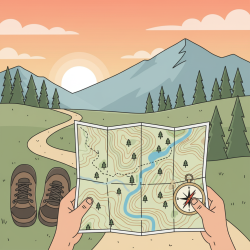
- Basic Navigation: Even on well-marked trails, it's wise to have a basic map (paper or downloaded on your phone) and know how to use it. A fully charged phone with a GPS app can also be very helpful.
- Snacks: Energy bars, fruit, or trail mix can provide a much-needed boost, especially if your hike takes longer than expected.
- Sun Protection: A hat, sunglasses, and sunscreen are important for protecting yourself from the sun's rays, even on cloudy days.
Safety First on the Trail
No matter how easy a trail appears, safety should always be your top priority. A few simple precautions can prevent most common issues and ensure a worry-free experience.
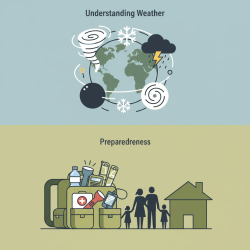
Always tell someone your hiking plans, including where you're going and when you expect to return. Check the weather forecast before you leave and be prepared for changing conditions. Stay on marked trails to protect both yourself and the natural environment. Listen to your body and know your limits; it's okay to turn back if you're not feeling well or if conditions become too challenging. Carrying a small first-aid kit for minor scrapes or blisters is also a smart idea.
Embracing the Journey
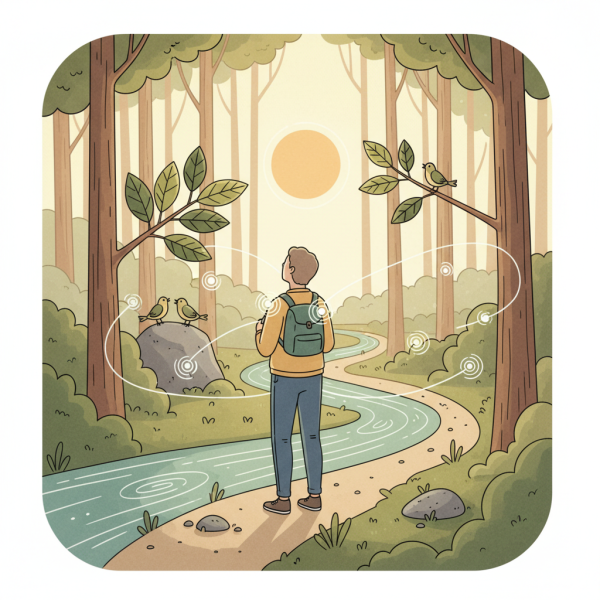
The most important aspect of choosing your path as a beginner is to embrace the experience. Don't focus solely on reaching the end of the trail or achieving a certain speed. Instead, take your time, observe the natural beauty around you, and enjoy the physical sensation of moving through nature. Hiking is a journey, not a race. Allow yourself to pause, take photos, and appreciate the peace and quiet of the outdoors. This mindful approach will make your initial hikes more fulfilling and build a strong foundation for future adventures.
Summary
Selecting the right trails as a beginner is fundamental to developing a positive and enduring relationship with hiking. By honestly assessing your physical readiness, considering key trail characteristics like length, elevation, and surface, and opting for beginner-friendly paths such as paved routes, rail trails, or short loops, you set yourself up for success. Essential gear like proper footwear, ample water, and layered clothing will enhance comfort and safety. Prioritizing safety through communication and awareness, while also allowing yourself to mindfully enjoy the journey, ensures that your initial steps into the world of hiking are both enjoyable and empowering, paving the way for countless future outdoor adventures.
Comprehension questions
 What are three key factors a beginner hiker should consider when selecting a trail?Name two types of beginner-friendly trails mentioned in the article and describe why they are suitable.Why is it important for new hikers to dress in layers and carry sufficient water?Besides physical preparation, what crucial safety step should a hiker take before embarking on a trail?
Community Poll
Next Lesson
Course Contents : A Beginner's Guide to Hiking
- >> 8.
 Selecting the Right Trails for Beginners