Mastering First Aid for Common Hiking Mishaps
- -->> 7. Mastering First Aid for Common Hiking Mishaps
What you'll learn
 First Aid Kit EssentialsCommon Trail InjuriesInjury Treatment TechniquesOutdoor Preparedness Mindset
Hiking and exploring natural landscapes offer unparalleled joy and adventure. However, even on well-maintained trails, minor mishaps can occur. From a simple twisted ankle to a pesky insect bite, being prepared to handle these incidents can make a significant difference in your comfort and safety. This article delves into the fundamentals of first aid for the trail, equipping you with the knowledge to assemble an effective kit, treat common injuries, and develop the confident mindset necessary for navigating minor outdoor emergencies with ease. Preparedness isn't about expecting the worst, but about ensuring you're ready for anything nature might throw your way.
The Foundation of Trail Safety: Why First Aid Matters
Hiking introduces inherent risks. Remote locations often mean delayed access to professional medical help. Therefore, the ability to administer immediate first aid for minor injuries is not just a convenience, but a crucial safety skill. It can prevent minor issues from escalating into serious problems, mitigate pain, and ensure a more comfortable and swift recovery. Understanding basic first aid empowers you to take control of a situation, providing crucial care for yourself or a hiking companion until further assistance can be sought or the incident is resolved.
Assembling Your Essential Trail First Aid Kit
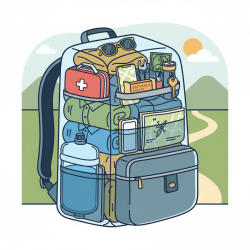
A well-stocked first aid kit is your portable lifeline on the trail. It should be tailored to the length and remoteness of your hike, but a core set of items remains universally important. Opt for lightweight, compact, and waterproof containers.
- Wound Care:
- Adhesive bandages (various sizes)
- Sterile gauze pads
- Antiseptic wipes or solution
- Medical tape
- Blister treatment (moleskin, hydrocolloid dressings)
- Gloves (non-latex)
- Medications:
- Pain relievers (ibuprofen, acetaminophen)
- Antihistamines (for allergic reactions)
- Topical anti-itch cream
- Personal prescription medications (if applicable)
- Tools & Miscellaneous:
- Small scissors or multi-tool
- Tweezers (for splinters, ticks)
- Safety pins
- CPR face shield
- Whistle (for signaling)
- Emergency blanket or bivy
- Duct tape (multi-purpose repairs)
- Hand sanitizer
Regularly check your kit to replace expired medications and restock used items.
Addressing Common Trail Injuries
Knowing how to use your kit is just as important as having it. Here's a brief guide to managing common minor trail mishaps:
Cuts and Abrasions:
Clean the wound thoroughly with antiseptic wipes and water if available. Apply pressure with sterile gauze to stop bleeding. Once clean and bleeding is controlled, apply an antiseptic ointment and cover with a sterile bandage. For deeper cuts, consider butterfly bandages or medical tape to hold edges together before bandaging, and monitor for signs of infection.
Blisters:
These are often caused by friction. If a blister is small and intact, cover it with moleskin or a specialized blister plaster to reduce friction. If it's large and painful, and you must continue hiking, sterilize a needle, puncture the edge, drain the fluid, and then cover it with an antiseptic and protective dressing. Do not remove the skin.
Sprains and Strains:
Often affecting ankles, knees, or wrists. Apply the R.I.C.E. method:
- Rest: Stop activity immediately.
- Ice: Apply a cold pack or snow (if available and properly insulated) to reduce swelling.
- Compression: Lightly wrap the area with an elastic bandage, ensuring it's not too tight.
- Elevation: Raise the injured limb above heart level if possible.
Seek professional medical advice if pain is severe, swelling is extensive, or the injury prevents weight-bearing.
Insect Bites and Stings:
Remove stingers if present (scrape with a credit card edge, don't squeeze). Clean the area. Apply an anti-itch cream or a cold pack to reduce swelling and discomfort. For allergic reactions, administer an antihistamine. If a severe allergic reaction (anaphylaxis) occurs, use an auto-injector if one is carried and seek immediate emergency medical help.
Beyond the Kit: Skills and Mindset
Possessing the right gear is only half the battle. Your knowledge and attitude are equally vital.
- Basic First Aid Training: Consider taking a wilderness first aid course. These courses provide hands-on experience and teach advanced techniques for scenarios you might encounter in remote settings.
- Situational Awareness: Always be aware of your surroundings, potential hazards, and the condition of yourself and your hiking partners.
- Communication: Inform someone of your hiking plans, including your route and expected return time. Carry a fully charged phone or a satellite communication device for emergencies, especially in areas with no cell service.
- Decision-Making: In an emergency, maintaining a calm and rational mindset is crucial. Prioritize safety, assess the situation, and make informed decisions based on your training and resources.
Practice and Prevention
Prevention is always better than cure. Wear appropriate footwear, dress in layers, stay hydrated, and know your physical limits. Regularly practice applying bandages or splints at home to become proficient. Simulating scenarios can build confidence and improve response times when real incidents occur. Familiarize yourself with every item in your kit and its intended use. Understanding basic human anatomy can also be incredibly beneficial for accurate injury assessment.
Summary:
Preparing for minor mishaps on the trail is an essential aspect of responsible outdoor recreation. By assembling a comprehensive first aid kit tailored to your adventures, understanding how to treat common injuries like cuts, blisters, sprains, and insect bites, and cultivating a proactive mindset through training and awareness, hikers can significantly enhance their safety and enjoyment. Prioritizing preparedness ensures that you are ready to confidently handle unexpected challenges, turning potential setbacks into manageable inconveniences and allowing you to fully embrace the beauty of the outdoors.
Comprehension questions
 What are the three most critical categories of items to include in a trail first aid kit?Describe the immediate steps for treating a minor cut or abrasion on the trail.Why is it important to carry a signaling device in your first aid kit, even for minor incidents?Besides physical items, what non-material aspects are crucial for effective first aid on the trail?
Review Quiz
Next Lesson

Course Contents : A Beginner's Guide to Hiking
- >> 7.
 Mastering First Aid for Common Hiking Mishaps