Planning Longer Hikes and Overnight Trips
- -->> 10. Planning Longer Hikes and Overnight Trips
What you'll learn
 Wilderness Trip PreparationEssential Backpacking GearRoute Planning & LogisticsLeave No Trace Ethics
Embarking on longer hikes and overnight trips transforms a simple walk into an immersive wilderness experience. While day hikes offer quick escapes, multi-day adventures demand a significant leap in preparation, skills, and self-sufficiency. Moving beyond the basics requires a comprehensive understanding of physical endurance, specialized gear, intricate logistics, and a profound respect for the natural environment. This guide delves into the essential considerations for planning and executing memorable and safe extended excursions into the backcountry.
The Foundation: Physical and Mental Preparation
Extended trips test both the body and mind. Your physical readiness directly impacts your safety and enjoyment. Begin with a training regimen that focuses on cardiovascular endurance, strength, and stamina. Include long walks with a loaded pack, incline training, and exercises targeting core strength and leg muscles. Consistency is key to building the necessary resilience.
Mental preparedness is equally vital. The wilderness presents unexpected challenges, from adverse weather and tricky navigation to physical fatigue and solitude. Cultivate problem-solving skills, adaptability, and a positive mindset. Practicing mindfulness and maintaining a realistic outlook on potential difficulties can significantly enhance your experience and ability to overcome obstacles.
Essential Gear for Extended Adventures
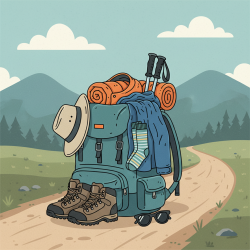
Your gear list for an overnight trip differs substantially from a day hike. Every item serves a purpose, balancing necessity with weight. Here are critical categories:
- Shelter: A lightweight, durable tent, tarp, or hammock system suitable for expected weather conditions. Consider ease of setup and packability.
- Sleeping System: A sleeping bag rated for the lowest expected overnight temperature and an insulated sleeping pad for warmth and comfort.
- Backpack: A properly fitted backpack with sufficient capacity (typically 40-70 liters for overnight to multi-day trips) to comfortably carry all your gear.
- Navigation: Physical map, compass, and a reliable GPS device or smartphone app with downloaded offline maps. Ensure you know how to use them all. Bring a power bank for electronics.
- Cooking System: A lightweight stove, fuel, cooking pot, and eating utensil. Plan meals that are calorie-dense, nutritious, and easy to prepare.
- Water Management: Water bottles or a hydration reservoir with sufficient capacity, along with a reliable water filter or purification tablets/drops. Know your route's water sources.
- First Aid Kit: A comprehensive kit tailored for extended trips, including blister treatment, pain relief, wound care, and any personal medications. Consider a wilderness first aid course.
- Clothing: A layering system is crucial. Include moisture-wicking base layers, insulating mid-layers, and waterproof/windproof outer layers. Always pack extra socks and a warm hat.
- Headlamp/Flashlight: With extra batteries. Essential for navigating in the dark or around camp.
- Emergency Items: Whistle, fire starter, knife/multi-tool, repair kit, communication device (e.g., satellite messenger).
Mastering Logistics and Route Planning
Careful planning of your route and logistical details can make or break your trip.
Route Selection: Research terrain, elevation changes, distance, and potential hazards. Choose a route appropriate for your group's skill level and fitness. Understand the typical weather patterns for the season you plan to hike. Be aware of any avalanche risk or flash flood potential.
Permits and Regulations: Many backcountry areas require permits for overnight stays or even day use. Research and obtain these well in advance. Familiarize yourself with local regulations regarding campfires, food storage, group size, and waste disposal.
Resupply Strategies: For very long trips, consider resupply points where you can access food and other necessities. This might involve caching supplies or coordinating with support teams. Plan your daily mileage realistically, accounting for elevation, pack weight, and trail conditions.
Emergency Preparedness: Always leave your itinerary with a trusted person, including your expected return time and contact information. Understand potential bail-out routes. Carry a fully charged communication device, such as a satellite messenger, for emergencies where cell service is unavailable.
Food and Water Management
Proper nutrition and hydration are paramount for sustained energy and safety. Plan your meals to be calorie-dense, lightweight, and non-perishable. Dehydrated meals, nuts, dried fruit, jerky, and energy bars are popular choices. Portion control is important to ensure you have enough food for the entire trip without carrying excessive weight.
Water is heavier than food, so efficient management is critical. Identify reliable water sources along your route. Always filter or purify water from natural sources to prevent waterborne illnesses. Carry enough water to bridge gaps between sources, especially in arid regions or during dry seasons.
Safety and Leave No Trace Principles
Your safety and the preservation of the wilderness are top priorities.
Share Your Plans: As mentioned, inform someone reliable of your exact itinerary, including entry and exit points, trail names, and expected return date. This is crucial for search and rescue efforts if you become overdue.
Weather Vigilance: Check the forecast frequently before and during your trip. Be prepared for sudden changes in mountain environments. Knowing when to turn back due to severe weather is a sign of good judgment.
Wildlife Encounters: Research local wildlife and understand how to react to encounters, especially with large predators like bears or mountain lions. Practice proper food storage to avoid attracting animals to your camp.
Leave No Trace: Adhere strictly to the seven principles of Leave No Trace. This includes planning ahead and preparing, traveling and camping on durable surfaces, disposing of waste properly (pack it in, pack it out), leaving what you find, minimizing campfire impacts, respecting wildlife, and being considerate of other visitors. These principles protect the natural beauty and ecological integrity of our wild spaces for everyone.
Summary
Transitioning to longer hikes and overnight trips requires a significant upgrade in preparation, skills, and environmental awareness. This article has covered the essential elements: building physical and mental resilience, selecting appropriate and comprehensive gear, meticulous logistical and route planning, effective food and water management, and unwavering commitment to both personal safety and the seven principles of Leave No Trace. By thoroughly addressing these aspects, adventurers can confidently and responsibly explore the backcountry, fostering deeper connections with nature and creating unforgettable experiences.
Comprehension questions
 What are the two main types of preparation emphasized for extended hiking trips?Name three essential gear categories that differ significantly from a day hike.Why is leaving your itinerary with a trusted person important for emergency preparedness?According to the article, what key aspects should be considered when managing food and water on an overnight trip?
Review Quiz
Next Lesson
Course Contents : A Beginner's Guide to Hiking
- >> 10.
 Planning Longer Hikes and Overnight Trips