Responsible Trail Etiquette for Outdoor Adventures
- -->> 6. Responsible Trail Etiquette for Outdoor Adventures
What you'll learn
 The Importance of Trail EtiquetteThe Pillars of Leave No TraceOn-Trail Conduct: Sharing the PathSafety and Preparedness: A Shared Responsibility
Venturing into nature's embrace offers unparalleled joy and tranquility. Whether it's the serene rustle of leaves, the crisp mountain air, or the breathtaking vistas, our trails provide a much-needed escape from daily life. However, with this privilege comes a collective responsibility: to preserve these natural wonders and ensure everyone's experience is positive and respectful. Trail etiquette is the unwritten code that guides our behavior in the outdoors, fostering harmony between humans, wildlife, and the environment. Adhering to these principles is not just a suggestion; it's a commitment to safeguarding our wild spaces for current and future generations of adventurers.
The Pillars of Leave No Trace
At the heart of responsible outdoor recreation are the seven Leave No Trace principles. These guidelines are designed to help minimize our impact on the environment, allowing nature to remain wild and untarnished. Understanding and practicing these principles is fundamental for anyone stepping onto a trail.
- Plan Ahead and Prepare: Research your destination, anticipate weather changes, pack appropriate gear, and know your limits. Proper preparation reduces the risk of emergencies and helps you make informed decisions that protect the environment.
- Travel and Camp on Durable Surfaces: Stick to marked trails and campsites. Walking off-trail can damage fragile vegetation, compact soil, and contribute to erosion. If backcountry camping, choose established sites or areas that show minimal impact.
- Dispose of Waste Properly: Pack it in, pack it out. This means everything, including food scraps, toilet paper, and pet waste. Dig catholes 6-8 inches deep and 200 feet from water sources, trails, and campsites for human waste.
- Leave What You Find: Allow others the joy of discovery. Do not take natural objects like rocks, plants, or artifacts. Avoid altering sites by building structures or carving on trees.
- Minimize Campfire Impacts: Use established fire rings or portable stoves. Keep fires small and burn all wood and coals to ash. Ensure fires are completely out and cool to the touch before leaving.
- Respect Wildlife: Observe animals from a distance. Never feed wildlife, as it can harm their health and alter their natural behaviors. Store food securely to prevent attracting animals to your campsite.
- Be Considerate of Other Visitors: Share the trail, keep noise levels down, and yield to others appropriately. Your actions can significantly impact the experience of those around you.
On-Trail Conduct: Sharing the Path
Trails are often shared spaces, and how we interact with fellow hikers, bikers, and equestrians is crucial for a harmonious outdoor experience. A little consideration goes a long way in ensuring everyone enjoys their time.
Right-of-Way Etiquette: Understanding who yields to whom prevents collisions and promotes courtesy. Generally, hikers yield to horses, and mountain bikers yield to both hikers and horses. Uphill hikers often have the right-of-way, as stopping and restarting can be more challenging for them. Always announce your presence when approaching others from behind, especially on blind turns.
Managing Noise Levels: The wilderness is a place of natural sounds. Keep voices at a moderate level, avoid playing loud music, and silence your phone. Respecting the tranquility allows everyone to immerse themselves in nature's ambiance.
Group Size and Spacing: Large groups can have a greater impact on trails and may intimidate wildlife. Keep groups to a manageable size, and if you are part of a larger party, spread out to avoid overwhelming others or damaging wide swaths of vegetation.
Pets on the Trail: If allowed, keep your pets on a leash at all times to protect them, wildlife, and other trail users. Always pack out pet waste. Not all people are comfortable around animals, and even well-behaved pets can startle wildlife or other hikers.
Safety and Preparedness: A Shared Responsibility
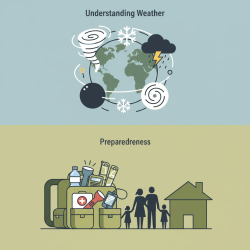
Being prepared for your hike not only ensures your own safety but also minimizes the burden on search and rescue teams and prevents potential issues for others on the trail. Carrying essential items and knowing your limits are paramount.
Always carry the ten essentials: navigation, headlamp, sun protection, first-aid, knife, fire starter, shelter, extra food, extra water, and extra clothes. Inform someone of your hiking plans and estimated return time. Stay hydrated and be aware of changing weather conditions. If you encounter someone in distress, offer assistance within your capabilities or alert authorities.
Summary
Trail etiquette is a comprehensive approach to enjoying the outdoors responsibly, encompassing respect for nature, wildlife, and fellow adventurers. By adhering to the Leave No Trace principles, practicing courteous on-trail conduct, and prioritizing safety and preparedness, we contribute to the preservation of our cherished wild spaces. These shared responsibilities ensure that everyone can experience the restorative power of nature, fostering a culture of mindful exploration that benefits both people and the planet for generations to come.
Comprehension questions
 What are the seven Leave No Trace principles, and why are they important for minimizing environmental impact?Describe the general right-of-way etiquette on trails, specifically mentioning interactions between hikers, bikers, and horses.What are the critical guidelines for bringing pets onto trails, and why are these rules important?List and briefly explain the purpose of at least five of the ten essential items recommended for trail safety.
Review Quiz
Next Lesson

Course Contents : A Beginner's Guide to Hiking
- >> 6.
 Responsible Trail Etiquette for Outdoor Adventures