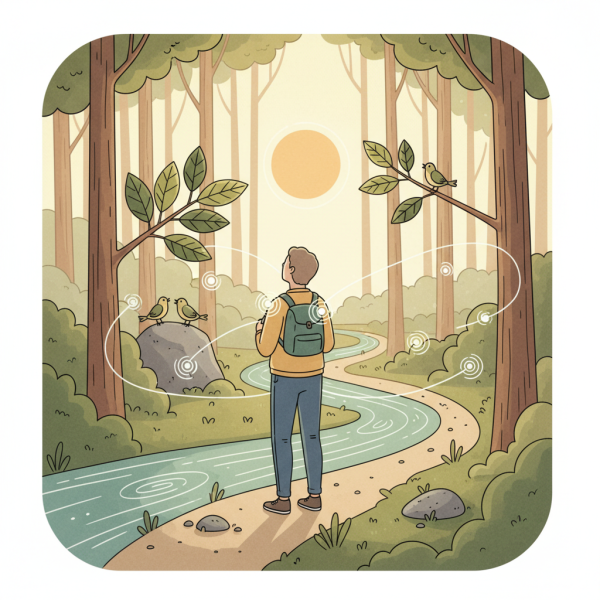
Enhancing Nature Observation Through Conscious Hiking
- -->> 9. Enhancing Nature Observation Through Conscious Hiking
What you'll learn
 Mindful Presence in NatureSensory Engagement OutdoorsDeepening Nature ConnectionOvercoming Trail Distractions
Hiking is often seen as a physical endeavor, a way to exercise the body and challenge oneself against the terrain. However, the true potential of spending time in nature extends far beyond calorie burning and scenic vistas. By incorporating mindfulness and intentional observation, hikers can transform a simple walk into a profound experience, fostering a deeper connection with the natural world and reaping significant mental and emotional benefits. This approach encourages a conscious engagement with the environment, turning every rustle of leaves and every distant bird call into an opportunity for presence and appreciation.
The Essence of Mindful Hiking
Mindful hiking is about being fully present in the moment, using all your senses to engage with your surroundings without judgment or distraction. It’s a deliberate shift from simply passing through a landscape to actively participating in its unfolding. Unlike traditional hiking, which might focus on speed or distance, mindful hiking prioritizes the quality of the experience, encouraging a slower pace and an open, receptive mind.
This practice cultivates a heightened awareness, allowing you to notice details that might otherwise be overlooked. The benefits are extensive: reduced stress and anxiety, improved focus, enhanced creativity, and a profound sense of peace. It's an opportunity to quiet the internal chatter and tune into the subtle rhythms of nature, fostering a sense of interconnectedness.
Preparing for a Mindful Journey
Before you even step onto the trail, thoughtful preparation can set the stage for a truly mindful experience. This goes beyond packing water and snacks; it involves mental and physical readiness to embrace the present moment.
- Leave Devices Behind: Whenever possible, consider leaving your smartphone in your bag or on airplane mode. The constant urge to check messages or capture the perfect photo can pull you away from the immediate experience.
- Wear Comfortable Gear: Ensure your clothing and footwear are appropriate for the weather and terrain. Discomfort can be a significant distraction, making it harder to focus on nature.
- Choose a Suitable Trail: Opt for a trail that matches your fitness level and allows for a relaxed pace. A challenging ascent might be invigorating, but a gentler path can be more conducive to quiet observation.
- Set an Intention: Before starting, take a moment to set an intention for your hike. This could be to simply observe, to feel grounded, or to practice gratitude.
Mental preparation also involves cultivating an open mind and a sense of curiosity. Approach the trail not with expectations, but with a readiness to discover whatever presents itself.
Engaging Your Senses: The Art of Observation
The core of mindful hiking lies in actively engaging your senses. Nature offers a rich tapestry of sensory input, waiting to be explored.
Sight: Slow down and truly see. Notice the intricate patterns on a leaf, the varying shades of green, the texture of tree bark, or the way sunlight filters through the canopy. Look for the subtle movements of insects or the distant flight of a bird. Challenge yourself to find something new with each gaze.
Sound: Close your eyes for a moment and listen intently. Distinguish between the rustle of leaves, the babbling of a stream, the chirp of different birds, or the distant hum of the wind. Notice the silence between sounds. How does the soundscape change as you move?
Smell: Inhale deeply. What scents does the forest offer today? The earthy aroma of damp soil, the sweet fragrance of wildflowers, the fresh scent of pine needles, or the subtle smell of rain approaching. Each breath can be an anchor to the present.
Touch: Feel the roughness of a tree trunk, the coolness of a smooth stone, the softness of moss underfoot, or the gentle breeze on your skin. Allow your hands and feet to connect with the textures of the natural world, bringing you more fully into the environment.
Taste: While direct tasting might be limited to edible berries if you're knowledgeable, you can "taste" the freshness of the air, the purity of water from a safe spring, or simply savor a mindful snack on the trail, fully appreciating its flavor and texture.
Deepening Your Connection with Nature
Beyond active sensory engagement, certain practices can further deepen your bond with the natural world. These techniques encourage prolonged presence and contemplation.
- The "Sit Spot" Practice: Find a comfortable spot off the main trail and simply sit silently for 10-20 minutes. Observe what happens around you without judgment. What animals appear? How does the light change? This practice hones observational skills and fosters patience.
- Silent Walking: Try walking for a period without conversation, focusing solely on your breath and the sensations of walking. This can be a profound way to connect with your own internal rhythms and the rhythms of the earth.
- Journaling Your Observations: Carry a small notebook and periodically jot down what you see, hear, smell, and feel. Describe colors, shapes, sounds, and your emotional responses. This reinforces observation and allows for reflection later.
- Learning About Ecosystems: A basic understanding of the plants, animals, and geological features of the area can enrich your experience, providing context and fostering a greater appreciation for the intricate web of life.
Overcoming Distractions and Staying Present
Even with the best intentions, our minds are prone to wandering. Distractions, whether internal thoughts about work or external noises, are natural. The key is how you respond to them.
When you notice your mind drifting, gently guide your attention back to your senses. Focus on the sensation of your feet on the ground, the sound of your breath, or a specific visual detail in front of you. There's no need for self-reproach; simply acknowledge the distraction and return to the present moment. Each time you bring your focus back, you strengthen your mindfulness muscle.
Remember that mindful hiking is a practice, not a destination. Some days will be easier than others. The goal is not to achieve perfect stillness, but to consistently and kindly bring your awareness back to the richness of the natural experience.
Summary
Mindful hiking and nature observation offer a transformative way to engage with the outdoors, moving beyond mere physical activity to a deep, sensory connection with the environment. By preparing mindfully, engaging all five senses, and practicing techniques like sit spots and silent walking, individuals can cultivate heightened awareness, reduce stress, and foster a profound appreciation for the intricate beauty of nature. Overcoming distractions through gentle redirection of focus is key to sustaining this enriching practice, ultimately leading to a more present and fulfilling outdoor experience.
Comprehension questions
 How does mindful hiking differ from traditional hiking in its primary focus?What are three key sensory practices recommended for enhancing nature observation during a hike?According to the article, what is the primary strategy for overcoming mental distractions while trying to stay present during a mindful hike?
Community Poll
Next Lesson

Course Contents : A Beginner's Guide to Hiking
- >> 9.
 Enhancing Nature Observation Through Conscious Hiking