Weather Awareness and Emergency Preparedness
- -->> 11. Weather Awareness and Emergency Preparedness
What you'll learn
 Weather AwarenessEmergency PlanningDisaster KitHome Safety
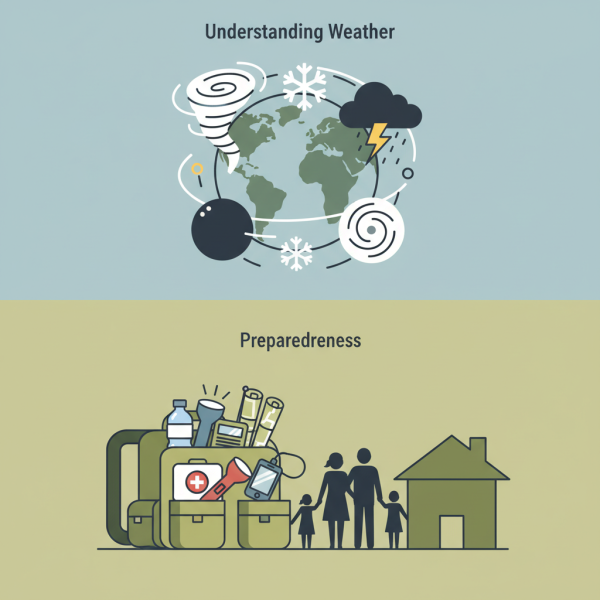
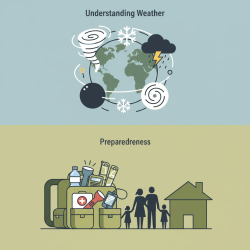
In an unpredictable world, understanding and preparing for severe weather events is not just prudent, it is a fundamental aspect of personal and community safety. From sudden thunderstorms to widespread blizzards, natural phenomena can strike with little warning, posing significant risks to life and property. Proactive weather awareness and comprehensive emergency preparedness are therefore essential tools, empowering individuals and families to mitigate potential dangers, respond effectively when disaster strikes, and recover more quickly in the aftermath. This article delves into the critical components of staying safe, focusing on how to monitor weather, create robust emergency plans, and assemble vital supplies.
Understanding Local Weather Risks
The first step in effective preparedness is to understand the specific weather hazards common to your region. Different geographical areas are prone to distinct types of severe weather. Coastal regions might face hurricanes and storm surges, while the Midwest experiences tornadoes and severe thunderstorms. Northern states often contend with blizzards and extreme cold, and areas near rivers or low-lying terrains are vulnerable to flooding. Knowing your local climate patterns and historical weather events allows for more targeted and effective preparation strategies.
Beyond geographical location, seasonal changes also dictate the types of weather threats. Spring and summer often bring thunderstorms, hail, and tornadoes in many parts of the world, while autumn can usher in hurricane season along certain coastlines. Winter, of course, introduces the risks of snowstorms, ice, and dangerously low temperatures. Maintaining a seasonal awareness helps you anticipate and prepare for the specific challenges each period presents.
Essential Weather Monitoring and Information
Staying informed is paramount. Reliable sources of weather information provide timely updates, warnings, and advisories that can be life-saving. Do not rely solely on one source; cross-referencing information ensures accuracy and completeness. Modern technology offers numerous avenues for monitoring weather conditions in real-time.
- NOAA Weather Radio: A dedicated weather radio with a tone alert feature provides continuous broadcasts of weather information directly from the National Weather Service, especially crucial during power outages.
- Local News and Broadcasts: Tune into local television and radio stations during severe weather for area-specific updates, school closures, and emergency instructions.
- Smartphone Apps and Alerts: Many reputable weather applications offer customizable alerts for severe weather warnings, lightning strikes, and precipitation. Ensure your phone settings allow for emergency alerts.
- Official Government Websites: Websites for national weather services or local emergency management agencies often provide detailed forecasts, safety tips, and preparedness guides.
Understanding the difference between a "watch" and a "warning" is critical. A weather watch means conditions are favorable for a particular severe weather event to develop in or near your area. This is the time to review your plan and prepare. A weather warning means a severe weather event is imminent or already occurring, requiring immediate action for safety.
Developing a Comprehensive Emergency Plan
A well-thought-out family emergency plan is the cornerstone of preparedness. It provides a clear course of action during an emergency, reducing confusion and panic. Every member of the household should understand the plan, including children who are old enough to comprehend basic instructions.
- Family Communication Plan: Establish how family members will contact each other if separated. Designate an out-of-state contact person who can relay messages if local lines are overwhelmed.
- Safe Places: Identify the safest place in your home for each type of hazard (e.g., basement or interior room for tornadoes, highest floor for floods).
- Evacuation Routes: Plan multiple escape routes from your home and neighborhood. Know your community's evacuation routes and shelters.
- Meeting Points: Designate an easily identifiable meeting place outside your home for sudden emergencies, and a secondary meeting place outside your neighborhood in case you cannot return home.
- Practice Drills: Regularly practice your plan, just like fire drills at school. This reinforces the steps and identifies any weaknesses in the plan.
Consider the needs of all family members, including pets and individuals with disabilities or special medical requirements. Ensure important documents, like identification, insurance policies, and medical records, are secured and easily accessible.
Building an Emergency Preparedness Kit
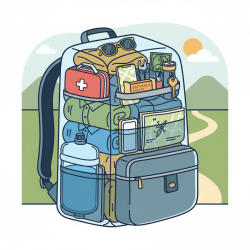
An emergency kit, often referred to as a "go-bag" or "72-hour kit," contains essential supplies to sustain your family for at least three days (72 hours) if you need to evacuate or if services are disrupted. This kit should be easily accessible and portable.
Key items to include:
- Water: One gallon per person per day for drinking and sanitation.
- Food: At least a three-day supply of non-perishable food items that require no cooking or refrigeration.
- First Aid Kit: Comprehensive kit with bandages, antiseptic wipes, pain relievers, and any necessary prescription medications.
- Flashlight and Batteries: Essential for power outages.
- Whistle: To signal for help.
- Dust Mask: To help filter contaminated air.
- Wrench or Pliers: To turn off utilities.
- Manual Can Opener: For canned food.
- Local Maps: In case GPS is unavailable.
- Cell Phone with Chargers/Power Bank: Keep devices charged.
- Personal Hygiene Items: Wipes, hand sanitizer, feminine hygiene products.
- Important Documents: Copies of insurance policies, identification, bank records in a waterproof, portable container.
- Cash: ATMs and credit card machines may not work during power outages.
- Sleeping Bag or Warm Blanket: For each person, especially in colder climates.
Remember to check and update your kit every six months, replacing expired food and water, checking battery life, and updating medications.
Home and Property Preparedness
Beyond personal kits, securing your home and property can significantly reduce damage and increase safety during severe weather. Simple actions taken before a storm can make a big difference.
Trim trees and shrubs regularly, especially those close to your house, to reduce the risk of falling branches. Clear gutters and downspouts to prevent water buildup and potential flooding. Secure loose outdoor items like patio furniture, trash cans, and garden tools, which can become dangerous projectiles in high winds. For areas prone to flooding, consider elevating critical appliances or storing valuable items on higher floors. Having emergency power sources, such as a generator, can also be invaluable, but ensure it is operated safely and according to manufacturer guidelines.
Summary
Staying safe through weather awareness and emergency preparedness is an ongoing commitment that empowers individuals and strengthens communities. By understanding local risks, actively monitoring weather conditions through reliable sources, developing and practicing a comprehensive family emergency plan, assembling a well-stocked preparedness kit, and taking proactive steps to secure your home, you can significantly enhance your ability to navigate the challenges posed by severe weather events. These actions collectively foster resilience, ensuring a safer and more secure future for everyone.
Comprehension questions
 Why is understanding local weather patterns important for emergency preparedness?Name three essential components that should be included in a family emergency plan.List at least five key items recommended for an emergency preparedness kit.
Review Quiz
Next Lesson

Course Contents : A Beginner's Guide to Hiking
- >> 11.
 Weather Awareness and Emergency Preparedness