Introduction to Underwater Photography
- -->> 1. Introduction to Underwater Photography
What you'll learn
 Challenges of Underwater PhotographyEssential Underwater GearTechniques for Underwater SuccessRewards of Marine Imaging
Venturing into the world of underwater photography is like stepping into another dimension, a realm of vibrant colors, mesmerizing creatures, and breathtaking landscapes hidden beneath the waves. It offers a unique opportunity to capture moments that few eyes ever witness, transforming the fleeting beauty of the marine environment into lasting images. However, this captivating pursuit comes with its own distinct set of challenges, demanding specialized equipment, refined techniques, and a deep understanding of the underwater world. This article will delve into the intricacies of underwater photography, exploring both the hurdles and the immense satisfaction of bringing the ocean's magic to light.
The Allure of the Deep
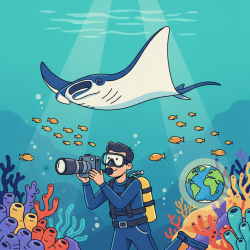
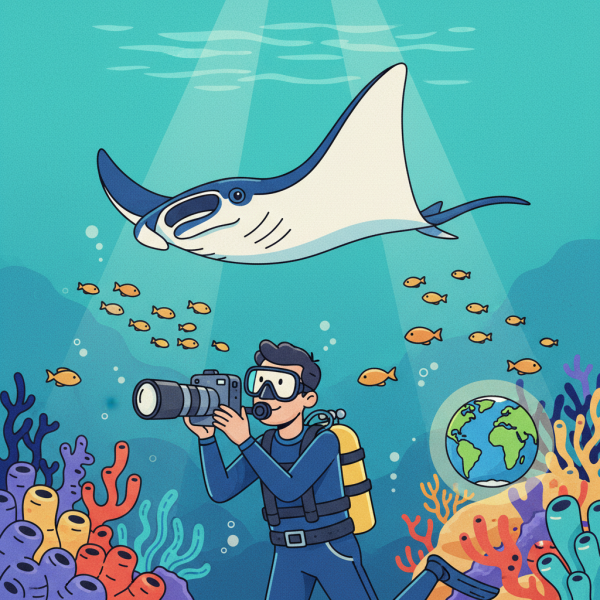
The ocean is a vast, mysterious canvas, teeming with life forms that defy imagination. From the intricate patterns of coral reefs to the graceful dance of manta rays, and the vibrant hues of tropical fish, every dive presents an opportunity for a new discovery. Capturing these moments allows photographers to share the often-unseen wonders of marine ecosystems with the world, fostering appreciation and a sense of stewardship for our planet's most critical natural resource. It's a journey into a realm of serene beauty and constant surprise.
Unique Challenges Beneath the Waves
Photographing underwater is vastly different from shooting on land, primarily due to the unique properties of water. Light behaves differently, visibility can be unpredictable, and the subjects themselves are often in motion. Overcoming these obstacles requires patience, specialized knowledge, and a commitment to continuous learning.
Environment
- Light Absorption and Color Loss: Water absorbs light, especially the red and yellow spectrums, causing everything to appear blue or green at depth. This necessitates artificial lighting to restore natural colors.
- Refraction and Magnification: Objects appear closer and larger underwater due to light refracting through water, which impacts focusing and composition.
- Particulate Matter: Suspended particles in the water can scatter light, creating backscatter in photos, especially when using a strobe too close to the lens.
- Buoyancy and Movement: Maintaining perfect buoyancy is crucial for steady shots and protecting the marine environment. Current can also make positioning difficult.
Equipment
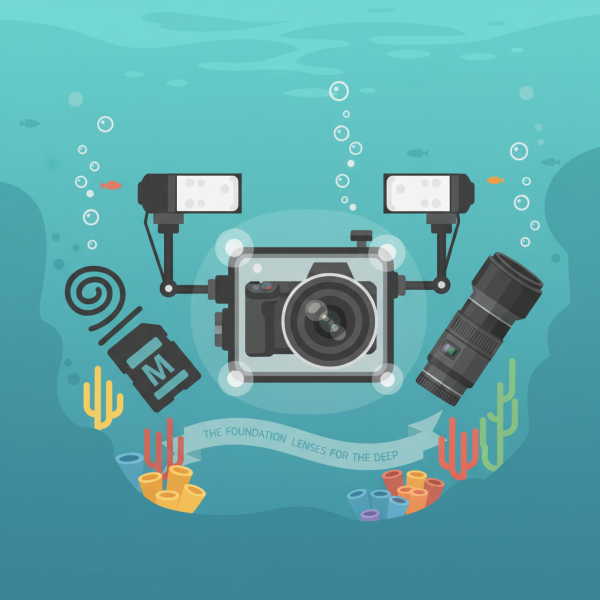
Underwater camera setups are complex. They require waterproof housings for cameras, external strobes or video lights for illumination, and specialized lenses. The bulk and weight of this gear, coupled with the need to manage cables and controls while submerged, add significant operational complexity compared to terrestrial photography.
Technique
Developing effective underwater techniques involves mastering buoyancy control, understanding how light interacts with water and subjects, and learning to approach marine life without disturbing it. Fast autofocus, precise exposure, and careful strobe positioning are paramount for capturing sharp, colorful images.
Essential Gear for Underwater Photography
A successful underwater photography journey begins with the right equipment. This specialized gear is designed to withstand the harsh marine environment while allowing photographers to capture stunning images.
- Camera and Housing: The heart of the system. While compact cameras with dedicated housings are a great starting point, serious enthusiasts often graduate to mirrorless or DSLR cameras housed in robust, pressure-rated waterproof cases. The choice depends on budget, desired image quality, and versatility.
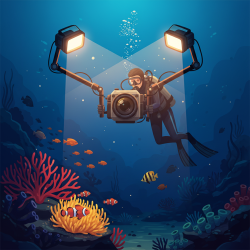
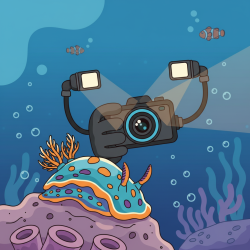
- Lighting: Essential for restoring color and creating dynamic images. External strobes (flashes) are used for still photography, providing a burst of light to illuminate subjects and bring back lost colors. Video lights offer continuous illumination for videography or as focus lights for still shots.
- Ports and Lenses: Different lenses require different ports on the housing. Wide-angle lenses are ideal for seascapes and large subjects, while macro lenses are used for tiny creatures, revealing incredible detail.
- Tray and Arms: These provide a stable platform for the camera housing and allow for flexible positioning of strobes or video lights, crucial for effective lighting and avoiding backscatter.
- Buoyancy Accessories: Floats and weights can be added to the setup to achieve neutral buoyancy, making it easier to maneuver and hold steady for shots.
Mastering the Art: Tips for Success
Beyond the gear, skill and understanding are key to capturing compelling underwater photographs. Developing these abilities takes practice and patience.
Buoyancy Control: Expert buoyancy is fundamental. It allows you to approach subjects slowly, maintain a stable position for sharp focus, avoid stirring up sediment, and protect fragile marine life. Practice hovering motionless and moving precisely in three dimensions.
Understanding Light: Learn how artificial light interacts with water. Position your strobes to illuminate your subject evenly and from angles that minimize backscatter. Experiment with different power settings and angles to achieve the desired effect, often aiming for side or slightly above lighting.
Patience and Observation: Marine life is unpredictable. Spend time observing your subjects, understanding their behavior, and anticipating their movements. Rushing can scare them away. Often, the best shots come from waiting calmly for the perfect moment or interaction.
Composition: Apply standard photographic composition rules, but adapt them for the underwater environment. Use the rule of thirds, leading lines, and negative space. Pay attention to backgrounds, ensuring they enhance rather than distract from your subject. Getting low and shooting upwards can create dramatic silhouettes against the surface.
Safety First: Never compromise your dive safety for a photo. Always monitor your air, depth, and bottom time. Be aware of currents and your surroundings. A good buddy system is essential, and always respect the marine environment – look but do not touch.
The Rewards of Underwater Photography
Despite the challenges, the rewards of underwater photography are profound and deeply satisfying. Each successful shot is a testament to perseverance and skill, a unique piece of art capturing the fleeting beauty of an alien world. The sense of accomplishment from mastering a complex skill set, combined with the joy of discovery, is truly unparalleled.
Furthermore, these images serve a vital purpose beyond personal gratification. They educate and inspire, bringing the beauty and fragility of marine ecosystems to a broader audience. Underwater photographers often become advocates for ocean conservation, using their work to highlight environmental issues and promote awareness, helping to protect the very subjects they passionately photograph.
Conclusion
Underwater photography is a thrilling and demanding art form that invites enthusiasts to explore and document the hidden marvels of our oceans. From navigating the complexities of light and buoyancy to mastering specialized equipment and respecting marine inhabitants, the journey is filled with learning opportunities and incredible experiences. The unique challenges are far outweighed by the profound rewards of capturing stunning images and contributing to a greater understanding and appreciation of the underwater world. For those willing to dive deep and embrace the intricacies, the ocean truly offers an infinite gallery awaiting discovery.
Comprehension questions
 What are two significant environmental challenges unique to underwater photography?Why is artificial lighting, like strobes, considered essential for capturing natural colors underwater?Besides a camera and housing, what are two other crucial pieces of equipment for an underwater photography setup?How does mastering buoyancy control contribute to both successful underwater photography and marine conservation?