Macro Photography Techniques Underwater
- -->> 6. Macro Photography Techniques Underwater
What you'll learn
 Underwater Macro GearLighting & CompositionAdvanced Macro TechniquesPost-Processing Workflow
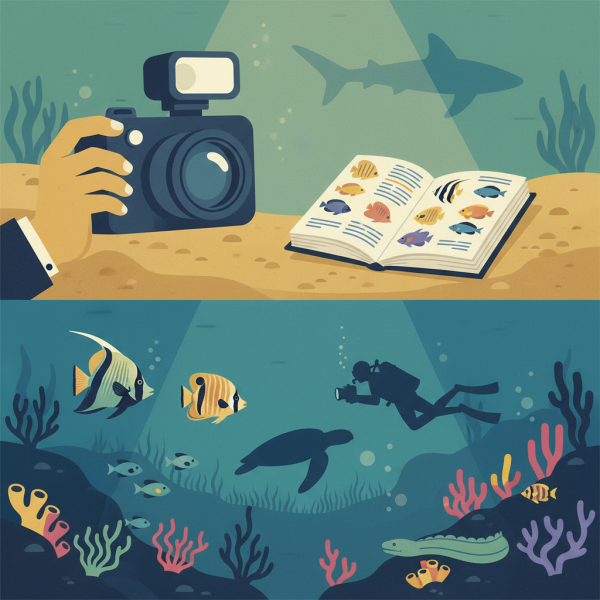
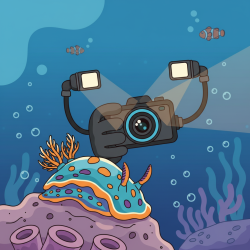
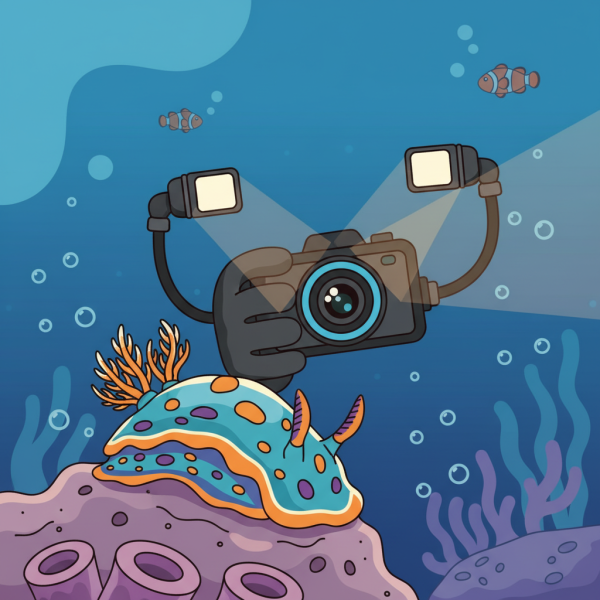
Underwater macro photography opens a fascinating portal into the miniature marvels hidden beneath the waves, revealing intricate details of marine life often unseen by the naked eye. This specialized field challenges photographers to capture the beauty and complexity of tiny creatures like nudibranchs, gobies, shrimp, and anemone polyps, transforming them into stunning, larger-than-life images. Mastering this art requires a blend of technical expertise, patience, and a deep appreciation for the delicate ecosystems being explored, promising a richly rewarding photographic journey into the microscopic world of the ocean.
The Allure of Underwater Macro
The ocean's smallest inhabitants possess an extraordinary beauty, vibrant colors, and unique behaviors that are often overlooked. Macro photography allows us to isolate these subjects, highlighting their textures, patterns, and expressions with incredible clarity. It's about bringing the unseen into focus, creating compelling narratives from tiny encounters.
Beyond aesthetics, macro photography serves an important role in marine conservation. By showcasing the intricate details of these creatures, it helps foster a greater understanding and appreciation for biodiversity, encouraging efforts to protect these vulnerable habitats. Each photograph can be a powerful tool for education and awareness.
Essential Gear for Underwater Macro
Successful underwater macro photography begins with the right equipment. This specialized gear helps overcome the unique challenges of shooting in a liquid environment with limited light and tiny subjects.
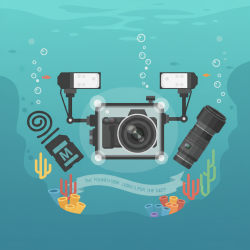
- Camera System: A mirrorless or DSLR camera in a sturdy underwater housing is fundamental. Look for systems that offer good low-light performance and a fast autofocus system.
- Macro Lens: This is the heart of macro photography. Popular choices for underwater use include 60mm and 100/105mm macro lenses. The 60mm offers a wider field of view, while the 100/105mm allows for more working distance from your subject.
- Close-Up Lenses (Diopters): These external lenses attach to your macro lens, increasing magnification. Wet-mount diopters are particularly versatile as they can be added or removed underwater.
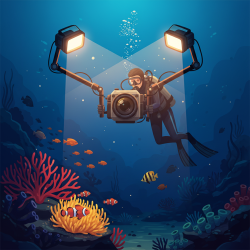
- Strobes/Video Lights: Essential for illuminating tiny subjects and restoring lost colors at depth. Two strobes provide even lighting and reduce harsh shadows. Focus lights are also crucial for accurate autofocus in dim conditions.
- Buoyancy Control: Excellent buoyancy control is paramount to avoid disturbing marine life and to achieve stable, sharp shots. Practice makes perfect.
Consider also accessories like snoots for creative lighting, and focus gears for manual focus precision.
Mastering Lighting and Composition
Lighting is arguably the most critical element in underwater macro. Without artificial light, subjects can appear flat and devoid of color. Strobes are key to bringing out vibrant hues and adding depth.
Strobe Placement: Experiment with different angles. Two strobes positioned slightly behind and to the side of the subject (backlighting) can create stunning rim-lighting effects. Frontal lighting is good for general illumination but can be flat. Side lighting adds texture and dimension. Avoid direct, head-on flash as it can cause backscatter.
Compositional Rules:
- Rule of Thirds: Place your subject off-center for a more dynamic image.
- Leading Lines: Use natural lines in the environment to draw the viewer's eye towards your main subject.
- Negative Space: Sometimes, less is more. Allowing open water around your subject can emphasize its isolation and detail.
- Eye Contact: Always aim for sharp focus on the subject's eye; it creates an instant connection with the viewer.
- Subject Isolation: Use a shallow depth of field to blur distracting backgrounds, keeping the focus entirely on your small creature.
Patience is a virtue when waiting for the perfect moment – a nudibranch extending its rhinophores, a shrimp cleaning its host, or a goliath crab showing its intricate shell.
Advanced Techniques and Considerations
To truly excel, delve into more refined techniques. Stack focus, for instance, involves taking multiple shots at slightly different focus points and combining them later to achieve extreme depth of field, which is challenging underwater but incredibly rewarding for static subjects.
Background considerations are also vital. A clean, uncluttered background enhances the subject. Look for interesting textures or colors that complement your marine creature without distracting from it. Sometimes, simply adjusting your shooting angle can turn a busy background into a smooth, aesthetically pleasing blur.
Understanding marine creature behavior is another advantage. Knowing where certain species hide, what they eat, and their typical movements can significantly increase your chances of a successful shot. Observe before you shoot, anticipating their actions.
Post-Processing for Perfection
The journey doesn't end when you surface. Post-processing is an integral part of underwater macro photography, refining your images to their full potential. This involves adjustments that correct color casts, enhance sharpness, and reduce noise.
Key post-processing steps include:
- White Balance Adjustment: Correcting the blue/green cast often found in underwater photos.
- Color Correction: Bringing out the true vibrant colors that were present underwater.
- Sharpening: Enhancing the details of your macro subject.
- Contrast and Exposure: Adjusting these to give your image punch and depth.
- Noise Reduction: Especially important for high ISO shots taken in low light.
- Cropping: Refining composition and removing distractions.
- Removing Backscatter: Carefully clone out any small bright particles caused by flash reflecting off suspended particles in the water.
Remember that post-processing should enhance, not fundamentally alter, the reality of your shot. The goal is to present the beauty you witnessed as accurately and impactfully as possible.
Summary
Underwater macro photography offers a unique opportunity to explore and document the hidden beauty of the ocean's smallest inhabitants. This article covered essential gear, including cameras, macro lenses, diopters, and crucial lighting with strobes. We delved into mastering lighting techniques, like strobe placement, and compositional rules such as the Rule of Thirds and focusing on eye contact. Advanced considerations like background management and understanding marine behavior were discussed, along with the critical role of post-processing for color correction, sharpness, and backscatter removal, ensuring your captivating close-up images truly shine.
Comprehension questions
 What are the three essential pieces of gear specifically mentioned for underwater macro photography?Why are strobes considered crucial for underwater macro photography?Besides the Rule of Thirds, what are two other compositional rules recommended for macro shots?What are the key post-processing steps discussed for refining underwater macro images?