Planning and Safety while Cooking in the Wilderness
- -->> 1. Planning and Safety while Cooking in the Wilderness
What you'll learn
 Camp Cooking BasicsWilderness Food SafetyOutdoor Gear SelectionLeave No Trace Principles
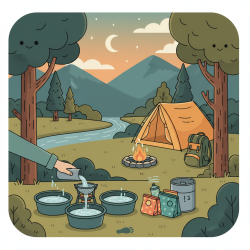
Embarking on a wilderness adventure often means leaving behind the comforts of a modern kitchen. However, this doesn't mean sacrificing delicious and nourishing meals. Camp cooking, at its heart, is about resourcefulness, planning, and prioritizing safety. Mastering the basics ensures that your culinary endeavors in the great outdoors are not only successful but also enhance your overall experience, providing the energy and morale needed for a memorable trip. Understanding how to prepare, cook, and store food responsibly in remote locations is crucial for both enjoyment and well-being.
The Foundation of Planning
Effective planning is the cornerstone of successful camp cooking. It begins long before you even pack your bags, focusing on efficiency, nutrition, and practicality. Consider the length of your trip, the number of people, and the type of activity you'll be undertaking, as these factors dictate your caloric and meal requirements.
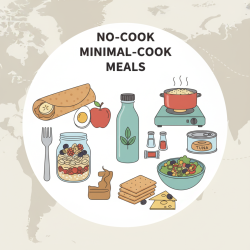
- Meal Planning: Design simple, balanced meals that require minimal ingredients and cooking steps. Think one-pot wonders or items that can be rehydrated. Account for breakfast, lunch, dinner, and snacks.
- Ingredient Selection: Opt for lightweight, non-perishable, and shelf-stable ingredients. Dehydrated or freeze-dried foods are excellent choices. Fresh items like vegetables or cheese can be brought for the first day or two, but their shelf life in the wilderness is limited.
- Portion Control: Measure out ingredients at home to avoid bringing excess weight and to minimize waste. This also ensures you have enough food without overpacking.
- Packaging: Repackage all ingredients into durable, waterproof, and lightweight containers or zip-top bags. Label everything clearly. Remove excess packaging to reduce trash.
Essential Gear for Your Wilderness Kitchen
The right equipment can make all the difference in your camp cooking experience. From cooking tools to food storage, choosing appropriate gear is vital for both functionality and safety.
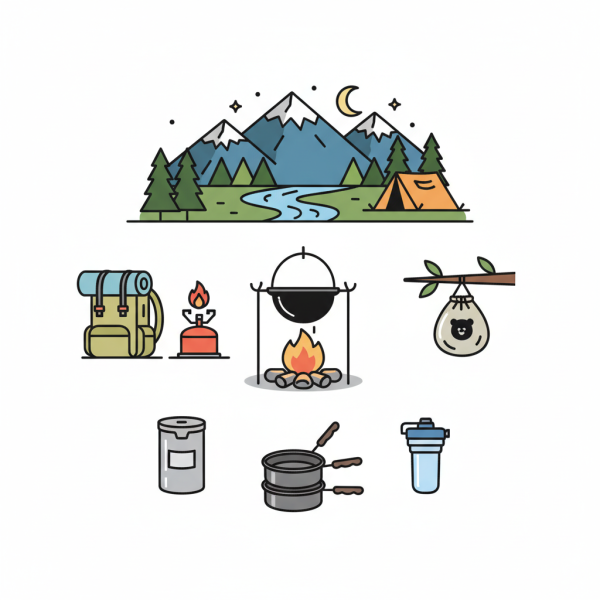
- Cooking Stoves: There are various types, including canister stoves (lightweight, easy to use), liquid fuel stoves (perform well in cold, high altitudes), and wood-burning stoves (rely on found fuel). Select one based on your trip's duration, conditions, and group size. Always carry sufficient fuel.
- Cookware: Lightweight pots, pans, and kettles made of aluminum or titanium are ideal. A basic set usually includes a pot with a lid, a frying pan, and a sturdy spoon or spatula. Don't forget mugs and eating utensils for everyone.
- Food Storage: Preventing wildlife encounters is paramount. Hard-sided bear canisters are mandatory in many areas. Otherwise, utilize bear bags and suspension systems to hang food, toiletries, and scented items securely away from camp. For car camping, coolers are essential for perishable items, kept out of direct sunlight and frequently replenished with ice.
- Cleaning Supplies: Pack a small amount of biodegradable soap, a scrubber or sponge, and a small towel. Always dispose of greywater properly, away from water sources.
- Water Purification: Reliable access to potable water is non-negotiable. Bring a water filter, purifier, or chemical treatment drops to ensure safe drinking and cooking water.
Prioritizing Safety in Camp Cooking
Safety is not an option; it is a necessity when cooking in the wilderness. Mishaps can quickly turn a pleasant trip into a dangerous situation.
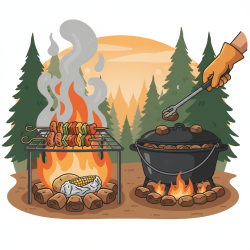
- Fire Safety: If using an open fire, ensure it is permitted and build it in a designated fire pit or on bare mineral soil. Keep a bucket of water and a shovel nearby. Never leave a fire unattended and ensure it is completely extinguished before leaving.
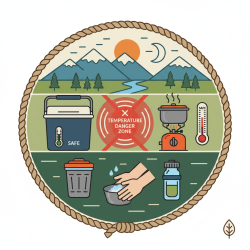
- Food Safety: Prevent foodborne illnesses by washing hands thoroughly, especially after handling raw meat. Keep raw and cooked foods separate. Ensure meats are cooked to safe internal temperatures. Refrigerate perishables promptly if using a cooler, or consume them quickly if not.
- Wildlife Awareness: All food, trash, and scented items must be stored securely at all times to avoid attracting animals. Cook at least 100 feet from your sleeping area and clean up immediately after meals. Never feed wild animals.
- First Aid: A well-stocked first aid kit is crucial. Be prepared to treat minor burns, cuts, and potential allergic reactions. Know how to recognize and respond to symptoms of foodborne illness.
Leave No Trace Principles for Camp Cooking
Adhering to Leave No Trace principles is fundamental for minimizing your impact on the environment and preserving the wilderness for others.
- Pack It In, Pack It Out: Everything you bring into the wilderness, including all food scraps and packaging, must be carried out. This means planning for a designated trash bag.
- Dispose of Waste Properly: This applies to human waste, but also to greywater from cooking. Disperse greywater at least 200 feet from water sources, campsites, and trails. Never bury food scraps; animals can dig them up.
- Minimize Campfire Impacts: Use established fire rings. Keep fires small. Only burn wood that can be broken by hand. Extinguish fires completely until cold to the touch.
Summary
Camp cooking in the wilderness is a rewarding skill that hinges on thorough planning, appropriate gear selection, and unwavering commitment to safety. By meticulously planning meals, choosing versatile equipment, practicing strict food handling, and respecting Leave No Trace principles, adventurers can enjoy delicious, safe, and environmentally responsible dining experiences in any outdoor setting. These fundamental practices not only ensure personal well-being but also contribute to the preservation of our natural spaces for future generations.
Comprehension questions
 What are the key considerations when planning meals for a wilderness trip?List three essential pieces of gear for a camp kitchen and explain why they are important.What are two critical food safety practices to prevent illness in the wilderness?How do Leave No Trace principles apply specifically to camp cooking activities?
Review Quiz
Next Lesson
Course Contents : Outdoor Cooking and Campfire Culinary Skills
- >> 1.
 Planning and Safety while Cooking in the Wilderness