Leave No Trace: Sustainable Campsite Management
- -->> 8. Leave No Trace: Sustainable Campsite Management
What you'll learn
 The Core of Leave No TraceEfficient Dishwashing MethodsResponsible Waste DisposalMaintaining a Clean Campsite
Embarking on an outdoor adventure offers unparalleled opportunities to connect with nature, but with this privilege comes the responsibility to protect and preserve these pristine environments. Adhering to Leave No Trace principles is fundamental for minimizing our impact, ensuring that the wild spaces we cherish remain intact for future generations. This guide will delve into efficient and responsible methods for managing campsite cleanliness, focusing on effective dishwashing techniques, proper waste disposal, and maintaining a tidy site from arrival to departure. By adopting these practices, every camper can contribute to a healthier, more sustainable outdoor experience for everyone.
The Core of Leave No Trace
Leave No Trace is a set of seven principles designed to help outdoor enthusiasts minimize their impact on the environment. While all principles are important, our focus here is on the practices directly related to campsite cleanup and waste management. Understanding and implementing these guidelines is not just about tidiness; it's about safeguarding ecosystems, preventing pollution, and preserving the natural beauty and solitude of the backcountry. Every action, no matter how small, contributes to the overall health of our natural landscapes.
Efficient Dishwashing Methods
Cleaning dishes in the wilderness requires a different approach than at home to protect water sources and avoid attracting wildlife. The goal is to minimize water usage, prevent food scraps from entering natural waterways, and use biodegradable products responsibly.
Before you even start washing, scrape all food particles from your plates and utensils into a trash bag. This is a critical first step, as it significantly reduces the amount of organic matter that would otherwise go into your wash water.
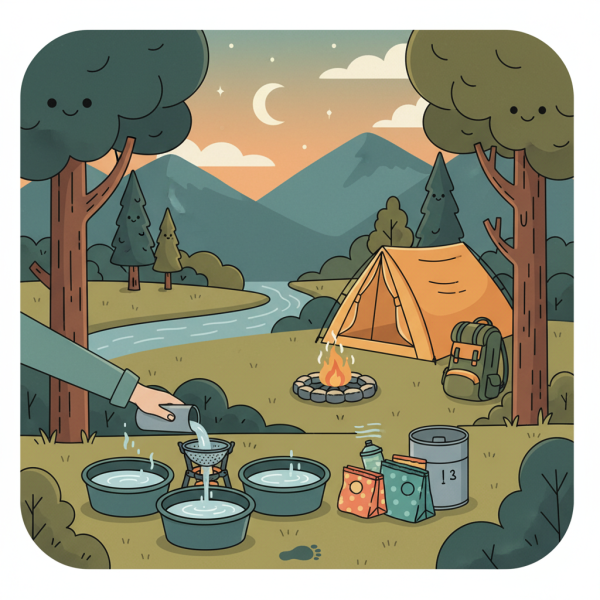
Utilize a three-basin system for optimal cleanliness and minimal environmental impact:
- Wash Basin: Fill a collapsible basin or pot with hot water and a few drops of biodegradable soap.
- Rinse Basin: Fill a second basin with clean, hot water for rinsing off soap residue.
- Sanitize Basin (Optional but Recommended): For longer trips or larger groups, a third basin with a small amount of diluted bleach or a sanitizing tablet can be used for an extra layer of cleanliness.
Wash dishes thoroughly in the wash basin, then rinse them in the rinse basin. Air dry them or use a dedicated dish towel that is packed out and cleaned at home. Never wash dishes directly in a lake, stream, or river. This introduces soap and food particles into vital water sources, harming aquatic life and water quality.
When disposing of greywater (the water used for washing and rinsing), it's crucial to strain out any remaining food particles. Use a fine-mesh screen or bandana to filter the water, then pack out the strained food scraps with your other trash. Scatter the strained greywater at least 200 feet (about 70 steps) from water sources, campsites, and trails. This allows the soil and vegetation to filter the water naturally, dispersing any biodegradable soap over a wide area and minimizing its impact.
Responsible Waste Disposal
The principle of "pack it in, pack it out" is paramount for waste disposal in natural areas. This means everything you bring into the wilderness, including all packaging, food scraps, and even hygiene products, must leave with you.
Minimizing waste starts before you even leave home. Repackage food into reusable containers, removing unnecessary packaging. Plan your meals to reduce leftovers and bring only what you need. Consider using reusable bags, bottles, and containers to cut down on single-use items.
When at the campsite, designate separate bags for different types of waste to make sorting easier upon return:
- Food Scraps: While some may seem "natural," items like orange peels, apple cores, and even bread can take a long time to decompose, attract wildlife, and are considered litter. Pack all food waste out.
- Recyclables: If possible, separate clean plastic, aluminum, and glass to be recycled at home.
- Non-Recyclables/Trash: All other garbage should be securely bagged to prevent odors and leakage, then packed out.
Human waste disposal also requires careful attention. In areas without facilities, dig a cathole at least 6-8 inches deep and 200 feet from water, trails, and campsites. Cover it completely after use. Pack out all toilet paper and hygiene products. In some fragile environments, or when conditions prevent digging, WAG bags (Waste Alleviation and Gelling) are required for packing out human waste.
Pet waste must also be packed out. Just like human waste, it can contaminate water sources and attract wildlife. Always bring bags for your pet's waste and carry them out.
Maintaining a Clean Campsite
A clean campsite is a safe campsite, both for humans and wildlife. Beyond disposing of waste, active maintenance throughout your stay contributes significantly to Leave No Trace ethics.
From the moment you arrive, practice good housekeeping. Store all food and scented items in bear-resistant containers or hung from a bear bag, even if large predators are not common in the area. Smaller critters like raccoons, mice, and birds can still be a nuisance and become habituated to human food, which can be detrimental to their health and lead to aggressive behavior.
Keep your sleeping area and cooking zones free of crumbs and food debris. Sweep out tents and communal areas regularly. Regularly inspect your site for any dropped items, especially small pieces of trash like bottle caps, twist ties, or food wrappers, often referred to as "micro-trash."
Before you depart, take the time for a thorough final sweep of your campsite. Walk through the entire area, including fire rings, tent pads, and surrounding vegetation, carefully scanning for any forgotten items or micro-trash. The goal is to leave the site looking as natural and undisturbed as when you arrived, or even better. Fill in any small holes, disperse matted down grass, and remove any rocks or branches you may have moved. Leave no trace of your presence behind.
Summary
Adhering to Leave No Trace principles is an essential aspect of responsible outdoor recreation. This article highlighted key strategies for efficient dishwashing, emphasizing the three-basin method and proper greywater disposal away from water sources. It also covered responsible waste management, stressing the "pack it in, pack it out" philosophy for all trash, including food and human waste. Finally, we explored maintaining a clean campsite through diligent food storage and a comprehensive final sweep to restore the area to its natural state. Implementing these practices ensures our wild places remain pristine for generations to come.
Comprehension questions
 What are the key components of the three-basin dishwashing system described in the article?How far away from water sources, campsites, and trails should strained greywater be scattered, and why?Besides waste disposal, what are two important practices for maintaining a clean campsite from arrival to departure?
Review Quiz
Next Lesson

Course Contents : Outdoor Cooking and Campfire Culinary Skills
- >> 8.
 Leave No Trace: Sustainable Campsite Management