Crafting Your Ideal Kitchen with Must-Have Cooking Equipment
- -->> 2. Crafting Your Ideal Kitchen with Must-Have Cooking Equipment
What you'll learn
 Choosing Cooking EquipmentTypes of StovesEssential Cookware MaterialsIndispensable Kitchen Utensils
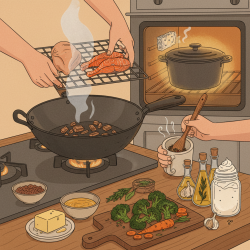
Embarking on any culinary journey, whether you're a seasoned chef or a budding home cook, necessitates the right tools. The vast world of cooking equipment can seem daunting, filled with countless options and specialized gadgets. However, at its core, a well-equipped kitchen relies on a foundation of essential gear designed for everyday functionality and efficiency. This detailed guide will navigate through the must-have cooking equipment, from the central heat source to the smallest utensil, providing insights on how to choose items that genuinely fit your specific cooking style, space, and budget, ensuring you build a kitchen ready for any gastronomic adventure.
What Drives Your Choices?
Before diving into specific items, it’s crucial to understand your personal cooking habits and environment. Are you cooking for one or a large family? Do you entertain frequently? Is your kitchen compact, or do you have ample storage? Your answers will significantly influence the type, size, and quantity of equipment you truly need.
- Cooking Frequency: Daily cooks might invest in higher-quality, durable items, while occasional chefs might prioritize versatility and affordability.
- Space Constraints: Small kitchens benefit from multi-functional tools and compact designs. Consider stackable pots or collapsible utensils.
- Dietary Habits: Do you bake often? Stir-fry? Sous vide? Your preferred cooking methods will dictate specialized pieces.
- Budget: Establish a realistic budget. It’s wise to invest more in foundational pieces like a good knife or a durable frying pan and save on less frequently used items.
Stoves and Cooktops
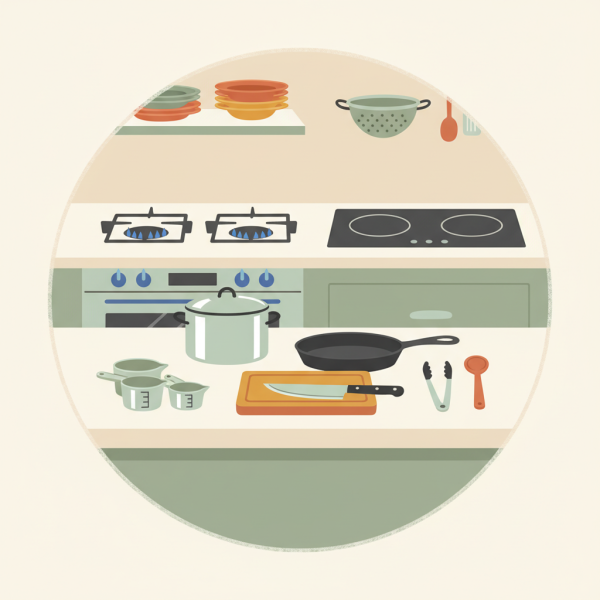
The stove is arguably the most critical piece of cooking equipment, providing the heat for nearly all your culinary creations. Understanding the different types is key to making an informed decision.
Gas Stoves
Gas stoves offer precise and instant heat control, a favorite among many professional chefs. The visible flame allows for immediate adjustments to temperature, which is excellent for delicate sauces or searing. They typically operate on natural gas or propane.
Electric Stoves
Electric stoves come in two main forms: coil and smooth-top radiant. Coil stoves are generally more affordable but can be harder to clean. Smooth-top radiant stoves offer a sleek aesthetic and are easier to wipe down, though they take longer to heat up and cool down than gas.
Induction Cooktops
Induction cooktops use electromagnetic fields to directly heat the cookware itself, making them incredibly energy- efficient, fast, and safe (the surface itself doesn't get hot, only the pan). They require special induction-compatible cookware, typically magnetic stainless steel or cast iron.
Portable Options
For small spaces, camping, or supplemental cooking, portable induction cooktops or single burner electric/gas stoves offer flexibility without requiring a full kitchen remodel. They are perfect for dorms, RVs, or outdoor events.
Pots, Pans, and Beyond
Once you have a heat source, you'll need vessels to cook in. A balanced set of cookware is vital.
Materials Matter
- Stainless Steel: Durable, non-reactive, and easy to clean. Often has an aluminum or copper core for better heat distribution. A workhorse for many tasks.
- Cast Iron: Excellent heat retention and even heating, ideal for searing, frying, and baking. Requires seasoning and specific care.
- Non-stick: Great for delicate foods like eggs and pancakes, requiring less oil. However, coatings can degrade over time and with high heat.
- Copper: Offers superb heat conductivity and precise temperature control, but can be expensive and requires more maintenance.
Core Cookware Pieces
Start with these versatile items to cover most cooking needs:
- Frying Pan/Skillet (8-12 inch): Essential for sautéing, searing, and frying. A good quality non-stick or cast iron pan is invaluable.
- Saucepan (2-4 quart with lid): Perfect for sauces, boiling eggs, heating soups, and cooking grains.
- Stockpot (6-12 quart with lid): Indispensable for boiling pasta, making large batches of soup, stock, or chili.
- Baking Sheet: For roasting vegetables, baking cookies, or warming food.
Utensils and Gadgets
Even the finest ingredients and best stove are ineffective without the right tools to manipulate them. These smaller items streamline your cooking process.
Knives: The Chef's Extension
A sharp, high-quality chef's knife (8-10 inch) is the cornerstone of any kitchen. Supplement it with a paring knife for smaller tasks and a serrated knife for bread or tomatoes. Good knife skills paired with sharp blades make cooking safer and more enjoyable.
Spatulas and Ladles
Silicone spatulas are versatile for scraping bowls and stirring. A slotted spatula is great for flipping. Ladles are necessary for serving soups and stews. Tongs are also indispensable for turning food and serving.
Measuring Tools
Accuracy is key in baking and many recipes. You'll need dry measuring cups, liquid measuring cups, and a set of measuring spoons. A kitchen scale is also excellent for precise measurements, especially in baking.
Cutting Boards
Invest in at least two cutting boards: one for raw meats and one for produce and cooked foods, to prevent cross-contamination. Wood, bamboo, and plastic are common materials, each with their pros and cons regarding hygiene and knife edge retention.
Other Small Essentials
Consider a whisk for mixing, a can opener, a vegetable peeler, a colander for draining, and a sturdy set of oven mitts. These seemingly minor items play a significant role in daily kitchen operations.
Personalizing Your Kitchen Arsenal
Ultimately, the "right" equipment is subjective and highly personal. Don't feel pressured to buy everything at once. Start with the essentials that align with your current cooking needs and gradually expand your collection as your skills and interests grow. Prioritize quality over quantity, especially for items you use frequently. Read reviews, consider warranties, and think about the longevity and versatility of each piece. A well-chosen piece of equipment is an investment that will pay dividends in culinary satisfaction.
Summary
Equipping your kitchen effectively means understanding your personal cooking habits, available space, and budget. This article detailed essential cooking equipment, starting with the foundational role of stoves—gas, electric, and induction—and their respective benefits. We then explored critical cookware, emphasizing material choices like stainless steel, cast iron, and non-stick, alongside core pieces such as frying pans, saucepans, and stockpots. Finally, we covered indispensable utensils and gadgets, including various knives, spatulas, measuring tools, and cutting boards, underscoring the importance of selecting quality items that suit your unique culinary journey to create an efficient and enjoyable cooking environment.
Comprehension questions
 What are the three main types of stoves discussed in the article, and what is a key characteristic of each?According to the article, what are four core pieces of cookware essential for most cooking needs?Why is it recommended to have at least two cutting boards, and what are common materials for them?What factors should one consider before purchasing cooking equipment to ensure it fits their needs?
Community Poll
Next Lesson
Course Contents : Outdoor Cooking and Campfire Culinary Skills
- >> 2.
 Crafting Your Ideal Kitchen with Must-Have Cooking Equipment