A Guide to Campfire Cooking Techniques
- -->> 3. A Guide to Campfire Cooking Techniques
What you'll learn
 Direct Flame CookingCooking with CoalsDutch Oven TechniquesCampfire Safety
There's an undeniable magic to cooking over an open fire. The crackle of burning wood, the smoky aroma wafting through the air, and the delicious taste of a meal prepared outdoors connect us to ancient traditions and offer a unique culinary adventure. Beyond merely roasting a marshmallow, mastering campfire cooking involves understanding and utilizing the different heat sources a fire provides: the intense heat of direct flames, the steady, even warmth of glowing coals, and the controlled environment of a Dutch oven. This guide will delve into these versatile techniques, equipping you with the knowledge to transform simple ingredients into unforgettable outdoor feasts.
The Fundamentals of Fire
Before any cooking begins, a well-built and safe fire is paramount. Selecting the right wood is crucial; hardwoods like oak or hickory burn longer, produce more consistent coals, and impart a pleasant smoky flavor, while softwoods burn hotter and faster, better for quick searing. Always ensure your fire pit is clear of flammable materials, and have water or a shovel nearby for emergencies. Understanding how to manage your fire – creating separate zones for high heat, medium heat, and coal production – is the first step toward versatile campfire cuisine.
Quick Searing and Smoky Char
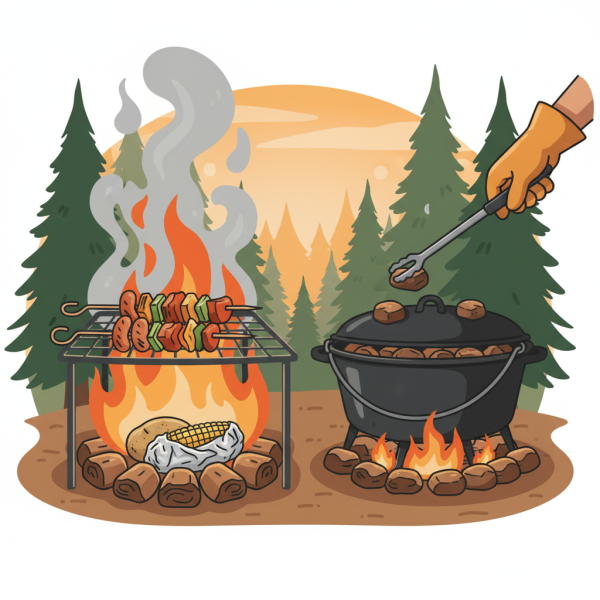
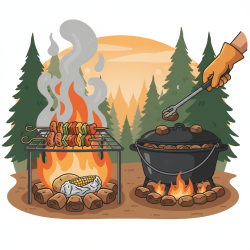
Direct flame cooking is exhilarating and delivers that quintessential smoky flavor. It's ideal for foods that cook quickly and benefit from high heat. Think about skewers of vegetables and meat, hot dogs, sausages, or even quick-searing steaks. The key here is attentiveness; food can burn quickly over direct flame. Use long-handled tongs and forks, and keep items moving to ensure even cooking.
Tips for Direct Flame Cooking:
- Elevate your cooking grate a few inches above the flames for better heat control.
- Marinate thinner cuts of meat and vegetables to prevent drying out.
- For items like fish or delicate vegetables, wrap them in foil first to protect against charring.
- Always monitor your food closely; flare-ups can occur suddenly.
The Art of Slow, Even Heat with Coals
Once your fire has burned down and produced a bed of glowing, ember-rich coals, a whole new world of cooking opens up. Coals provide a consistent, radiant heat that's perfect for slower cooking, baking, and roasting. This method is forgiving and allows for more hands-off preparation, making it excellent for foil-packet meals, baking potatoes, or even cooking larger cuts of meat wrapped in foil.
To cook with coals, simply rake a section of coals away from the main fire. You can place a cooking grate directly over them or bury foil-wrapped food directly within the embers. For indirect heat, banking coals to one side or creating a ring allows for slower, more controlled cooking, mimicking an oven environment.
Popular Coal Cooking Methods:
- Foil Packet Meals: Layer meat, vegetables, and seasonings in heavy-duty foil, seal tightly, and place directly on or in the coals.
- Baked Potatoes/Sweet Potatoes: Wrap individually in foil and bury directly in the hot coals until tender.
- Corn on the Cob: Wrap husked corn in foil with a pat of butter and seasonings, then place on the coals.
Dutch Ovens Cooking Outdoors
The cast-iron Dutch oven is arguably the most versatile tool in a campfire chef's arsenal. Its heavy construction and tight-fitting lid create an enclosed, even-heating environment, allowing you to bake, roast, fry, stew, and even make bread. The secret to Dutch oven success lies in understanding how to distribute coals both below and on top of the oven.
For baking (like cobblers or bread), you'll typically want more coals on the lid (about two-thirds) and fewer underneath (about one-third) to simulate an oven's top-down heat. For stews and roasts, a more even distribution of coals often works best. Experimentation is key, as ambient temperature and wind can affect cooking times. Always use a lid lifter and heavy-duty gloves to handle a hot Dutch oven.
From hearty stews and chili to perfectly baked cornbread and fruit cobblers, a well-seasoned Dutch oven can produce gourmet results in the wilderness. It requires practice to manage the heat, but the reward of a perfectly cooked meal from a humble cast-iron pot is immense.
Safety First
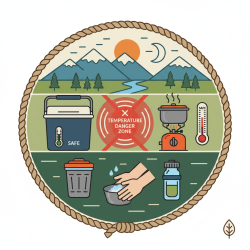
Regardless of the technique employed, campfire safety must always be your top priority. Ensure your fire is always attended, especially when cooking. Keep a clear perimeter around your cooking area. Use appropriate tools like long-handled tongs, heat-resistant gloves, and a lid lifter for Dutch ovens. Practice safe food handling by keeping raw meats separate from cooked foods and maintaining proper temperatures. Finally, always extinguish your fire completely and ensure coals are cold to the touch before leaving your campsite.
Embrace the Outdoor Culinary Adventure
Mastering campfire cooking is a journey that enhances any outdoor experience. By understanding the nuances of direct flame for quick searing, harnessing the steady heat of coals for slow cooking and baking, and utilizing the incredible versatility of a Dutch oven, you unlock a world of culinary possibilities. From simple grilled items to elaborate baked goods, these techniques transform ingredients into delicious, memorable meals, proving that a wilderness setting is no barrier to gourmet dining. Embrace the fire, experiment with flavors, and savor the unique joy of cooking under the open sky.
Comprehension questions
 What are the three primary campfire cooking techniques discussed?Why is understanding wood selection important for campfire cooking?Describe a dish best suited for direct flame cooking.What are the key benefits of using a Dutch oven for campfire cooking?
Review Quiz
Next Lesson
Course Contents : Outdoor Cooking and Campfire Culinary Skills
- >> 3.
 A Guide to Campfire Cooking Techniques