Food Safety in the Wild: Keeping Your Outdoor Meals Safe and Fresh
- -->> 7. Food Safety in the Wild: Keeping Your Outdoor Meals Safe and Fresh
What you'll learn
 Temperature ControlCross-Contamination PreventionProper PackagingWater Safety
Outdoor Food Safety
Embarking on outdoor adventures often involves the joy of eating amidst nature, whether it's a simple picnic, a multi-day camping trip, or a challenging backpacking expedition. However, the unique environments outside of our controlled home kitchens present distinct challenges for food safety and storage. Without refrigeration, running water, and sanitized surfaces readily available, the risk of food spoilage and foodborne illness increases significantly. Understanding and implementing best practices for keeping food fresh, preventing contamination, and ensuring safe consumption is not just about enjoying your meals; it's about safeguarding your health and ensuring a positive outdoor experience for everyone.
The Perilous Temperature Danger Zone
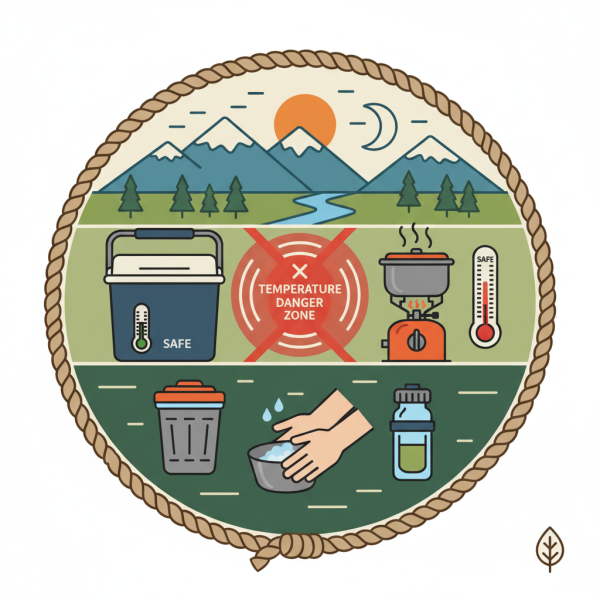
One of the most critical concepts in outdoor food safety is the "Temperature Danger Zone." This range, between 40°F (4°C) and 140°F (60°C), is where harmful bacteria multiply most rapidly. Perishable foods left within this zone for more than two hours (or one hour if the ambient temperature is above 90°F / 32°C) can quickly become unsafe to eat, even if they appear fine. The goal of all outdoor food storage is to keep cold foods cold and hot foods hot, ensuring they remain outside this dangerous temperature range for as long as possible.
Smart Packing for Outdoor Adventures
Effective packing begins long before you leave home. Thoughtful preparation can dramatically extend the life of your food and prevent spoilage.
- Pre-Trip Preparation: Freeze items like raw meat, poultry, and dairy products solid. These frozen items will act as additional ice packs, slowly thawing over time. Pre-cook meals at home and cool them completely before packing. Portion out ingredients into individual, sealed bags to minimize exposure and reduce waste. Label everything clearly with contents and dates.
- Insulation is Key: Invest in high-quality coolers and insulated bags. Pack coolers densely with ice blocks (which last longer than cubes) or gel packs. For multi-day trips, consider using two coolers: one for drinks and frequently accessed items, and another for more perishable foods that remains sealed as much as possible. Keep coolers out of direct sunlight and elevated off the hot ground.
Preventing Cross-Contamination
Cross-contamination is a leading cause of foodborne illness and occurs when bacteria from raw foods (especially meat, poultry, and eggs) spread to ready-to-eat foods or clean surfaces. Vigilance is essential in outdoor settings.
- Separate and Conquer: Always pack raw meats, poultry, and seafood in separate, sealed containers or double-bagged plastic bags to prevent their juices from leaking onto other foods. Use separate cutting boards and utensils for raw meats and cooked foods. If you only have one, thoroughly wash and sanitize it after raw meat use before preparing other items.
- Hand Hygiene: Wash your hands frequently with soap and potable water, especially after handling raw ingredients and before eating. If water is scarce, use an alcohol-based hand sanitizer (at least 60% alcohol) or sanitizing wipes.
Water Safety and Hydration
Access to safe drinking and cooking water is paramount for outdoor adventures. Untreated natural water sources can harbor harmful bacteria, viruses, and parasites.
Always carry enough safe water for drinking, cooking, and basic hygiene. When natural water sources must be used, employ reliable purification methods such as:
- Boiling: Bring water to a rolling boil for at least one minute (or three minutes at altitudes above 6,500 feet) to kill most pathogens.
- Filtration: Use a reputable water filter designed to remove bacteria and protozoa. Some advanced filters also remove viruses.
- Chemical Treatment: Water purification tablets (iodine or chlorine dioxide) are lightweight and effective, but require specific contact times.
- UV Purifiers: Portable UV light devices can neutralize microorganisms.
Use purified water for all food preparation, including washing produce, rehydrating dried meals, and washing dishes.
Outdoor Cooking and Consumption Practices
Proper cooking ensures that any present bacteria are destroyed. A food thermometer is an invaluable tool for ensuring meat reaches safe internal temperatures.
Cook all foods to their recommended internal temperatures. For instance, poultry should reach 165°F (74°C), ground meats 160°F (71°C), and whole cuts of meat 145°F (63°C) with a three-minute rest time. Consume cooked food promptly. If you must store leftovers, cool them rapidly and keep them at safe temperatures; however, in most outdoor scenarios, it is best to only cook what will be eaten immediately.
Protect food from pests and animals by storing it in sealed, critter-proof containers, especially overnight. Bear canisters or hanging food from trees are necessary in bear country.
Waste Management and Leave No Trace
Responsible waste management is not only an environmental concern but also a food safety one, as improper disposal can attract wildlife and spread pathogens.
Follow "Leave No Trace" principles: Pack out everything you pack in, including all food scraps, peels, and cores. Do not bury food waste, as animals will dig it up. Secure all trash in sealed bags and store it with your other food items to prevent attracting animals.
Summary
Ensuring food safety in outdoor environments requires careful planning, diligent execution, and an understanding of the unique challenges involved. By mastering temperature control, preventing cross-contamination, ensuring water purity, practicing safe cooking and consumption, and managing waste responsibly, you can minimize risks and fully savor your culinary experiences in the great outdoors. These best practices are fundamental to protecting your health and enhancing the enjoyment of every adventure.
Comprehension questions
 List two best practices for smart packing of food to keep it fresh during outdoor adventures.What are the main methods mentioned for purifying water for safe consumption in outdoor settings?Why is proper waste management important for both environmental protection and food safety in the outdoors?
Review Quiz
Next Lesson
Course Contents : Outdoor Cooking and Campfire Culinary Skills
- >> 7.
 Food Safety in the Wild: Keeping Your Outdoor Meals Safe and Fresh