Delicious and Practical Trail Lunch Ideas
- -->> 6. Delicious and Practical Trail Lunch Ideas
What you'll learn
 Portable Meal PlanningTrail Food EssentialsNon-Perishable Lunch OptionsEfficient Packing Techniques
Embarking on a hike or any outdoor activity is an exhilarating experience, a chance to reconnect with nature and challenge your physical limits. While breathtaking views and fresh air are often the main draw, a well-planned trail lunch is equally crucial for sustaining your energy and enhancing your enjoyment. Forget soggy sandwiches and heavy, cumbersome meals; the key to a successful mid-adventure refuel lies in portability, nutritional value, and, of course, deliciousness. This guide will explore a variety of satisfying lunch ideas designed to be easy to pack, simple to eat, and perfectly suited for your next trail adventure.
Why Pack Smart?
The right trail lunch does more than just fill your stomach; it recharges your body and mind, helping you push through the second half of your journey with vigor. A poorly chosen meal can leave you feeling sluggish, dehydrated, or even light-headed, detracting significantly from the overall experience. Smart packing ensures you have access to the nutrients you need without adding unnecessary weight or complexity to your expedition. It's about optimizing your energy levels and maintaining a positive attitude, no matter how challenging the terrain.
Considering the physical demands of hiking, your lunch needs to provide a balanced mix of carbohydrates for quick energy, protein for muscle repair, and healthy fats for sustained fuel. It also needs to withstand temperature fluctuations, jostling in a backpack, and be edible without needing extensive preparation or utensils on the trail. Thinking ahead about your meal not only boosts your performance but also contributes to a more enjoyable and safer outdoor adventure.
Key Considerations for Trail Lunches
When selecting your trail provisions, several factors come into play:
- Weight and Volume: Every ounce counts on the trail. Opt for nutrient-dense foods that offer maximum energy with minimal bulk. Avoid heavy items that add unnecessary strain to your pack.
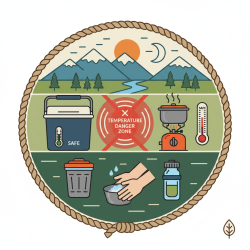
- Non-Perishability: Especially on longer hikes or in warmer weather, choose foods that don't require refrigeration. This prevents spoilage and potential foodborne illness, ensuring your meal remains safe to eat.
- Ease of Eating: Lunches that can be consumed with minimal fuss, ideally without cutlery, are perfect for quick breaks. Think finger foods or items that can be easily unwrapped and eaten on the go.
- Nutritional Value: Prioritize foods that provide sustained energy, a good balance of macronutrients, and essential vitamins and minerals. Complex carbohydrates, lean proteins, and healthy fats are your best friends.
By keeping these considerations in mind, you can craft a lunch that is both practical and deliciously satisfying, fueling your body efficiently without any drawbacks.
Classic Trail Lunch Ideas
Wraps and Tortillas
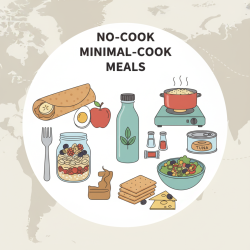
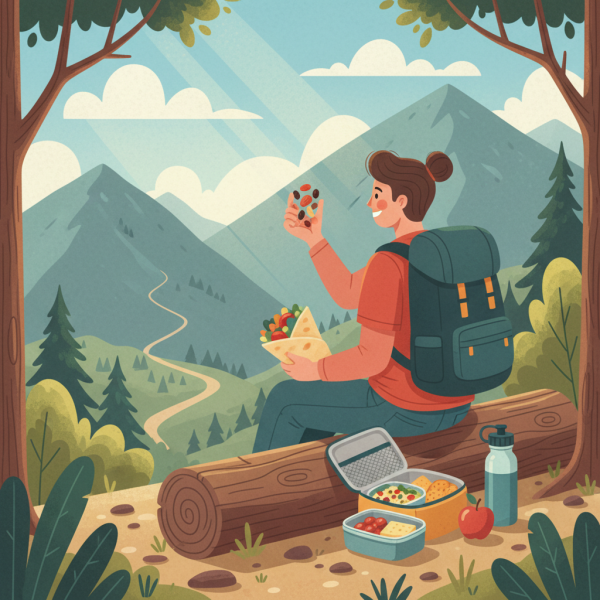
Wraps are a hiker's best friend. They are less prone to getting squished than traditional bread and offer endless possibilities for fillings. Start with whole wheat tortillas for added fiber and sustained energy. Fillings can include peanut butter and banana for a sweet and energizing option, or hummus with pre-cooked chicken or turkey slices and shredded carrots for a savory, protein-packed meal. Adding a sprinkle of cheese or some spinach can boost flavor and nutrients.
Another excellent wrap idea is a deconstructed salad wrap. Pack your greens, protein, and dressing separately, then assemble your wrap just before eating. This keeps everything fresh and prevents sogginess. For a Mediterranean twist, combine feta cheese, olives, sun-dried tomatoes, and a drizzle of olive oil. The key is to pack fillings that aren't overly wet to avoid making the tortilla mushy.
Hearty Sandwiches
While traditional sandwiches can get squashed, choosing the right bread and fillings can make them trail-worthy. Opt for sturdy, dense bread like bagels, pitas, or sourdough, which hold up better than soft sandwich bread. Fillings like hard cheeses, summer sausage, or salami are excellent choices as they are non-perishable and provide good protein and fat. Add mustard or a spread packed in a small, separate container to prevent the bread from getting soggy.
For a vegetarian option, a thick slice of avocado (if consumed early in the hike), along with roasted red peppers and spinach, makes a delicious and nutrient-rich sandwich. Remember to wrap sandwiches tightly in foil or reusable sandwich bags to offer some protection against compression in your backpack.
Beyond the Basics: Creative Options
Trail Charcuterie
Elevate your trail lunch with a portable charcuterie experience. Pack individually wrapped portions of hard cheeses like cheddar or Gruyère, alongside cured meats such as salami or pepperoni sticks. Add a small bag of whole-grain crackers, some dried fruit (apricots, figs), and a handful of nuts. This provides a diverse range of textures and flavors, making your lunch feel like a gourmet picnic on the go. It's easy to snack on throughout your break and requires no assembly.
Grain Salads
Pre-cooked grain salads are fantastic for the trail. Quinoa, couscous, or farro can be cooked ahead of time and mixed with robust vegetables like chopped bell peppers, cucumbers, cherry tomatoes, and chickpeas. Add a light vinaigrette (packed separately if preferred) and some feta or goat cheese for flavor. These salads are highly nutritious, provide complex carbohydrates, and hold up well without refrigeration for several hours, especially if packed in an insulated container.
Energy Bites and Bars
Homemade energy bites or bars are a superior alternative to store-bought versions, allowing you to control ingredients and avoid excessive sugars. Recipes often include oats, nut butter, honey or maple syrup, chia seeds, and dried fruit. These compact powerhouses are easy to pop into your mouth for a quick energy boost and are perfect for supplementing a lighter main lunch or as a mid-afternoon pick-me-up. They are durable and practically indestructible in your pack.
Hydration and Snacks
While lunch is important, don't forget about hydration and supplementary snacks. Always carry sufficient water, and consider electrolyte mixes for longer, more strenuous hikes. For snacks, fresh fruit like apples or oranges provides natural sugars and hydration, while trail mix offers a quick burst of energy from nuts and dried fruits. Protein bars, jerky, and even small portions of dark chocolate can also be excellent additions to keep your energy levels consistent throughout the day.
Having a variety of snacks ensures you can tailor your intake to your immediate energy needs, preventing bonking and maintaining your focus on the trail. These smaller items are also ideal for short breaks when a full meal isn't necessary, but a quick refuel is.
Packing Pointers
Proper packing is essential for a successful trail lunch:
- Use Resealable Bags and Containers: Divide your food into individual portions using resealable bags or lightweight, durable containers. This keeps items fresh and prevents leaks.
- Insulated Bags: A small insulated lunch bag or cooler can extend the freshness of perishable items, especially on warmer days. Include a small ice pack if necessary, but consider its weight.
- Separate Wet and Dry: Keep wet ingredients (like fruit or dressing) separate from dry ones (like crackers or bread) until you're ready to eat to prevent sogginess.
- Pack Out What You Pack In: Always carry out all your trash, including food scraps. Leave no trace and help preserve the beauty of the outdoors for everyone.
By following these simple packing guidelines, you ensure your lunch arrives at your eating spot in perfect condition, ready to be enjoyed.
Summary
Preparing an effective trail lunch transforms a simple break into a revitalizing segment of your outdoor journey. By prioritizing lightweight, non-perishable, and easy-to-eat options like wraps, grain salads, and energy bites, hikers can ensure sustained energy and enjoyment. Thoughtful packing, including the use of insulated bags and meticulous waste management, further enhances the trail experience, making every outdoor meal a satisfying success.
Comprehension questions
 What are the primary considerations when choosing food for a trail lunch?Name two classic trail lunch ideas and two more creative options mentioned in the article.Why is it important to consider food weight and spoilage when packing for a hike?What specific packing tips are recommended to keep food fresh and organized on the trail?
Review Quiz
Next Lesson
Course Contents : Outdoor Cooking and Campfire Culinary Skills
- >> 6.
 Delicious and Practical Trail Lunch Ideas