Mastering Exam Preparation: Strategies for Success and Stress Reduction
- -->> 5. Mastering Exam Preparation: Strategies for Success and Stress Reduction
What you'll learn
 Strategic ReviewStudy Guide CreationTest Anxiety ManagementEffective Time Allocation
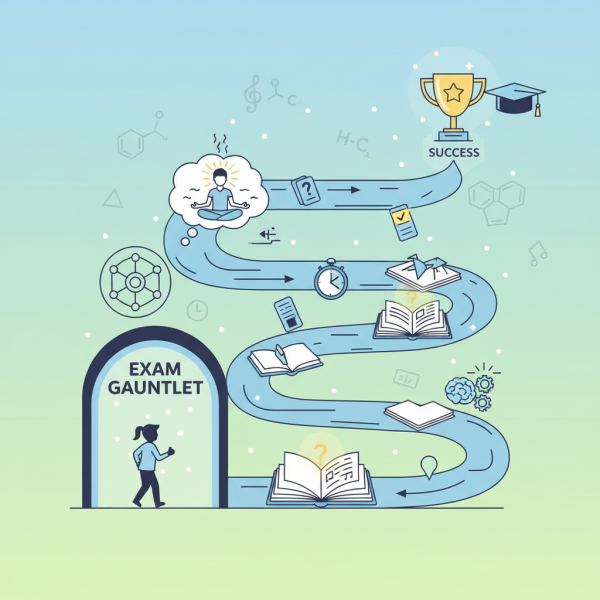
Exams are often a source of significant stress, yet they are also crucial milestones in our educational journey. Mastering effective exam preparation isn't just about memorizing facts; it's about developing robust strategies for reviewing complex material, creating invaluable study aids, and crucially, managing the inevitable test anxiety that can undermine even the most diligent efforts. This article will delve into practical, actionable techniques designed to transform your approach to studying, ensuring you not only understand the content but can also confidently demonstrate your knowledge when it counts.
Strategic Review Techniques for Deeper Learning
Effective review goes far beyond passively rereading notes. To truly embed information into your long-term memory and understand its nuances, active engagement is paramount. Incorporating diverse strategies can significantly enhance your retention and recall.
Active Recall: Instead of merely highlighting or rereading, actively test yourself. After reading a section, close your book and try to recall key concepts, definitions, and examples from memory. You can use flashcards, self-quizzing, or simply articulating information aloud without looking at your notes.
Spaced Repetition: This technique involves reviewing material at increasing intervals over time. Forgetting is natural, but by re-engaging with content just before you're about to forget it, you strengthen memory traces. Tools and apps can help schedule these review sessions effectively.
Practice Tests and Past Papers: One of the most effective ways to prepare is to simulate the actual exam experience. Working through past exam papers or practice questions under timed conditions helps you understand the format, identify common question types, and manage your time more efficiently during the real test. It also highlights areas where your understanding might be weak, allowing for targeted review.
Elaboration: Connect new information to what you already know. Ask yourself “how” and “why” questions. Explain concepts in your own words or try to teach them to someone else. This process forces a deeper level of understanding and synthesis.
Crafting Effective Study Guides
Study guides are not just summaries; they are personalized learning tools that organize vast amounts of information into digestible formats. A well-constructed study guide can be a powerful asset in your preparation arsenal.
Condensing and Prioritizing: Start by reviewing your course syllabus, lecture notes, and textbook chapters. Identify the most important topics, concepts, and formulas. Don't just copy; synthesize and rephrase information in a way that makes sense to you. Focus on core ideas rather than exhaustive detail.
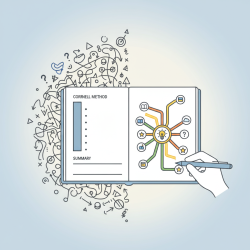
Visual Aids: Incorporate visual elements to make your study guide more engaging and memorable. Mind maps can help illustrate connections between different concepts. Flowcharts can break down complex processes into simple, sequential steps. Diagrams and tables can compare and contrast information effectively.
Bullet Points and Keywords: Use concise bullet points to list key facts and definitions. Highlight or bold important keywords. This makes the guide easy to scan and review quickly, aiding in rapid recall during last-minute checks.
Integrate Self-Quizzing: Turn your study guide into an active learning tool by including questions or blank spaces where you can fill in answers. This transforms passive reading into an interactive review session, testing your recall as you go.
Conquering Test Anxiety and Boosting Confidence
Anxiety can significantly impair performance, regardless of how well you've prepared. Managing test anxiety is as crucial as mastering the subject matter itself.
Preparation as a Foundation: The most potent weapon against test anxiety is thorough preparation. Knowing you've diligently studied and reviewed the material builds a strong sense of confidence that can mitigate nervous feelings. Adequate sleep in the days leading up to the exam also plays a vital role in cognitive function and emotional regulation.
Mindfulness and Breathing Techniques: When anxiety strikes, focus on your breath. Deep, slow breathing can activate your body's relaxation response. Practice mindfulness exercises to stay present and avoid getting overwhelmed by negative thoughts about past failures or future outcomes.
Positive Visualization: Before the exam, visualize yourself performing well. Imagine calmly reading the questions, confidently answering them, and feeling satisfied with your effort. Positive mental imagery can prime your mind for success.
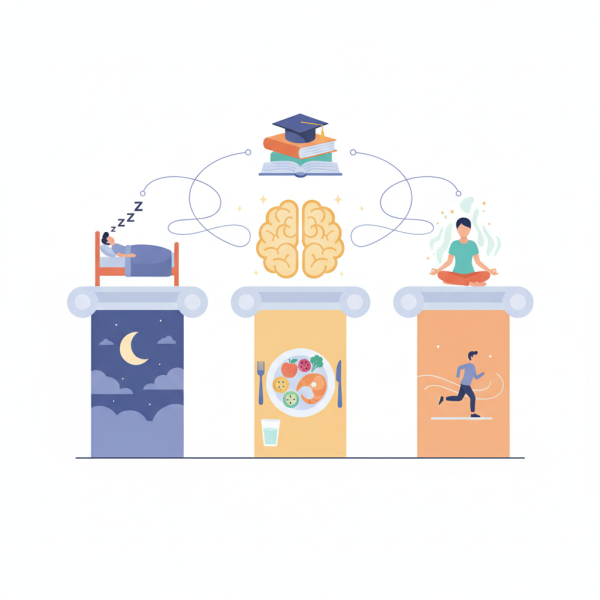
Physical Well-being: Don't underestimate the power of a healthy body. Ensure you get sufficient sleep, eat nutritious meals, and incorporate regular physical activity into your routine. These habits contribute significantly to mental clarity, stress reduction, and sustained energy levels.
Arrive Early: Give yourself ample time to get to the exam venue, settle in, and organize your materials. Rushing can heighten anxiety before you even begin.
A Holistic Approach to Exam Success
Effective exam preparation is a multifaceted endeavor that combines strategic academic techniques with proactive emotional and physical self-care. By actively reviewing material through methods like spaced repetition and practice tests, creating comprehensive and visually engaging study guides, and employing proven strategies to manage test anxiety, students can significantly enhance their learning outcomes and approach examinations with greater confidence and competence. A holistic approach ensures readiness, not just in knowledge, but in mindset and well-being, paving the way for optimal performance.
Comprehension questions
 What are two key active learning techniques mentioned for reviewing material?How can visual aids contribute to creating effective study guides?What role does physical well-being play in managing test anxiety?What is the primary benefit of practicing with past exam papers?
Community Poll
Next Lesson
Course Contents : College Studies and Building Effective Habits
- >> 5.
 Mastering Exam Preparation: Strategies for Success and Stress Reduction