Conquering Procrastination for Consistent Action
- -->> 3. Conquering Procrastination for Consistent Action
What you'll learn
 Understanding ProcrastinationIdentifying Procrastination TriggersPractical Overcoming StrategiesCultivating Consistent Action
Procrastination, the act of delaying or postponing tasks, is a pervasive human tendency that affects individuals across all walks of life. From students putting off assignments to professionals delaying crucial projects, its grip can significantly hinder productivity, increase stress, and prevent the realization of personal and professional goals. While often dismissed as mere laziness, procrastination is a complex psychological phenomenon with deeper roots. Understanding these underlying causes is the first crucial step toward developing effective strategies to overcome it consistently and reclaim control over our time and objectives. This article will delve into the common reasons we procrastinate and equip you with practical, actionable tactics to break free from its cycle.
Understanding the Roots of Procrastination
Before we can conquer procrastination, we must first understand its origins. It is rarely about being lazy; instead, it is often a coping mechanism for uncomfortable emotions or situations. Recognizing these psychological underpinnings is vital for crafting targeted solutions rather than simply fighting symptoms.
- Fear of Failure or Success: The pressure to perform perfectly can be paralyzing. The fear of not meeting expectations, or conversely, the fear of the responsibilities that come with success, can lead to indefinite postponement. It is sometimes easier not to start than to risk imperfection or new challenges.
- Perfectionism: Closely related to the fear of failure, perfectionism dictates that a task must be done flawlessly. This unattainable standard often prevents a task from even beginning, as the individual fears their work will not live up to their impossibly high bar.
- Lack of Motivation or Interest: When a task is perceived as boring, difficult, or irrelevant, our intrinsic motivation wanes. Our brains naturally gravitate towards activities that offer immediate gratification or enjoyment, pushing less appealing tasks to the back burner.
- Overwhelm and Task Aversion: Large, complex tasks can feel daunting and insurmountable. The sheer scope can trigger feelings of anxiety and helplessness, leading to avoidance. It becomes easier to ignore the task entirely than to confront its perceived difficulty.
- Low Self-Esteem: A lack of belief in one's own capabilities can fuel procrastination. If someone doubts their ability to complete a task successfully, they might delay it to avoid confirming their own negative self-perception.
- Immediate Gratification Bias: Our brains are wired for instant rewards. The desire for short-term pleasure (like browsing social media) often trumps the long-term benefits of completing a task. This cognitive bias makes it hard to choose future rewards over present comfort.
Identifying Your Procrastination Triggers
Self-awareness is a powerful tool in the fight against procrastination. By pinpointing what specifically triggers your tendency to delay, you can develop personalized counter-strategies. Pay attention to the types of tasks, times of day, or emotional states that most frequently lead to procrastination.
Consider keeping a simple log for a week. Jot down when you procrastinate, what task you are avoiding, and how you are feeling at that moment. This practice can reveal patterns you might not have noticed before, giving you clear insights into your unique triggers. For instance, do you always procrastinate on tasks requiring deep focus, or is it typically administrative chores?
Actionable Strategies to Overcome Procrastination
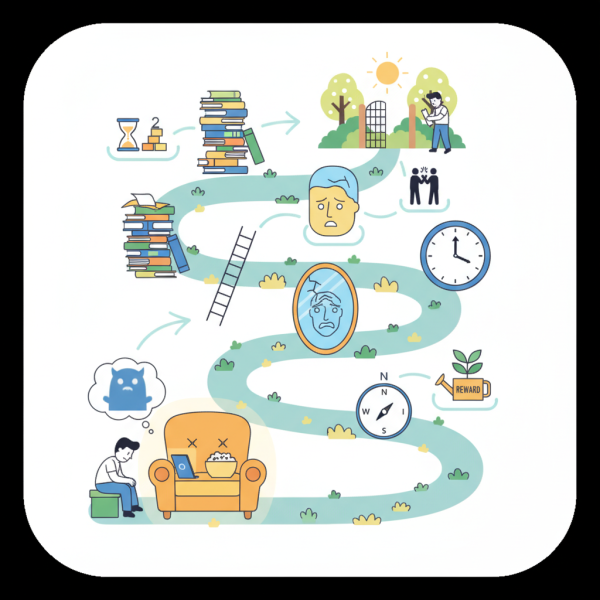
Once you understand the 'why,' it is time to implement the 'how.' Here are practical tactics designed to break the procrastination cycle and foster consistent action.
- The Two-Minute Rule: If a task takes less than two minutes to complete, do it immediately. This simple rule, popularized by David Allen, helps build momentum and prevent small tasks from piling up and becoming overwhelming. Responding to an email or tidying a desk often falls into this category.
- Break Down Large Tasks: Deconstruct daunting projects into smaller, more manageable sub-tasks. Instead of "Write research paper," think "Outline introduction," "Find three sources," "Write first paragraph." This makes the task seem less overwhelming and provides clear, achievable starting points.
- Prioritize Effectively: Not all tasks are created equal. Use a prioritization method like the Eisenhower Matrix (Urgent/Important) to determine which tasks demand immediate attention and which can be scheduled or delegated. Focus on high-impact tasks first.
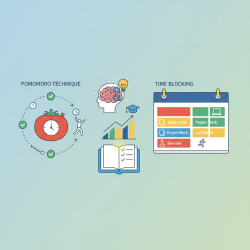
- Implement Time Blocking or the Pomodoro Technique: Dedicate specific blocks of time in your schedule for focused work on particular tasks. The Pomodoro Technique, involving 25-minute work intervals followed by short breaks, can be particularly effective for maintaining concentration and preventing burnout.
- Eliminate Distractions: Create an environment conducive to focus. Turn off notifications, close unnecessary tabs, and consider using website blockers during dedicated work periods. A tidy and organized workspace can also reduce mental clutter.
- Establish a Reward System: Motivate yourself by planning small, enjoyable rewards for completing tasks. This positive reinforcement can make unpleasant tasks more palatable. Just ensure the reward doesn't become another form of procrastination.
- Find Accountability: Share your goals with a friend, colleague, or mentor. Knowing someone is expecting an update can provide the extra push needed to start and complete tasks. Consider joining a study group or productivity accountability group.
- Practice Self-Compassion: When you inevitably fall back into old habits, avoid harsh self-criticism. Recognize that procrastination is a common struggle. Learn from the setback, adjust your strategy, and move forward without dwelling on perceived failures. Self-compassion fosters resilience.
- Visualize Success: Spend a few moments visualizing yourself successfully completing the task and enjoying the positive outcomes. This can build positive associations and increase motivation, helping to overcome initial resistance.
Cultivating Consistent Action and Long-Term Habits
Overcoming procrastination is not a one-time fix but an ongoing process of habit formation and self-management. The key lies in consistency, not perfection. Embrace small, incremental changes rather than aiming for an immediate overhaul of your entire routine. Each small victory reinforces positive behaviors and builds confidence.
Regularly review your progress and strategies. What worked well? What didn't? Be flexible and willing to adapt your approach as you learn more about your unique work style and triggers. Understand that setbacks are a natural part of any behavior change; they are opportunities to refine your methods, not reasons to give up. By persistently applying these strategies and fostering a mindset of continuous improvement, you can gradually transform your relationship with tasks and develop a proactive, productive lifestyle.
Summary
In conclusion, conquering procrastination requires a dual approach: understanding its psychological roots and implementing practical, actionable strategies. We explored common reasons for delaying tasks, such as fear, perfectionism, and lack of motivation, emphasizing the importance of identifying personal triggers. The article then outlined effective tactics like the two-minute rule, task breakdown, prioritization, time blocking, and creating an optimal work environment. Finally, it underscored the significance of consistency, self-compassion, and continuous adjustment in cultivating long-term habits for a more productive and less stressful life, ultimately empowering individuals to move from intention to action with greater ease.
Comprehension questions
 What are some common psychological roots of procrastination discussed in the article?How does the article suggest breaking down large tasks to make them less daunting?What role does self-compassion play in overcoming the cycle of procrastination?
Community Poll
Next Lesson

Course Contents : College Studies and Building Effective Habits
- >> 3.
 Conquering Procrastination for Consistent Action